


Digital marketing specialists are the architects behind the world’s most memorable online campaigns, innovative branding strategies, and data-powered social media movements. Their day-to-day job is all about building brands, growing audiences, and delivering measurable business results in a digital-first world. As more businesses invest in digital transformation, demand for skilled professionals is surging—a trend reflected in both job opportunities and salary growth worldwide.
Let’s dive into what the digital marketing specialist role entails, the skills you’ll need, and exactly how you can build a successful future in this booming sector.
What Does a Digital Marketing Specialist Really Do?
A digital marketing specialist is a multi-skilled professional responsible for conceptualizing, executing, analyzing, and optimizing digital campaigns across various platforms. Unlike traditional marketers who might focus on print or TV ads, you’ll use sophisticated analytics and cutting-edge tools to reach targeted audiences online—delivering messages at exactly the right moment.
Core Responsibilities
- Strategy Development: Plan and map out cross-channel digital campaigns—aligning with company goals and customer journeys.
- Execution: Oversee campaign rollouts on platforms like Google, Facebook, LinkedIn, email, and more.
- Analytics: Monitor performance in real time, using platforms like Google Analytics 4, Looker Studio, or HubSpot to gather actionable insights.
- Optimization: Continuously tweak campaigns for higher ROI. This includes A/B testing, retargeting, and refining ad creative and audience segments.
- Collaboration: Work closely with content creators, designers, developers, and sales teams to ensure unified messaging and goal alignment.
- Reporting: Present campaign KPIs (Key Performance Indicators) and ROI (Return on Investment) to stakeholders in clear, actionable reports.
Your Daily Schedule (Sample)
Digital marketing is anything but repetitive—expect each day to look different. Here’s a snapshot:
- Morning: Analyze previous day’s campaign metrics, adjust bidding and targeting as needed.
- Midday: Attend strategy huddle with the content or sales team.
- Afternoon: Draft and schedule social media posts or design a new landing page.
- Late Day: Run A/B tests, respond to trends in real-time (e.g., boost posts that are taking off).
- End of Day: Update management on campaign status using dashboards and reports.
If you want to see how top pros organize their workflow, check out the HubSpot Blog’s campaign management best practices.
The Move to Omnichannel Campaigns
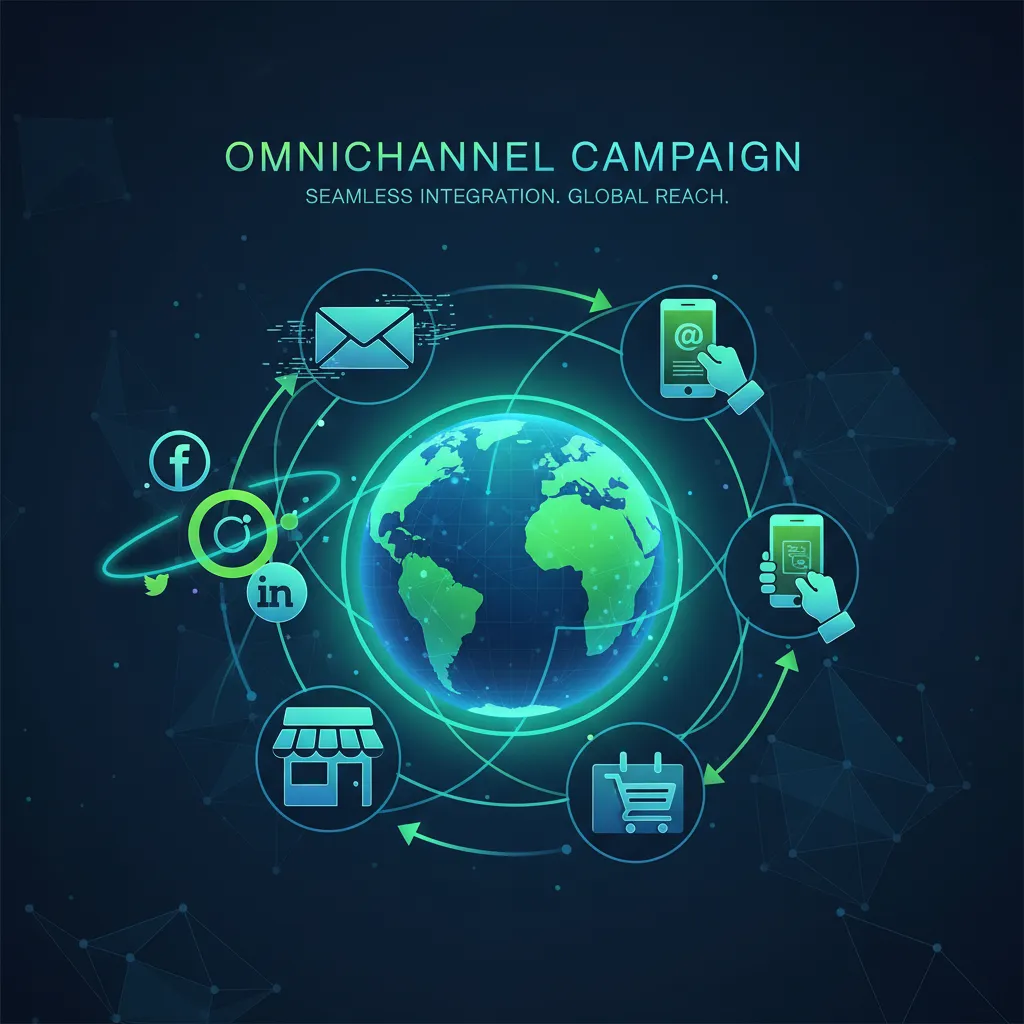
Modern consumers rarely stay on a single channel. They click on Facebook ads, explore blogs, sign up for newsletters, and research products all at once. This creates the need for a truly omnichannel marketing approach.
As a digital marketing specialist, your job is to:
- Ensure brand voice stays consistent, no matter where customers engage.
- Map seamless user journeys from discovery (e.g., Instagram) to conversion (your e-commerce site or lead form).
- Track and attribute conversions correctly, even as users switch between devices.
A well-integrated omnichannel strategy leverages tools like customer data platforms (CDPs) and CRM systems to unify data and create a connected user experience.
Key Skills Every Digital Marketer Needs (and How to Master Them)
Success in the digital world requires a fusion of technical prowess and people skills. Here’s a breakdown of the most critical abilities and how you can acquire them:
1. Technical Skills
Search Engine Optimization (SEO):
Learn how to research keywords, master on-page SEO—including title tags, meta descriptions, structured data, and schema—and build white-hat backlinks. Dive into competitor research and keep up with Google’s ever-changing algorithm by reading thought leaders like Moz and Semrush.
PPC Management:
Understand Google Ads, Meta Ads, and LinkedIn Campaigns. Develop expertise in setting budgets, choosing keywords, writing high-converting ad copy, and minimizing cost-per-click (CPC). Run experiments using A/B tests on landing pages.
Email Marketing:
Create and automate personalized, segmented email campaigns that nurture leads and retain customers. Use tools like Mailchimp, HubSpot, or Brevo. Monitor open rates, CTR, and segment performance.
Data Analytics:
Interpret data in Google Analytics, Looker Studio, or Tableau. Track metrics like conversion rate, average order value, and funnel drop-off points. Use UTM tagging and set up custom dashboards.
Web Development Basics:
You don’t need to code full websites, but you should know HTML, CSS, and the fundamentals of WordPress or Shopify. This empowers you to make quick site optimizations and collaborate better with technical teammates.
Social Media Advertising:
Master ad formats (carousel, stories, reels), placement strategies, audience targeting, and platform trends (Facebook, Instagram, TikTok, LinkedIn, X/Twitter).
2. Soft Skills
- Creativity: Develop unique campaigns and brand stories that capture attention in a crowded market.
- Critical Thinking: Analyze what’s working (and what’s not), adjust quickly, and avoid vanity metrics.
- Communication: Share insights and present data in simple, compelling ways to non-marketers.
- Collaboration: Coordinate with copywriters, graphic designers, product teams, and executives.
- Project Management: Juggle multiple campaigns and priorities—often with shifting deadlines.
Must-Have Tools for Digital Marketers
To deliver world-class results, you’ll regularly use advanced software. Here are industry standards:
Analytics/Tracking
- Google Analytics 4: Deep insight into website and conversion behavior.
- Google Tag Manager: Easily manage conversion tracking and retargeting codes across your site.
- Looker Studio: Create interactive dashboards for reporting to your team or leadership.
SEO Research
- Ahrefs: Backlink analysis, competitor research, and keyword tracking.
- Semrush: Site audits, PPC research, and content gap analysis.
- Moz Pro: Algorithm updates, keyword explorers, and on-page optimization.
Campaign Execution
- Hootsuite / Buffer / Sprout Social: Schedule posts, monitor engagement, and track ROI for multiple channels.
- HubSpot: CRM, email automation, drag-and-drop landing pages, and pipeline analytics (see the HubSpot CRM Setup guide for getting started).
- Mailchimp/Brevo: Email list management, campaign automation, drag-and-drop email builders.
- Salesforce: Customer journeys, advanced CRM automation, and integration with business workflows.
Design
- Canva: Easy graphics for blogs, ads, and social.
- Adobe Creative Cloud: Advanced visuals, video, and animations.
- CapCut: Trending for quick, professional video edits.
Website CMS
- WordPress: The industry standard for flexibility and SEO.
- Shopify: Best for e-commerce, with powerful integrations.
- Squarespace/Wix: Drag-and-drop options for quick deployment.
Keeping your toolkit up-to-date—and learning the critical features of each—will make you faster, more effective, and more competitive.
Building a Winning Content Marketing Strategy
As a digital marketing specialist, you’ll often be responsible for developing and executing a holistic content strategy. Here’s a step-by-step approach:
- Audience Research: Develop personas using insights from Google Analytics, surveys, and customer interviews.
- Topic Selection: Use tools like Semrush or Answer the Public to discover trending topics and content gaps.
- Content Creation: Produce blog posts, videos, infographics, and interactive assets tailored to each stage of your customer journey—consider partnering with influencers or UGC creators for authentic reach.
- Distribution: Leverage SEO, email, and paid media to maximize reach.
- Performance Analysis: Set benchmarks (CTR, dwell time, bounce rate) and review results monthly. Iterate.
Generalist vs. Specialist: Which Path Should You Take?
Should you aim to be a marketing “jack-of-all-trades” or a deep specialist in a single channel? Here’s a head-to-head comparison:
|
Feature |
Digital Marketing Generalist |
Channel Specialist (e.g., SEO Expert) |
|---|---|---|
|
Scope |
Social, ads, email, content |
One main area (SEO, PPC, social ads) |
|
Best Fit |
Startups, agencies |
Enterprise or large agencies |
|
Skill Depth |
Broad, flexible |
Deep expertise, more technical |
|
Salary Ceiling |
High for leaders/managers |
Highest for top technical talent |
|
Growth |
Easier lateral moves |
Big brand/agency recognition |
A key tip: Early in your career, generalists often have more opportunity. As you progress, specializing (e.g., technical SEO, paid media, analytics) can dramatically boost your portfolio and earning potential.
Salary Expectations and Career Growth
Compensation varies widely based on location, experience, and specialization. In the US, entry-level roles often start at $45,000 – $55,000 (Glassdoor), with experienced specialists earning $80,000–$120,000. Top managers and directors in major markets can exceed $150,000+.
Specialists in high-demand channels (SEO, SEM, email automation, conversion rate optimization) or with big-brand or agency experience typically command higher salaries. To maximize earning potential:
- Earn industry-recognized certifications (Google, Meta, HubSpot)
- Build a robust portfolio of real-world results
- Seek mentorship and network with industry leaders
- Stay up-to-date with new platforms, like TikTok and AI marketing tools
For detailed data, visit authoritative salary resources like the US Bureau of Labor Statistics and Glassdoor’s digital marketing salary guide.
Real-World Example: From Blog Post to Viral Campaign
Let’s look at a campaign for a fictional home fitness app:
- Initial Challenge: Low awareness, mediocre paid conversion.
- Strategy: Combined SEO-optimized blog content (“10 Home Workouts for Small Spaces”) with targeted Facebook Ads and segmented emails offering a free trial.
- Execution: Used Google Analytics to track post engagement + A/B tested two landing pages. Social campaigns drove traffic; site retargeting converted browsers to signups.
- Outcome: Blog post ranked in the top 3 on Google for “small space home workout,” Facebook ads achieved 35% lower CPC vs. industry avg., email open rates topped 32%.
- Wrap-up: Management received a custom Looker Studio report breaking campaign ROI and learned how omnichannel synergy delivered a 200% return.
Common Mistakes to Avoid in Digital Marketing
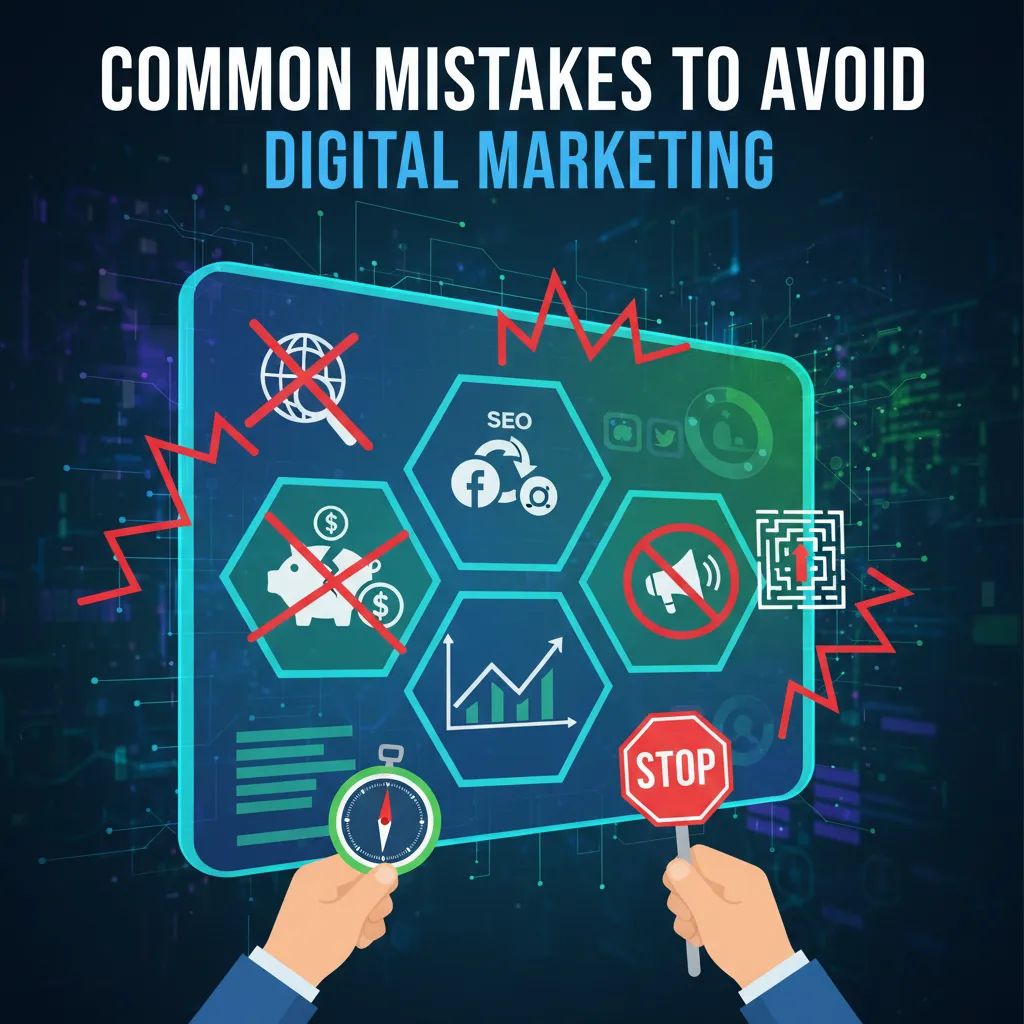
Even seasoned marketers fall into common traps. Here’s what to watch for and how to avoid repeating them:
- Chasing every channel: Focus on what delivers real results for your brand or client. Don’t spread yourself too thin.
- Neglecting mobile-first design: Over half of web traffic now comes from mobile. Ensure all assets are responsive.
- Forgetting to track conversions: Always set up end-to-end analytics, including goals, events, funnel analysis, and attribution. Otherwise, you’re guessing—not optimizing.
- Ignoring audience feedback: Successful marketers listen to comments, respond to DMs, and iterate based on real customer conversations.
- Relying on vanity metrics: Pageviews are nice, but revenue, conversion, and customer lifetime value matter more.
Pro Tips and Expert Insights
Gain an edge with these hands-on tactics and secret weapons from leading marketers:
- Certify Your Skills: Industry certifications (Google/Meta/HubSpot) increase your credibility and open doors. Most are free or low-cost.
- Portfolio Power: Launch a side project or case-study blog. Document results—before/after analytics, campaign screenshots, campaign objectives, and outcomes.
- Continuous Learning: Follow top blogs such as HubSpot, Moz, and Digital Marketing Institute. Listen to podcasts and join LinkedIn groups.
- Experiment With AI Tools: Use ChatGPT, Jasper, or Canva Magic Write to speed up ideation and content creation. Stay ahead as automation reshapes digital marketing.
- Network: Attend webinars, join Slack channels, and build relationships. Sometimes a referral or conversation leads to your next job.
Internal Link Cluster: Expand Your Digital Marketing Expertise
Explore these topics for an even deeper dive:
- Search Engine Optimization Best Practices
- Content Marketing Strategy Essentials
- Brand Development Strategy
- HubSpot CRM Setup Guide
- Email Marketing Automation Techniques
Each of these resources offers actionable insights and step-by-step tutorials to help you master both foundational and advanced marketing concepts.
Embracing a Data-Driven Mindset

The most effective digital marketing specialists are relentless about measurement. Every campaign, piece of content, and customer interaction should tie back to metrics that matter for the business: conversions, cost per acquisition, and customer lifetime value. Bring data to every meeting—transparency ensures you earn executive trust and budget support.
If your company hasn’t embraced a data-driven culture yet, be the one to champion it. Introduce new dashboards, run experiment frameworks, and show leadership how optimization translates to real revenue.
Conclusion
The digital marketing specialist role uniquely combines creativity, analytics, and technology. As businesses elevate their online presence, these skills are critical for winning—and keeping—modern customers. Whether you become a well-rounded generalist or a highly sought-after expert, remember: learning never stops, experimentation brings breakthroughs, and credibility is built on data-driven results.
Start your journey as a digital marketing specialist today and claim your seat at the forefront of the modern business world.
Frequently Asked Questions (FAQs)
1. What does a digital marketing specialist actually do each day?
Day-to-day, you’ll plan and execute campaigns, monitor analytics, test new ad formats, coordinate with creatives, and report results. Expect your work to range from writing social copy to presenting findings to management.
2. Do I need a college degree to become a digital marketing specialist?
No, many experts are self-taught or have transitioned from unrelated fields using online courses, certifications, and project-based portfolios. However, degrees in marketing, communications, or business can provide a head start.
3. What is the single most important skill for this job?
Strong analytical ability. Reading data, spotting trends, and iterating based on what the metrics reveal are what turn a good campaign into a high-converting one.
4. How much could I expect to earn?
Entry-level digital marketing specialists typically earn $45,000–$55,000. Senior or specialized roles can make $80,000–$120,000, while managers at major companies or agencies often earn $150,000 or more.
5. Is programming required?
No, but basic HTML/CSS and understanding how web pages work is very helpful—especially for tasks like SEO optimization, updating landing pages, or troubleshooting tracking pixels.
6. How do I build a portfolio from scratch?
Launch your own blog, help a nonprofit, offer to manage paid ads for a friend’s business, or create case studies from side projects. Track and write up your processes and results.
7. What’s the difference between digital marketing SEO and SEM?
SEO is organic website optimization for search engines, while SEM (Search Engine Marketing) refers to paid channels (like Google Ads). Top-performing digital marketers know how to integrate both.
8. How long does it take to get good at digital marketing?
You can get job-ready in 6–12 months with focused study and hands-on experience. Real mastery (cross-channel, strategy, and analytics) takes several years of continual learning.
9. What is a KPI?
Key Performance Indicators are quantifiable metrics used to measure campaign or business success (e.g., conversion rate, net new leads, revenue from email).
10. Is artificial intelligence going to “replace” the digital marketing specialist?
No—AI automates many tasks (data analysis, keyword research, content suggestions), but human empathy, strategy, and creative thinking are irreplaceable. Marketers who harness AI’s power will outpace those who don’t.





Comments (1)
What Is a Website Layout? 12 Types & Design Best Practicessays:
August 30, 2026 at 8:56 am[…] professionals ask What Is a Website Layout?, they are often asking how to best guide a user through a digital journey. Good layout design minimizes cognitive load. By effectively structuring the page, a […]