

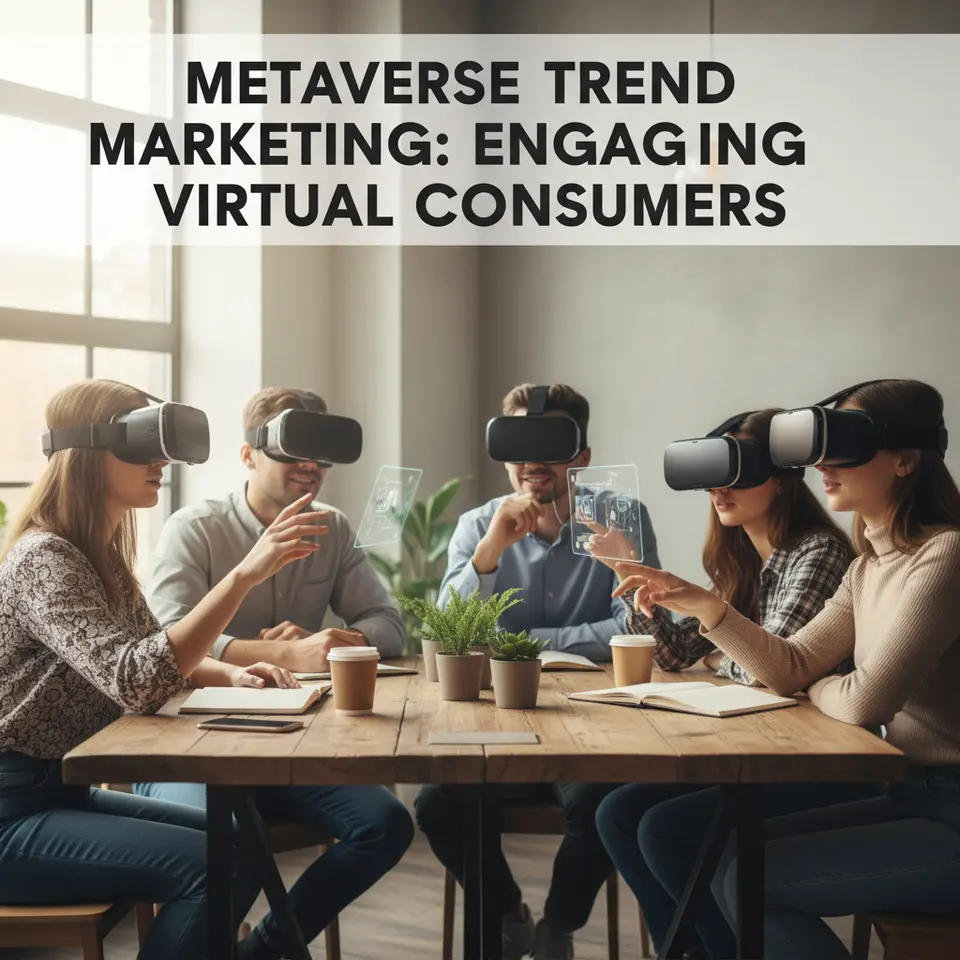
Metaverse trend marketing creates immersive virtual experiences using VR, AR, and interactive technologies, helping brands boost engagement, build communities, increase personalization, and generate innovative digital revenue opportunities.
In today’s digital landscape, Metaverse trend marketing has emerged as a pioneering approach for organizations seeking to forge immersive and interactive connections with consumers. As we navigate this year, virtual and augmented reality technologies are no longer simply on the horizon—they are integral to how audiences engage, socialize, and transact. By leveraging simulated 3D environments, marketers can design dynamic brand worlds that invite visitors to explore, interact, and share experiences in real time. This shift towards fully immersive experiences represents a significant evolution beyond static banners, traditional video ads, or social posts, allowing brands to build emotional resonance and community involvement on an entirely new level.
With major technology firms and startups alike investing heavily in metaverse platforms, operators are empowered to host virtual showrooms, interactive events, and gamified campaigns tailored to their audience’s preferences. Whether it’s a virtual product launch that draws thousands of global attendees or an avatar‐based try‐on experience that gamifies shopping, the possibilities are as varied as they are impactful. Throughout this article, we will delve into the core components of Metaverse trend marketing, examine why brands are rapidly embracing this channel, and outline practical strategies for designing successful campaigns. By the end, you’ll have a clear roadmap for launching or expanding your brand’s presence in the metaverse, allowing you to lead the market rather than follow the competition.
Defining Metaverse Trend Marketing
At its foundation, Metaverse trend marketing taps into virtual, augmented, and mixed reality technologies to build dynamic brand ecosystems within interactive 3D digital spaces. Unlike conventional digital channels that rely on passive content consumption—such as banner ads or social media posts—this cutting‐edge approach invites consumers to step inside immersive brand worlds where they can actively explore products, socialize with other participants, and engage with curated narratives. By uniting real‐world commerce with simulated environments, marketers unlock unprecedented opportunities to foster emotional connections, increase dwell time, and generate granular, real‐time insights into user behavior.
Three distinct reality layers drive these experiences:
- Virtual Reality (VR): Users don head‐mounted displays to enter fully digital environments, providing total immersion. VR showrooms can replicate physical retail spaces or unveil entirely novel architectures, allowing customers to inspect and interact with products in ways not possible through a screen.
- Augmented Reality (AR): Through smartphone cameras or AR glasses, digital elements overlay the real world. AR try‐on features let shoppers visualize how furniture would look in their living room or see how cosmetics appear on their own face before making a purchase.
- Mixed Reality (MR): This hybrid model blends virtual and real‐world elements, enabling interactions between physical objects and digital content. Brands can leverage MR to create interactive product demonstrations that respond to real‐time user input.
Virtual Showrooms and Retail Spaces
Within VR or MR settings, customers can navigate 3D retail floors, customize product options, and test variations in real time. This immersive shopping journey mirrors the appeal of brick‐and‐mortar stores, enhanced by digital flexibility and global accessibility.
Avatar‐Centric Engagement
Consumers curate their digital personas with avatars that can don branded attire, accessories, or digital collectibles. This fosters a personal connection as individuals express identity and loyalty through branded virtual goods.
Live and On‐Demand Events
Hosting concerts, panels, or product launches inside metaverse platforms circumvents traditional venue limitations. Brands can invite participants globally, offer exclusive behind‐the‐scenes footage, and release limited‐edition virtual NFTs to attendees.
Gamified Interactions
Interactive quests, scavenger hunts, and point‐based reward systems incentivize exploration and repeat engagement. Participants earn virtual or physical rewards, driving community growth and word‐of‐mouth referrals.
To understand the impact of immersive scenarios, research from the Stanford Virtual Human Interaction Lab indicates that these environments yield up to three times higher memory retention and brand affinity compared to flat digital ads. By mastering these foundational elements, brands can establish a robust Metaverse trend marketing strategy that captivates audiences and drives measurable results.
In practice, luxury fashion houses are designing seasonal runway shows accessible via VR headsets, with virtual shopping sprees following each appearance. Automotive manufacturers are deploying AR‐enabled showrooms to allow users to explore car interiors at a 1:1 scale and simulate test drives on digital tracks. Travel and hospitality brands offer interactive resort tours, pairing live guides with 360‐degree experiences. Even educational institutions are experimenting with virtual classrooms and training simulations, demonstrating how versatile this marketing approach can be across industries.
Benefits Driving Brands to the Metaverse
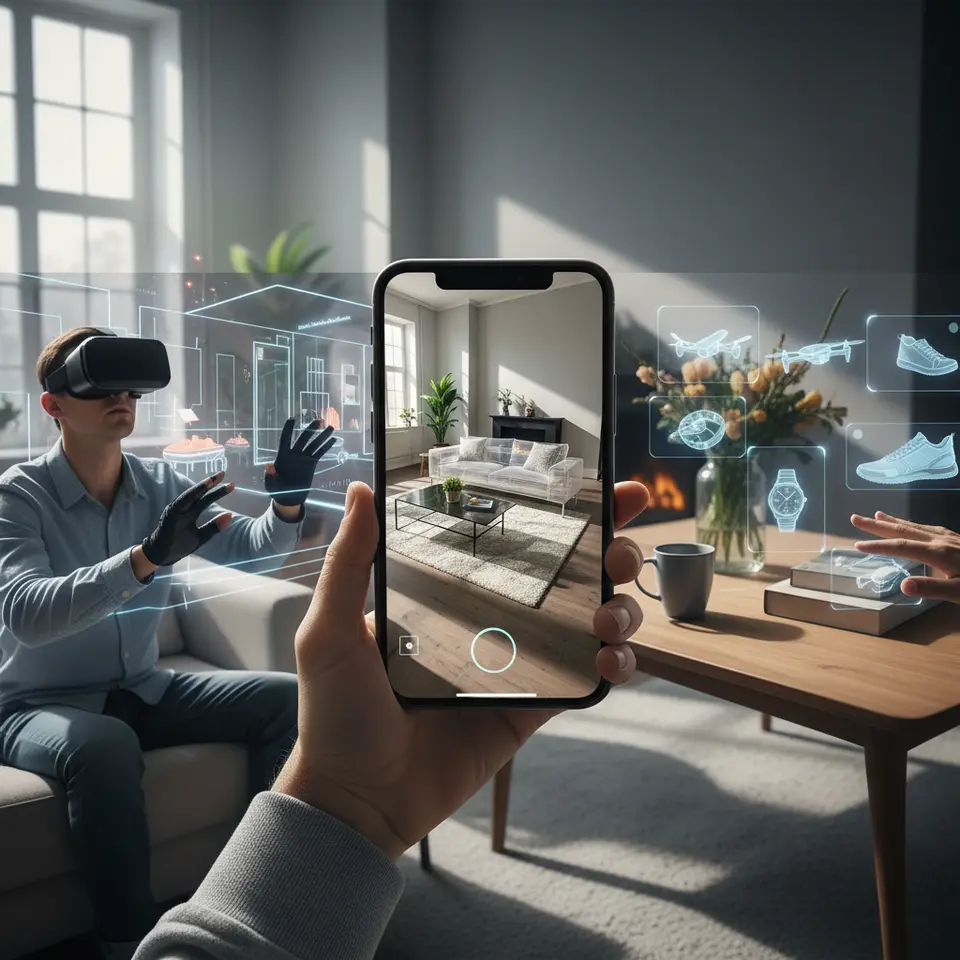
As the Metaverse trend marketing continues to gain momentum, brands recognize the potential to achieve significant advantages over traditional digital tactics. We explore how immersive environments deliver value across four key dimensions.
Enhanced Engagement and Brand Recall
In today’s crowded online ecosystem, capturing consumer attention demands immersive, interactive content. Metaverse environments engage multiple senses, creating memorable narratives that encourage users to stay engaged for extended periods. Research shows that participants in VR settings are more likely to recall brand messages and share experiences with peers, amplifying organic reach and reinforcing brand recall.
Amplified Social Interaction
Virtual worlds provide social hubs where consumers can meet friends, influencers, and brand ambassadors in real time. By enabling live chat, gestures, and collaborative activities, brands can foster authentic connections and peer‐to‐peer recommendations. This communal aspect transforms marketing from a one‐way broadcast into a co‐created journey that deepens emotional resonance.
Rich Data Insights and Personalization
Embedded analytics in metaverse platforms capture a wealth of data—from navigation heat maps to interaction dwell times and item customization trends. These insights enable marketers to tailor experiences on the fly, delivering personalized content, offers, and guided tours based on individual preferences. Data‐driven refinement ensures that Metaverse trend marketing campaigns become progressively more relevant and effective.
New Revenue Streams
Beyond conventional sales, immersive platforms unlock diverse monetization paths. Brands can sell virtual goods—such as limited‐edition NFTs, digital clothing, and collectible skins—as well as offer premium event access. These digital assets often perform in secondary markets, generating additional brand exposure and creating a cycle of scarcity‐driven demand. In this way, Metaverse trend marketing becomes not only a tool for engagement but also a robust revenue generator.
By leveraging these benefits, companies can elevate their marketing initiatives, forge deeper relationships with audiences, and position themselves at the forefront of digital innovation.
Essential Platforms and Experience Design
Choosing the Right Virtual World
With a variety of metaverse platforms available today, selecting the ideal environment for your campaign is critical. Platforms like Decentraland, The Sandbox, Horizon Worlds, and VRChat each cater to distinct audiences and offer varying levels of customization:
- Decentraland features a decentralized, user‐owned economy ideal for brands that want full property control and NFT‐based commerce.
- The Sandbox emphasizes user‐generated content and voxel‐based design, making it accessible for creative communities.
- Horizon Worlds focuses on social interaction and seamless integration with existing social networks, appealing to users seeking low‐friction experiences.
- VRChat provides highly customizable avatars and worlds, popular among niche communities and hobbyists who value creativity.
Evaluate each option by considering factors such as active user demographics, brand‐aligned aesthetics, and the platform’s commerce capabilities. Identify where your target audience already spends time and choose an environment that aligns with your marketing objectives.
Interactive Features and Community Activation

Interactivity and Gamification
Interactive touchpoints are the heartbeat of the Metaverse trend marketing. Incorporate features that invite participation and reward exploration:
- Virtual Try‐Ons: Implement AR‐powered fitting rooms for apparel, accessories, and cosmetics so users can see products on their avatars or real selves.
- Collectibles and NFTs: Offer limited‐edition digital items that users can collect, trade, or showcase in their own spaces. Scarcity and exclusivity enhance perceived value.
- Mini‐Games: Develop short challenges, puzzles, or time‐based events that reward players with tokens, exclusive content, or discount codes for real‐world purchases.
By gamifying elements of the experience, brands keep audiences engaged and encourage repeat visits as users strive to earn more rewards.
Building Community Engagement
Community is the cornerstone of sustained success in the metaverse. To foster a vibrant ecosystem:
- Scheduled Events: Host AMAs, live performances, or tutorials at regular intervals to give users a reason to return and invite friends.
- Influencer Collaborations: Partner with metaverse creators and digital influencers who align with your brand values. Their endorsement can drive credibility and attract new participants.
- User‐Generated Content: Encourage attendees to create and share their own content—screenshots, videos, artwork—celebrating your brand experience. User stories create authentic promotion.
Nurturing a sense of belonging and ownership motivates users to advocate for the brand, amplifying reach organically through word-of-mouth.
Measuring Impact and Future Considerations

Quantifying the success of Metaverse trend marketing campaigns is essential for continuous improvement. Key performance indicators to track include:
- Unique Visitors: The total number of distinct users who enter your virtual environment.
- Average Session Duration: How long users stay engaged within your space.
- Conversion Rates: Percentage of visitors who take desired actions, such as purchasing digital or physical products.
- Social Shares and Referrals: Volume of user-generated posts, screenshots, and invitations sent to others.
- In-World Transactions: Sales of virtual goods, NFTs, and premium access passes.
Analyze these metrics to identify areas for optimization. Adjust narrative pacing, interactivity levels, and reward structures based on user feedback and behavior patterns.
Looking ahead in today’s evolving digital landscape, hardware costs are becoming more accessible, and interoperability standards are maturing, enabling seamless movement of assets across platforms. Brands that embrace the Metaverse trend marketing now can build durable digital assets and communities, ensuring they remain at the forefront of consumer engagement strategies. By adopting an iterative approach—learning from real-time insights, refining concepts, and scaling successful initiatives—organizations can future-proof their marketing efforts and lead in this burgeoning frontier.
Conclusion
Metaverse trend marketing represents a transformative shift in how brands connect with audiences, offering immersive, interactive environments that transcend traditional advertising. By defining clear objectives, choosing the right platform, designing cohesive worlds, integrating gamified features, and nurturing a community, marketers can craft experiences that resonate deeply and drive measurable outcomes. As we progress through this year, the brands that invest in these virtual realms will not only capture attention but also foster lasting loyalty by meeting consumers where they spend their time and imagination. Embrace the metaverse today, and position your brand at the leading edge of digital innovation.
FAQs
What is Metaverse trend marketing?
Metaverse trend marketing uses virtual, augmented, and mixed reality technologies to create immersive brand experiences where users interact with products, events, and digital environments in real time.
Why are brands investing in metaverse marketing?
Brands invest in metaverse marketing to increase engagement, improve brand recall, create immersive customer experiences, and build stronger digital communities through interactive virtual environments.
Which industries benefit from the Metaverse trend marketing?
Industries including fashion, gaming, retail, automotive, travel, education, entertainment, and real estate benefit greatly from immersive metaverse experiences.
What platforms are popular for metaverse marketing?
Popular platforms include Decentraland, The Sandbox, Horizon Worlds, Roblox, and VRChat, each offering unique features and audience demographics.
How does gamification improve metaverse campaigns?
Gamification increases user interaction through challenges, rewards, collectibles, and mini-games, encouraging repeat visits and deeper audience engagement.
What role do NFTs play in metaverse marketing?
NFTs provide exclusive digital ownership opportunities, allowing brands to sell collectible virtual items, reward loyal users, and create new revenue streams.
How can brands measure metaverse campaign success?
Brands can track metrics such as visitor count, session duration, engagement rate, conversion rate, social sharing, and virtual product sales.
Is Metaverse trend marketing suitable for small businesses?
Yes, small businesses can use metaverse platforms for virtual events, interactive product showcases, and community-building without requiring massive budgets.
What challenges exist in metaverse marketing?
Common challenges include high development costs, evolving technology standards, user accessibility, privacy concerns, and maintaining long-term engagement.
What is the future of Metaverse trend marketing?
The future includes advanced AI personalization, better VR hardware, cross-platform interoperability, immersive commerce, and increasingly realistic digital experiences.






Leave a Reply