


In today’s digital landscape, consumer conversations emerge and evolve at unprecedented speed. Brands that rely on outdated tactics risk falling behind as new interests surface across social channels, forums, and emerging platforms.
This year, organizations are increasingly turning to proactive trend marketing to gain an edge: a disciplined method that uses social listening and real-time insights to identify budding topics, forecast shifts in audience sentiment, and launch timely, tailored campaigns before trends reach peak popularity.
Rather than responding after a hashtag goes viral or a meme captures mass attention, proactive trend marketing empowers teams to detect subtle signals early, shape narratives strategically, and build authentic connections with communities. By embedding social listening tools into cross-functional workflows and coupling them with agile creative processes, marketers can move from chasing fleeting moments to orchestrating high-impact activations that foster sustained engagement and measurable growth. In this comprehensive guide, we explore the principles, tools, and best practices for mastering proactive trend marketing, featuring expert frameworks, actionable tactics, and real-world examples to inspire your next breakthrough.
Understanding the Foundations of Proactive Trend Marketing
Proactive trend marketing is about foresight, not hindsight. Instead of scrambling to piggyback on trending topics, your team builds a forward-looking approach that continually scans social chatter and niche spaces for early indicators of emerging cultural movements. This mindset transforms your brand from a reactive participant into an influential trendsetter, with the ability to frame conversations and define category standards.
Key Principles
First, timing matters. Monitoring social streams in real time allows you to spot volume increases in relevant keywords or hashtags long before they spike across broader audiences. Next, strategic alignment ensures that each trend you activate on truly resonates with your brand values—avoiding opportunistic or dissonant messaging. Finally, authenticity underpins sustainable engagement: by contributing genuine insights or creative interpretations, you build trust rather than temporary attention.
Reactive vs. Proactive Approaches
- Timing: Reactive efforts capitalize after virality, while proactive initiatives spring into action at the earliest signal.
- Integration: Reactive campaigns often stand alone; proactive trend marketing is woven into long-term brand roadmaps.
- Longevity: Short-lived spikes are traded for sustained dialogues that cultivate community and loyalty.
By grounding your marketing strategy in anticipation rather than reaction, you safeguard your brand against missed opportunities and position it to lead conversations on its own terms.
Leveraging Social Listening Tools for Early Insights
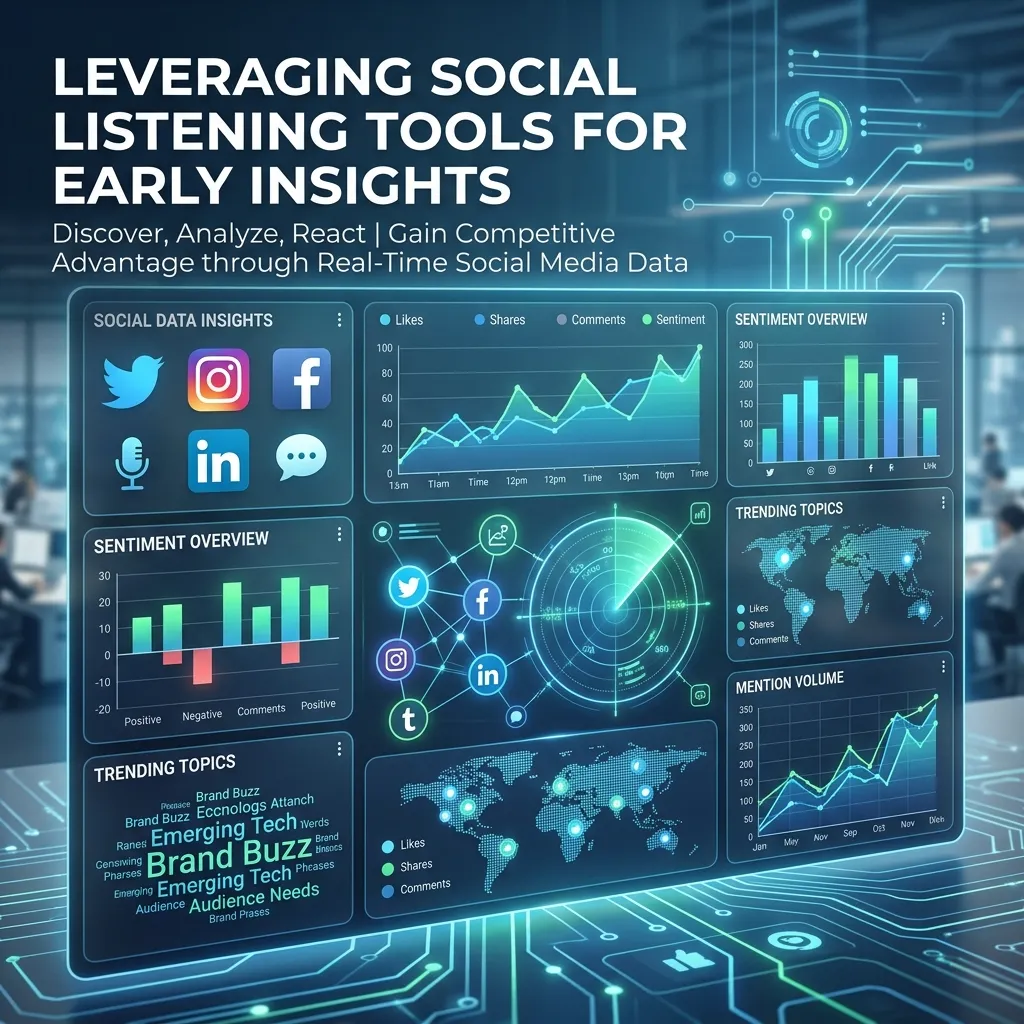
At the heart of proactive trend marketing lies the ability to listen—across platforms, languages, and communities. Social listening tools automate the process of gathering public data from a multitude of channels, surfacing patterns in volume, sentiment, and emerging topics.
Essential Features
- Data Coverage: Verify that your solution tracks mainstream social networks alongside niche forums and local-language sources.
- Real-Time Alerts: Set custom triggers for sudden spikes in keyword mentions or shifts in sentiment polarity.
- AI-Powered Analysis: Leverage natural language processing to classify posts by theme, mood, or intent.
- Integration Capabilities: Choose platforms with open APIs to sync insights with CRM systems, BI dashboards, and workflow tools.
Top Platforms to Consider
Several industry-leading solutions stand out for their comprehensive coverage and advanced analytics. When evaluating vendors, compare offerings from Brandwatch, Talkwalker, Sprinklr, Meltwater, and others based on pricing, geographic scope, and ease of integration. For a deeper dive into social media adoption and listening trends, consult research from the Pew Research Center.
By choosing a platform that aligns with your technical ecosystem and business goals, you establish a reliable foundation for identifying nascent conversations and translating data into actionable insights.
Collecting and Enriching Data for Actionable Trends
An effective proactive trend marketing strategy blends both structured and unstructured data to create a holistic view of audience behaviors and preferences. The quality of your insights depends heavily on the depth and diversity of your data sources.
Primary Data Sources
- Social Mentions: Track hashtags, keywords, mentions, and geotags across platforms like Twitter, Instagram, TikTok, and Reddit.
- User-Generated Content (UGC): Analyze comments, reviews, and shared stories on brand-owned channels to uncover organic sentiment.
- Community Forums: Consult subreddits, specialized groups, and emerging discussion boards for early adopter perspectives.
- Search Behavior: Use Google Trends to spot rising queries, and YouTube autocomplete to gauge topic interest.
- E-Commerce Indicators: Monitor cart abandonment rates, product reviews, and wish list activity on your site.
Data Enrichment Techniques
- API Ingestion: Automate data pulls from social networks, web analytics tools, and proprietary platforms.
- Web Scraping: Deploy custom crawlers for forums and comment sections where formal APIs are unavailable.
- Third-Party Append: Enhance raw data by adding demographic, geographic, and psychographic attributes via specialized providers.
- Human-in-the-Loop: Perform manual validation or annotation to ensure contextual nuances—like sarcasm—aren’t misclassified.
By combining technical automation with selective human oversight, you safeguard the integrity of your trend signals and build confidence in the insights that inform your campaigns.
Applying AI for Real-Time Analysis and Forecasting

With streams of data flowing in, artificial intelligence becomes a powerful ally in filtering noise, detecting patterns, and forecasting the trajectory of emerging trends. Incorporating AI frameworks accelerates decision-making and sharpens the accuracy of your proactive trend marketing efforts.
Core AI Capabilities
- Sentiment Analysis: Use natural language processing models to gauge positive, negative, or neutral attitudes toward topics or brand mentions.
- Topic Modeling: Apply clustering algorithms to uncover hidden themes within large text corpora, separating core issues from peripheral chatter.
- Anomaly Detection: Identify unexpected spikes or drops in conversation volume that signal opportunities or emerging crises.
- Predictive Forecasting: Build machine learning models that project the potential growth curve of a topic—estimating whether it will fizzle out or gain momentum.
Implementing AI Solutions
When evaluating AI vendors, look to established research institutions for benchmarks and best practices. For instance, the Computer Science and Artificial Intelligence Laboratory at MIT publishes open-source tools and papers on NLP techniques that can guide your implementation roadmap. Integrate AI outputs into your analytics dashboards, and ensure that model predictions are continuously retrained with fresh data to maintain relevance.
By embedding AI into your data pipeline, you unlock the ability to make faster, more confident decisions—crucial for staying ahead of rapidly shifting online conversations.
Transforming Insights into Impactful Campaigns
Collecting and analyzing trend data is only half the battle. The true power of proactive trend marketing emerges when you convert those insights into nimble, high-impact activations. Execution speed, cross-functional collaboration, and a culture of experimentation are key to bringing your data-driven ideas to life.
Rapid Response Framework
- Cross-Functional Team: Assemble social media managers, creative strategists, product leads, and paid media specialists into a dedicated rapid response unit.
- 30-Minute Ideation Sprints: Upon trend detection, convene quick brainstorms to generate multiple campaign angles aligned with your brand voice.
- Snackable Content: Develop short videos, GIFs, polls, or meme formats that match the tone of the emerging conversation.
- A/B Testing: Pilot variations of copy, visuals, and calls to action on small audience segments to identify the most resonant approach.
- Amplification: Deploy on owned channels first, then scale reach via paid ads and strategic influencer collaborations.
Personalization and Targeting
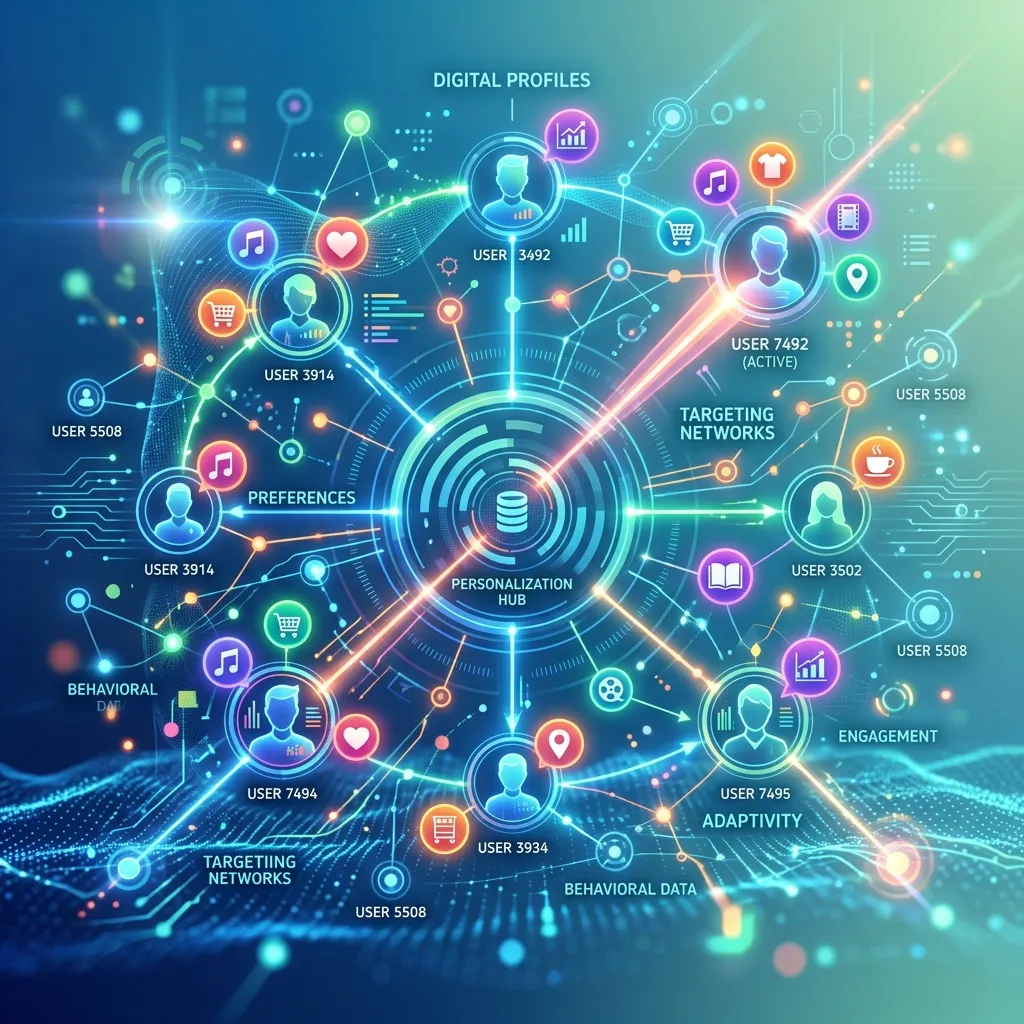
Personalize messaging by segmenting audiences based on behaviors, demographics, and psychographics revealed through your social listening insights. For example, if eco-conscious Gen Z communities are discussing sustainable packaging, tailor dynamic creative ads that highlight your green initiatives and incorporate user testimonials. Leverage behavioral retargeting to serve trend-related content to users who have already interacted with similar topics, and use geo-targeting to localize messaging for regional or cultural nuances.
In today’s competitive environment, relevance is everything. By combining real-time trend insights with precise targeting and dynamic creative optimization, you ensure that each audience receives messages that truly resonate.
Conclusion
Proactive trend marketing represents a paradigm shift: moving from chasing viral moments to shaping them. By integrating comprehensive social listening, robust data enrichment, AI-driven analysis, and agile execution frameworks, brands can anticipate audience needs, craft timely narratives, and deliver highly personalized experiences that drive sustainable engagement. In today’s digital landscape, this year belongs to those who listen first and act fast. Embrace the proactive approach now, and transform your organization into a true trendsetting powerhouse.
FAQs
What is proactive trend marketing?
Proactive trend marketing is a strategy that helps brands identify emerging trends before they become mainstream. It uses social listening, audience insights, and real-time analytics to create timely campaigns that connect with consumers early in the trend cycle.
Why is proactive trend marketing important?
Proactive trend marketing is important because online conversations move faster than ever across social media and digital platforms. Brands that recognize trends early can increase visibility, improve engagement, and stay ahead of competitors.
How does social listening help with trend marketing?
Social listening helps brands monitor online conversations, hashtags, mentions, and customer sentiment across platforms like Instagram, TikTok, X, Reddit, and LinkedIn. This allows marketers to identify trending topics and audience interests in real time.
Which tools are best for proactive trend marketing?
Several tools support proactive trend marketing, including Brandwatch, Talkwalker, Sprinklr, Meltwater, BuzzSumo, and Google Trends. These platforms provide real-time monitoring, sentiment analysis, and audience behavior insights.
How does AI improve trend forecasting?
AI improves trend forecasting by analyzing large amounts of social and behavioral data quickly. Machine learning models can detect patterns, identify emerging topics, and predict whether a trend is likely to grow or decline.
What is the difference between reactive and proactive trend marketing?
Reactive trend marketing responds after a topic becomes popular, while proactive trend marketing identifies opportunities early and creates campaigns before trends reach peak visibility.
How can brands identify trends before competitors?
Brands can identify trends early by monitoring social media discussions, tracking keyword spikes, analyzing search trends, following niche communities, and using AI-powered analytics tools to detect changes in audience behavior.
Why is audience segmentation important in trend marketing?
Audience segmentation helps marketers deliver more personalized and relevant content based on demographics, interests, and online behaviors. This improves engagement and increases the effectiveness of campaigns.
How can businesses use trend marketing on social media?
Businesses can use trend marketing on social media by creating timely content, participating in viral conversations, collaborating with influencers, and sharing engaging videos, polls, or graphics related to emerging trends.
What are the benefits of proactive trend marketing?
Proactive trend marketing helps increase brand awareness, improve audience engagement, strengthen customer relationships, and boost marketing ROI by allowing brands to act before competitors.
How can brands avoid looking inauthentic when following trends?
Brands should focus on trends that align naturally with their values, audience interests, and industry niche. Authentic participation and meaningful content help maintain trust and credibility.
What metrics should marketers track in proactive trend marketing?
Marketers should monitor engagement rates, sentiment analysis, reach, impressions, click-through rates, conversions, and share of voice to evaluate the success of trend marketing campaigns.
Can small businesses benefit from proactive trend marketing?
Small businesses can benefit greatly from proactive trend marketing because it allows them to react quickly, target niche audiences, and compete with larger brands using creative and timely campaigns.
How does predictive analytics support trend marketing?
Predictive analytics helps marketers forecast audience behavior and determine whether a trend is likely to grow or fade. This enables smarter campaign planning and faster strategic decisions.
Which industries benefit most from proactive trend marketing?
Industries such as fashion, technology, healthcare, beauty, travel, entertainment, and e-commerce benefit significantly from proactive trend marketing because consumer interests and digital conversations change rapidly in these sectors.





Leave a Reply