


Today’s digital marketplace thrives on genuine engagement, and Gen Z influencers lead this transformation. Born between 1997 and 2026, these creators wield remarkable sway over consumer decisions, cultural trends, and emerging online communities.
In today’s digital landscape, their preference for authenticity, social responsibility, and interactive storytelling sets new standards for brand communication. As traditional advertising yields diminishing returns, organizations pivot toward influencer partnerships to tap into these highly engaged audiences. Working with Gen Z influencers allows brands to craft messages that resonate on a personal level, fostering trust and loyalty from a generation that values transparency above all else.
Currently, brands that integrate Gen Z voices into product development, marketing campaigns, and community-building initiatives report heightened awareness and increased conversions. By embracing co-creation models, businesses showcase commitment to shared values, whether sustainability, diversity, or social impact. This article examines how to identify credible Gen Z ambassadors, develop authentic collaborations, design compelling short-form content, amplify reach strategically, and measure real-time performance. Drawing insights from industry research, including studies by Pew Research Center and institutional best practices from Stanford University, this guide offers actionable tactics for marketers looking to elevate their influencer strategies this year. Let’s explore how to harness the power of Gen Z influencers for sustainable growth.
Understanding Gen Z Values and Behaviors
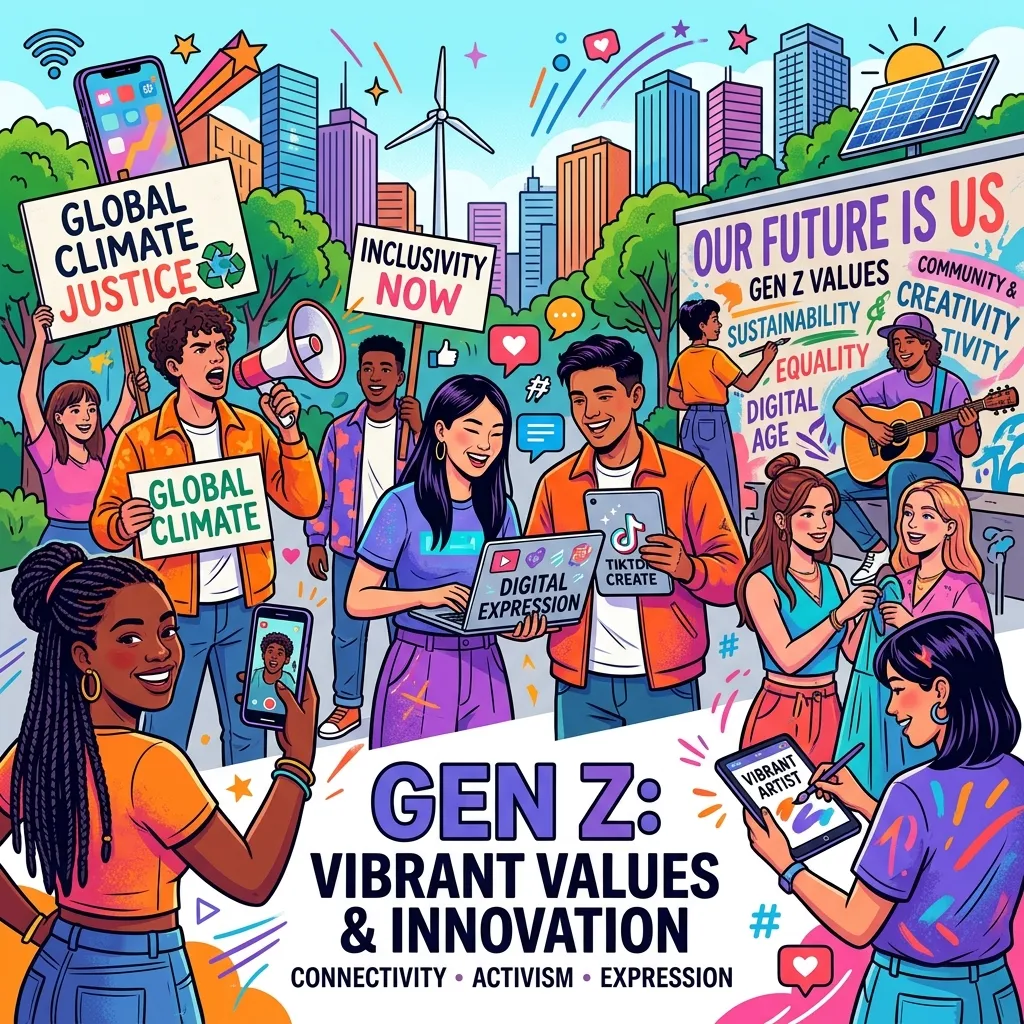
In today’s digital landscape, Gen Z represents a generation of conscious consumers who prioritize authenticity and meaningful engagement over polished perfection. Research indicates that these individuals spend extensive time verifying product claims, reading peer reviews, and seeking social proof before committing to purchases. Their digital fluency translates into an expectation that brands must be transparent, inclusive, and accountable.
Central to Gen Z’s mindset is a desire for representation and purpose-driven initiatives. According to studies conducted by the Pew Research Center, inclusivity ranks among the top decision factors when evaluating new products. They gravitate towards brands that demonstrate tangible commitments to environmental sustainability, social justice, and ethical sourcing. Consequently, Gen Z influencers who openly discuss personal values and champion causes tend to resonate more powerfully with their followers than those who solely focus on lifestyle or entertainment content.
Gen Z’s digital environment emphasizes unfiltered storytelling and peer-driven recommendations. Short behind-the-scenes clips, day-in-the-life narratives, and user-generated testimonials foster trust by revealing the human element behind a brand. In contrast, overly staged or scripted messaging can feel disingenuous, leading to audience disengagement. When vetting potential collaborators, marketers should assess not only follower counts but also comment sentiment, video completion rates, and the authenticity of engagements. Key metrics like average watch time and audience retention provide real-time insight into how well content aligns with community expectations.
Furthermore, this cohort values two-way communication. They expect brands and influencers to respond to questions, engage in meaningful dialogue, and adapt messaging based on feedback. Interactive features such as live Q&A sessions, polls, and community challenges empower Gen Z audiences to co-create experiences, reinforcing a sense of ownership and brand affinity. By understanding these fundamental preferences, marketers can design partnerships that honor Gen Z’s unique relationship to digital content and leverage the persuasive power of credible voices.
Another defining trait of Gen Z behavior is their mobile-first orientation. They access digital platforms primarily through smartphones, favoring applications that deliver seamless experiences and rapid-loading content. Short-form videos on platforms like TikTok and Instagram Reels have become cornerstones of daily media consumption, making them prime channels for collaborations with Gen Z influencers. Marketers who underestimate the importance of mobile optimization risk losing relevance with this mobile-savvy audience.
Gen Z also shows a strong affinity for micro-communities — tight-knit groups bound by shared interests, whether that be gaming, sustainable living, or niche hobbies. Influencers with highly engaged, topic-specific followings often generate more meaningful conversations and deeper brand loyalty than those with broader but shallow reach. This dynamic underscores the value of working with micro-influencers, whose endorsements can drive up to three times higher engagement rates compared to mass-reach creators.
Finally, Gen Z’s appreciation for social responsibility and innovation shapes their expectations for brand partnerships. They are drawn to tech-driven experiences such as augmented reality try-ons or interactive shopping features, valuing brands that blend creativity with ethical principles. By aligning with Gen Z influencers who exemplify these qualities, companies can tap into an audience eager to champion brands that reflect their ideals. Through a nuanced understanding of these values and behaviors, marketers can build robust strategies that amplify authentic voices and foster genuine connections.
Identifying the Right Gen Z Influencers

Establishing clear objectives is the first step in selecting effective Gen Z ambassadors. Whether the aim is to boost brand visibility, drive product trials, or nurture online communities, each goal demands a tailored approach to influencer discovery. Marketers should begin by mapping out key performance indicators (KPIs)—such as engagement rates, referral traffic, or user-generated content volume—to guide their search and evaluation process.
Social listening tools play a pivotal role in uncovering emerging talent and trending conversations. Platforms like Brandwatch and Sprout Social allow brands to track hashtags, sentiment shifts, and audience demographics in real time. By monitoring relevant keywords and competitor mentions, teams can identify creators whose content aligns with brand values and resonates authentically with target audiences. Additionally, insights from demographic analytics help ensure that chosen talents reach the desired geographic regions, age groups, and interest-based communities.
Contrary to common assumptions, larger followings do not always equate to superior campaign outcomes. Micro-influencers—those with follower counts between 10,000 and 100,000—often deliver higher engagement rates and more relevant interactions within niche communities. These creators cultivate strong rapport with their audiences, resulting in trust-driven advocacy. Nano-influencers, with audiences smaller than 10,000, can also provide hyper-targeted engagement, especially when promoting specialized products or localized initiatives.
When evaluating potential partners, teams should scrutinize metrics beyond surface-level vanity statistics. Engagement ratio, comment authenticity, and content consistency reveal deeper insights into an influencer’s credibility. Examining past collaborations offers clues about their professional conduct, creativity, and audience response. Moreover, a review of comment threads can uncover recurring questions or pain points that the influencer addresses, shedding light on their role as a trusted advisor within their community.
Contractual transparency is essential when finalizing partnerships with Gen Z influencers. Clearly outline deliverables, deadlines, and permissible messaging, while allowing room for creative input. Compensation packages may combine flat fees, performance bonuses tied to sales or click-through rates, affiliate commissions, or in-kind product gifting. Regardless of the model chosen, prompt payments and fair treatment foster long-term relationships and encourage repeat collaborations. By following these guidelines, brands can assemble a roster of Gen Z influencers who not only drive measurable results but also embody the genuine spirit that motivates this generation.
Building Authentic Collaborations
Authenticity forms the cornerstone of any successful partnership with Gen Z influencers. This generation values genuine expression and creative freedom, which demands that brands relinquish some control in favor of shared ideation. Instead of prescribing rigid scripts, involve influencers early in the campaign planning process. Invite them to brainstorming sessions, product tastings, or virtual roundtables so they can internalize brand messaging and contribute personal insights.
Co-creation not only empowers influencers but also leads to more innovative and relatable content. Allow creators to shape campaign angles, select storytelling formats, and adapt product features to fit their unique style. For instance, a beauty brand might collaborate with a makeup artist influencer to design a bespoke eyeshadow palette, whereas a fitness apparel line could work with an athlete to refine fabric and fit preferences. This collaborative approach yields products and narratives that resonate more deeply with Gen Z audiences.
To maintain alignment and compliance, brands should establish clear guidelines detailing legal requirements—such as disclosure of sponsored content—and brand voice parameters. However, avoid overregulating every word and visual choice. Striking a balance between structure and freedom encourages influencers to weave brand messages seamlessly into authentic storytelling, which leads to higher engagement and better performance.
Compensation strategies for Gen Z influencers should be transparent and flexible. A mix of base fees and performance-based rewards aligns incentives, motivating influencers to promote enthusiastically. Affiliate programs and trackable discount codes can provide ongoing passive income for creators, while product gifting demonstrates goodwill and brand appreciation. Ensure that payment terms are clear and that invoicing processes are streamlined to avoid delays. Timely compensation reflects professionalism and fosters goodwill—essential for cultivating long-term brand advocates.
Lastly, building sustainable relationships requires continuous support and open communication. Solicit feedback post-campaign to understand what worked and where improvements are needed. Celebrate mutual successes by featuring influencers in case studies, press releases, or brand newsletters. By investing in the development and satisfaction of your partners, brands reinforce loyalty and position themselves as preferred collaborators among Gen Z influencers. Such enduring alliances not only drive immediate campaign outcomes but also set the stage for sustained brand advocacy.
Designing Engaging Content Formats
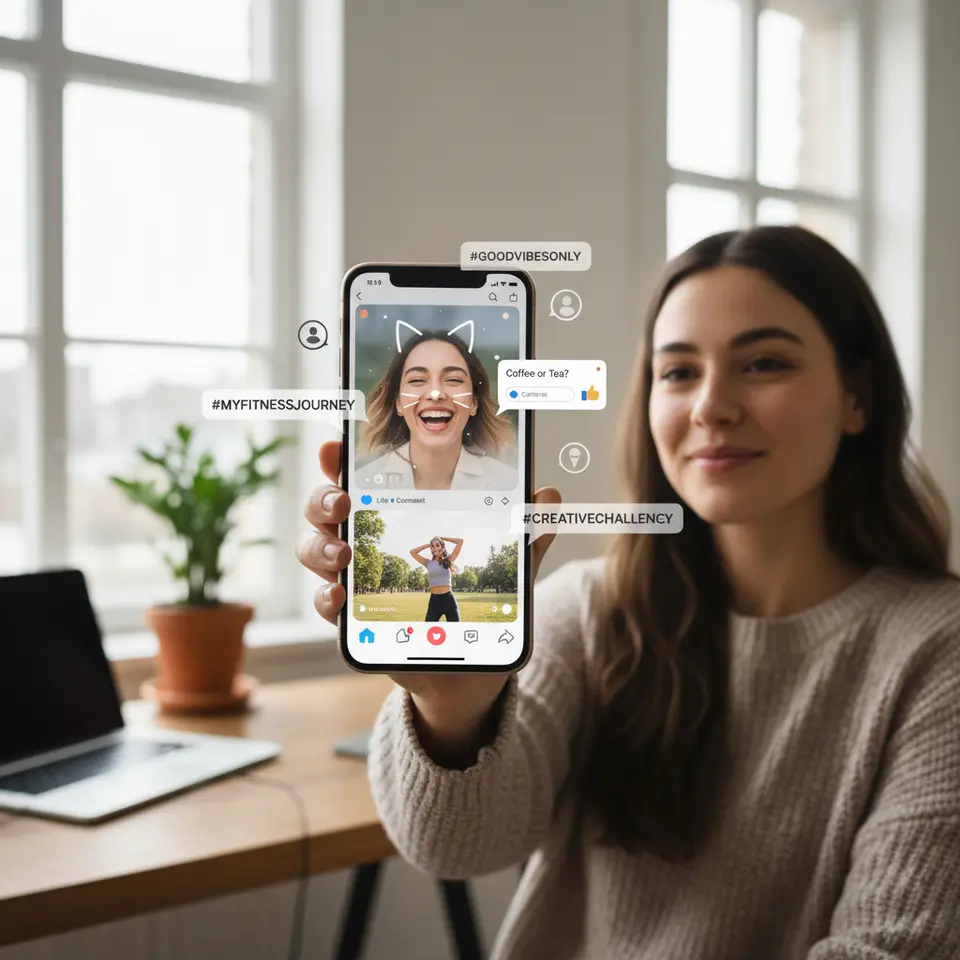
With their mobile-first habits and short attention spans, Gen Z audiences gravitate toward dynamic, bite-sized media experiences. Short-form videos—ranging from 15 to 60 seconds—dominate platforms like TikTok, Instagram Reels, and YouTube Shorts. Collaborating with Gen Z influencers to produce compelling clips can significantly increase brand recall, especially when content leverages storytelling techniques that spark curiosity within the first few seconds.
Challenges and trend-driven content formats also appeal strongly to this demographic. Influencers can initiate branded challenges—such as creative styling duels or dance routines—that encourage participation and UGC (user-generated content). When followers replicate these challenges, they generate authentic endorsements that amplify reach organically. Incorporating branded hashtags and clear calls to action ensures that campaign activity is trackable and that user contributions remain organized under a unified theme.
Interactive features elevate audience engagement by allowing real-time dialogue. Live streams, Q&A sessions, and interactive polls invite followers to participate in product launches or behind-the-scenes tours. These formats foster two-way connections: viewers can ask questions, share feedback, and vote on upcoming product variations. Brands that integrate such elements with Gen Z influencers demonstrate a commitment to transparency and community involvement, reinforcing audience trust.
Beyond video, visual storytelling through carousel posts, infographics, and animated GIFs can cater to platforms where static imagery remains popular. Instagram and Pinterest boards allow influencers to craft mood collections, style guides, or thematic galleries that showcase products in context. Embedding these visuals within blog posts, email campaigns, or social ads can repurpose high-performing assets across multiple channels, extending campaign longevity.
Finally, experiential activations such as AR filters, virtual try-ons, and gamified quizzes merge entertainment with seamless shopping experiences. Partnering with tech-savvy Gen Z influencers to co-develop augmented reality lenses or interactive filters not only delights followers but also offers valuable first-party data. By analyzing usage patterns—like filter completion rates and click-through actions—marketers can refine experiences in real time, ensuring high levels of participation and positive sentiment.
Scaling and Amplifying Campaign Visibility
Launching compelling content represents just the first step in an influencer-driven strategy. To maximize impact, brands must implement amplification tactics that sustain momentum and broaden reach. Paid social advertising can reinforce organic posts by pushing them into curated feeds of similar audiences. By creating lookalike audiences based on engaged followers of your Gen Z influencer partners, brands ensure that sponsored posts reach users with aligned interests.
Repurposing top-performing content across diverse channels enhances efficiency and preserves consistency. Videos produced for TikTok can be embedded into emailed newsletters, featured on website landing pages, and repackaged as ads on Facebook or Snapchat. Carousel posts that demonstrate product benefits can transition into blog visuals or PDF guides. This cross-channel strategy ensures message cohesion while maximizing the return on creative investments.
Strategic collaboration with multiple micro-influencers can produce a cascading “wave” effect that saturates niche communities. Rather than relying solely on a single high-profile creator, brands can orchestrate simultaneous launches with a cohort of niche ambassadors. When followers across these micro-communities witness aligned messaging, the cumulative buzz can prompt viral traction and peer-to-peer sharing.
Leveraging influencer-driven user-generated content (UGC) extends campaign reach organically. Encourage followers to tag your brand or use a dedicated hashtag when posting their own experiences. Highlight standout UGC on your brand’s official channels to validate community contributions and incentivize further participation. This reciprocal recognition reinforces brand loyalty and fuels ongoing engagement cycles.
Finally, integrating performance analytics into amplification tactics ensures continual optimization. Track engagement spikes, click-through rates, and conversion funnels associated with both organic and paid placements. Use these insights to reallocate budget toward high-performing ads, adjust creative elements that resonate most, and refine targeting parameters. By seamlessly blending influencer creativity with robust distribution strategies, brands can achieve scalable visibility and sustained impact in today’s competitive digital landscape.
Conclusion
Working with Gen Z influencers offers brands a powerful avenue to connect with a savvy, socially conscious generation that values authenticity, interactivity, and meaningful brand participation. By first understanding the core values and online behaviors of Gen Z, marketers can identify and collaborate with creators whose personal ethos aligns with brand identity. Co-creation drives more genuine storytelling, while flexible content formats—such as short-form videos, live streams, and AR experiences—cater directly to mobile-first preferences.
Scaling these partnerships through paid ads, lookalike audiences, and cross-channel repurposing amplifies reach and reinforces core messaging. Leveraging the collective power of micro-influencers and championing user-generated content fosters peer-driven advocacy that sustains long-term engagement. Real-time analytics enable brands to measure sentiment, optimize tactics, and demonstrate clear ROI.
In today’s digital marketplace, investing in transparent, value-driven collaborations with Gen Z influencers represents more than a marketing trend—it is a strategic imperative for brands aiming to remain relevant and influential. By adhering to best practices in selection, partnership, content design, and amplification, organizations can build resilient, impactful campaigns that resonate with this generation now and into the future.






Leave a Reply