


Trend marketing lets brands spot and leverage emerging trends to engage audiences, boost loyalty, and drive revenue. Success requires fast action, brand alignment, validation, and agile, multi-channel campaigns.
In an ever-accelerating market, brands that master trend marketing enjoy a decisive competitive edge. By identifying and acting upon emerging cultural, technological, and consumer trends, forward-thinking businesses can craft campaigns that resonate deeply—driving engagement, loyalty, and revenue growth. This comprehensive guide will walk you through a proven, step-by-step approach to spotting trends before they peak, validating their fit for your brand, and deploying powerful marketing tactics that keep you one step ahead and beyond.
Why Trend Marketing Matters More Than Ever
Today’s digital ecosystem is flooded with content, product launches, and competing messages. Static strategies no longer cut through the noise. Instead, consumers crave relevance—brands that show they’re in touch with cultural moments earn attention and trust. Trend marketing bridges the gap between real-time insights and brand storytelling, enabling you to pivot rapidly and tap into conversations that already captivate your audience.
Building Your Trend Radar: Tools & Techniques

Successful trend marketing hinges on early detection. Equip your team with these powerful tools:
- Google Trends: Monitor search volume spikes for keywords related to your industry.
- Social Listening Platforms (e.g., Brandwatch, Talkwalker): Track brand mentions, sentiment, and emerging hashtags in real time.
- Community Forums (Reddit, Quora, niche Facebook Groups): Discover grassroots discussions before they go mainstream.
- E-commerce Analytics: Identify product categories with sudden sales upticks on platforms like Amazon, Shopify, and Etsy.
- Industry Reports & Newsletters: Subscribe to trend-forecasting publications (WGSN, TrendWatching) and thought-leader newsletters for curated insights.
Trend Validation: Separating Hype from Opportunity
Not every viral buzz deserves your marketing budget. Validate a trend by asking these questions:
- Audience Alignment: Does this trend resonate with your core customers or a high-value potential segment?
- Longevity Potential: Is this a fleeting fad or a lasting shift in behavior? Look for underlying drivers like technology adoption or cultural change.
- Competitive Landscape: Are your rivals exploring this trend? Can you offer a unique twist or superior execution?
Crafting Trend-Driven Campaigns
Once you’ve pinpointed a validated trend, structure your campaign around these best practices:
- Storytelling with Context: Show why the trend matters now—use real-world examples, user testimonials, or breaking data points.
- Multi-Channel Activation: Coordinate content across social, email, paid ads, PR, and in-person experiences to maximize impact.
- User-Generated Content (UGC): Invite your audience to participate—host challenges or hashtag campaigns that amplify authenticity.
- Real-Time Optimization: Implement agile workflows to tweak creatives, messaging, or targeting based on early performance metrics.
Case Study: How Brand X Rode the Sustainable Fashion Wave
Brand X, a mid-sized apparel retailer, spotted rising consumer interest in eco-friendly clothing in Q1. Using social listening, they noticed a 250% increase in “recycled fabric” discussions among Gen Z. After validating the trend with sales data on sustainable product lines, they launched a #WearTheChange campaign featuring real customers modeling repurposed garments. By amplifying UGC and partnering with micro-influencers, Brand X saw a 35% lift in online revenue and earned coverage in leading fashion outlets—all within six weeks.
Measuring Success: KPIs That Matter
Track these key performance indicators to evaluate your trend marketing efforts:
- Engagement Rate (likes, shares, comments): Measures audience resonance.
- Conversion Rate (sign-ups, purchases): Links the trend to tangible action.
- Share of Voice: Your brand’s mentions vs. competitors during the trend period.
- Sentiment Analysis: Quality of conversations—positive, neutral, or negative.
- ROI: Revenue generated vs. total campaign investment.
Scaling Trend Marketing Across Your Organization

To institutionalize trend marketing, embed these practices into your company culture:
- Cross-Functional Trend Sprints: Host quarterly workshops where marketing, product, R&D, and customer success teams co-develop trend-inspired initiatives.
- Centralized Trend Dashboard: Maintain a live dashboard with top tracked trends, validation status, and current campaign metrics.
- Trend Champions: Appoint advocates in each department to surface insights and drive rapid prototyping.
Pitfalls to Avoid
Even seasoned marketers stumble when jumping on every buzz. Avoid these common mistakes:
- Chasing Fads Too Late: Delay erodes relevance. Act fast or skip it.
- Ignoring Brand Fit: A trend that doesn’t align with your values backfires.
- Overengineering Campaigns: Keep assets flexible to pivot messaging on the fly.
The Future of Trend Marketing
Advances in AI and predictive analytics are refining how brands anticipate cultural shifts. Imagine AI models that parse billions of social signals to surface micro-trends hours after they emerge. As personalization deepens, expect hyper-targeted trend campaigns that adapt content, creative, and offers in real time for each individual user. The brands that embrace these technologies early will own the next wave of consumer attention.
Trend-Driven Product Innovation

Trend marketing isn’t limited to campaigns and promotions—it can fundamentally shape how brands develop products that resonate with evolving consumer preferences. By closely monitoring emerging trends, businesses gain insights into shifting behaviors, desires, and unmet needs, allowing them to anticipate demand before competitors do. This proactive approach reduces the risk of failed product launches, strengthens brand relevance, and positions companies as innovators in their industries. To capitalize on trends, brands can adopt rapid prototyping, quickly creating and testing new products based on real-time insights, while integrating customer feedback loops such as surveys, beta tests, or social media polls to refine concepts before wide release. Limited edition launches or collaborative products tied to trending topics can generate excitement and urgency, driving both engagement and sales. When executed thoughtfully, trend-driven product innovation not only satisfies current market demands but also cultivates customer loyalty, establishes a brand as forward-thinking, and ensures that the company consistently stays ahead in a competitive landscape.
Influencer and Community-Led Trend Amplification
Influencers and engaged communities play a pivotal role in accelerating trends, often acting as the bridge between emerging cultural moments and mainstream adoption. Collaborating with influencers allows brands to amplify campaigns authentically, leveraging trusted voices to reach highly targeted audiences. Micro-influencers, in particular, often have deeply engaged followers whose purchasing decisions are influenced by their recommendations, providing a cost-effective and credible way to promote trend-driven initiatives. Beyond influencers, communities on platforms like Reddit, Discord, and Instagram offer insights into grassroots conversations and can help brands test ideas in real time, creating organic engagement and buzz. Encouraging user-generated content, hosting interactive challenges, or creating branded hashtags allows consumers to participate actively in campaigns, fostering a sense of ownership and community around your brand. By combining the power of influencer credibility with active community participation, brands can transform a fleeting trend into a movement, driving both visibility and meaningful customer engagement while establishing long-term trust and loyalty in their target market.
Post-Trend Analysis and Optimization
Successfully capitalizing on a trend doesn’t end when a campaign launches; post-trend analysis is critical to understanding performance, measuring impact, and informing future strategies. Evaluating both quantitative and qualitative metrics allows brands to determine what resonated with audiences, which channels delivered the highest engagement, and where adjustments could have improved results. Key performance indicators such as engagement rates, conversion rates, share of voice, sentiment analysis, and ROI provide a clear picture of a campaign’s success, while feedback from customers, influencers, and team members offers insights that numbers alone cannot reveal. Documenting lessons learned helps refine the timing, messaging, creative direction, and targeting for the next trend, creating a feedback loop that strengthens future marketing initiatives. By integrating post-trend optimization into the company’s workflow, brands remain agile, adaptive, and prepared to act on emerging opportunities, ensuring that trend marketing continues to deliver measurable value, reinforces brand credibility, and maintains a sustainable competitive advantage in fast-paced, ever-changing markets.
Global Trend Scouting and Localization
Trends don’t emerge uniformly; they often start in specific regions or subcultures before spreading globally. Brands that invest in global trend scouting gain early access to innovative ideas and can localize them for regional markets. Monitoring international social media, cultural events, fashion weeks, tech expos, and niche marketplaces allows businesses to spot trends before competitors. Once identified, trends should be adapted to fit local audience preferences, language, and cultural nuances, ensuring relevance while maintaining brand consistency.
Key Points:
- Track trends emerging in other countries or niche subcultures.
- Localize campaigns to reflect regional culture and consumer behavior.
- Use global insights to inspire innovative products or marketing tactics.
- Gain first-mover advantage in markets with untapped trends.
Sustainability and Purpose-Driven Trend Marketing
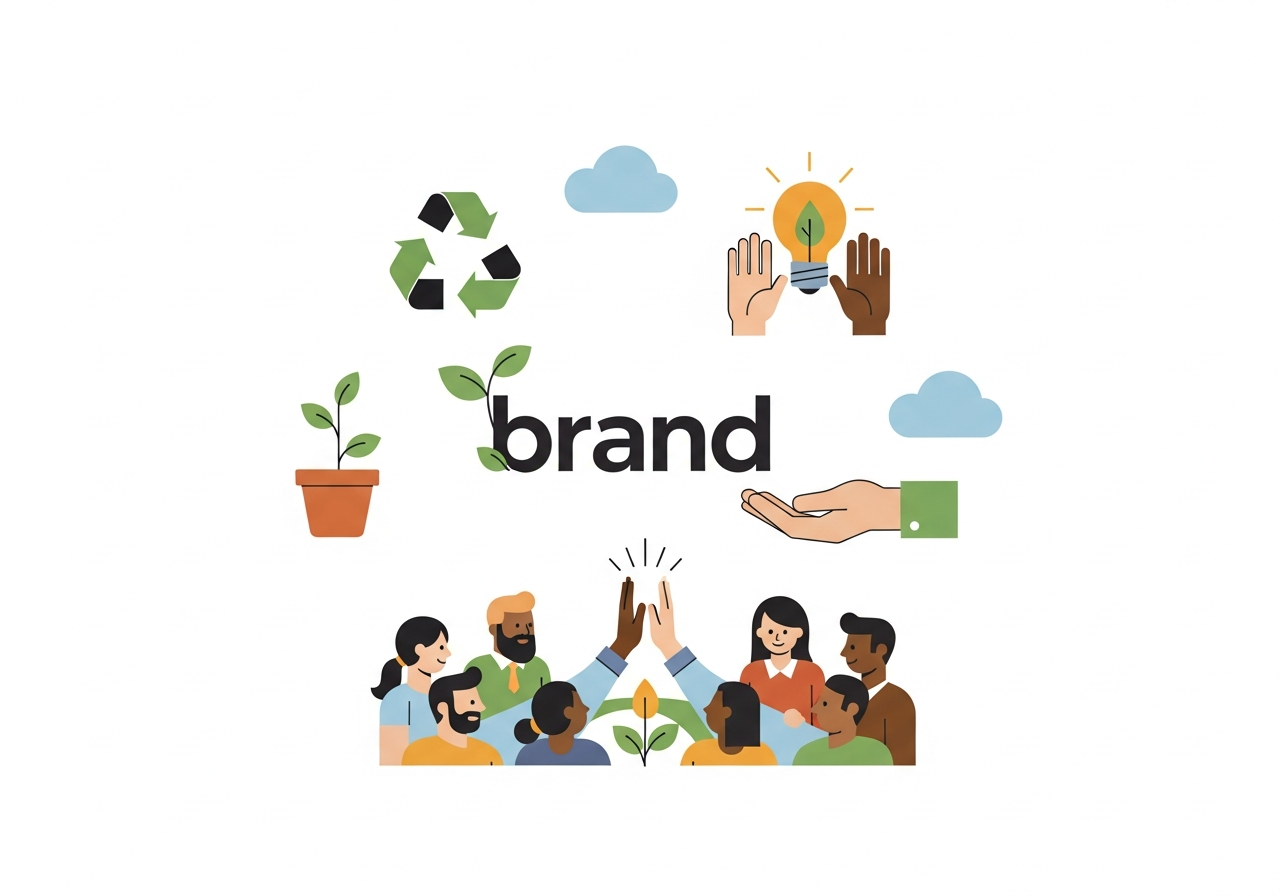
Consumers increasingly expect brands to act responsibly and reflect shared values. Integrating sustainability and social purpose into trend marketing creates deeper connections and enhances credibility. Trends related to eco-friendly products, ethical sourcing, inclusivity, or community impact resonate strongly when aligned with authentic brand values. Purpose-driven campaigns should communicate meaningful stories, highlight measurable impact, and involve customers in co-creating solutions. This approach not only drives engagement and loyalty but also strengthens long-term brand equity.
Key Points:
- Align trend campaigns with sustainability and social responsibility.
- Tell authentic stories that reflect real brand values.
- Engage audiences in purpose-driven initiatives or challenges.
- Build long-term loyalty and strengthen brand reputation.
Trend Marketing Technology Stack
Effectively managing trend marketing requires a robust technology stack that streamlines detection, analysis, and execution. Combining social listening tools, predictive analytics, AI-driven insights, and marketing automation platforms allows brands to move faster and make data-backed decisions. Dashboards that centralize trend tracking, campaign performance, and validation status improve collaboration across departments. Investing in technology not only enhances agility but also ensures consistency, efficiency, and the ability to scale trend-driven strategies across multiple channels and markets.
Key Points:
- Leverage AI and predictive analytics for trend spotting.
- Use marketing automation for multi-channel campaign execution.
- Centralize trend and campaign metrics on dashboards.
- Scale trend marketing efficiently and maintain organizational alignment.
Crisis-Proofing Your Trend Marketing
Trends are fast-moving and unpredictable, and not every initiative will land perfectly. Brands must build resilience into their trend marketing strategies to minimize risks and respond effectively if a campaign underperforms or receives backlash. Crisis-proofing involves scenario planning, clear internal approval workflows, and monitoring real-time feedback from audiences. It also means having flexible content and messaging ready to pivot or halt campaigns if needed. By preparing for potential missteps, brands maintain credibility, protect their reputation, and ensure that trend marketing efforts remain agile and safe.
Key Points:
- Develop contingency plans for each trend-based campaign.
- Monitor audience sentiment in real time to detect early warning signs.
- Keep messaging and creative assets flexible for quick adjustments.
- Train teams on crisis response to act decisively when needed.
- Maintain brand trust even during fast-moving campaigns.
Conclusion
Trend marketing isn’t a gimmick—it’s a strategic imperative in today’s fast-moving landscape. By equipping your team with the right tools, validation frameworks, and agile workflows, you can transform fleeting cultural moments into powerful brand accelerators. Start building your trend marketing engine now, and watch as your brand surges ahead of the competition, capturing hearts, minds, and market share in equal measure.
Ready to lead, not follow? Share your first trend marketing experiment in the comments below, and let’s spark the next big wave together!
FAQ: Trend Marketing
1. What is trend marketing?
Trend marketing is the practice of identifying and leveraging emerging cultural, consumer, or technological trends to create campaigns that resonate with your audience, boost engagement, and drive revenue.
2. Why is trend marketing important for brands?
In a fast-paced digital landscape, static strategies fail to capture attention. Trend marketing keeps your brand relevant, allows rapid response to cultural shifts, and strengthens customer loyalty.
3. How do I identify emerging trends?
Use tools such as Google Trends, social listening platforms, e-commerce analytics, niche forums, and industry reports. Observing spikes in conversations, search queries, and sales data can reveal promising trends early.
4. How can I validate a trend before using it in campaigns?
Ask these questions:
-
Does it align with your core audience?
-
Is it a lasting shift or a fleeting fad?
-
Can you offer a unique perspective compared to competitors?
5. Can trend marketing work for small businesses?
Absolutely. Trend marketing can be scaled for any size business. Small businesses can leverage social media, micro-influencers, and agile campaigns to compete with larger brands.
6. How do I measure the success of trend-driven campaigns?
Track engagement rates, conversion rates, share of voice, sentiment analysis, and ROI. Qualitative feedback from customers and influencers can also provide insights beyond numbers.
7. What role do influencers play in trend marketing?
Influencers help amplify trends authentically, providing credibility and targeted reach. Micro-influencers with highly engaged followers are especially effective for niche campaigns.
8. How do I avoid failing at trend marketing?
Avoid chasing trends too late, ignore those that don’t align with your brand values, and don’t overengineer campaigns. Stay agile, relevant, and audience-focused.
9. How can trend marketing influence product development?
By monitoring trends, brands can create products that meet emerging consumer needs, launch limited editions, and test concepts rapidly to ensure relevance and market fit.
10. Is trend marketing just a short-term tactic?
No. When executed strategically, it builds brand relevance, audience trust, and long-term loyalty. Post-trend analysis helps refine future campaigns, ensuring sustained impact.
Learn more about: How AI-Driven Trend Marketing is Shaping the Future of Brand Growth






Leave a Reply