


Predictive trend marketing leverages AI and data analytics to forecast emerging consumer behaviors. By anticipating trends, brands can craft proactive campaigns, optimize product launches, and drive engagement, ensuring they stay ahead in a fast-evolving market landscape.
In today’s fast-paced digital landscape, brands that anticipate market shifts gain a critical edge. Predictive trend marketing uses advanced data analytics and artificial intelligence to forecast emerging consumer behaviors before they hit the mainstream. By moving from reactive to proactive strategies, companies can tailor campaigns, product launches, and messaging to ride the wave of the next big trend. In this comprehensive guide, we explore how to harness AI for trend forecasting, the tools and data sources you need, and best practices to ensure your predictive marketing initiatives deliver measurable growth.
What Is Predictive Trend Marketing?
Predictive trend marketing combines trend analysis with predictive analytics to identify patterns in consumer data that signal upcoming market shifts. Unlike traditional trend marketing, which responds to visible cultural or social phenomena, predictive approaches anticipate changes by analyzing large datasets, social media conversations, search behavior, purchase histories, and more. The goal is to forecast trends weeks or months in advance, enabling brands to align product development, content creation, and promotional calendars with emerging consumer preferences.
The Role of AI in Trend Forecasting
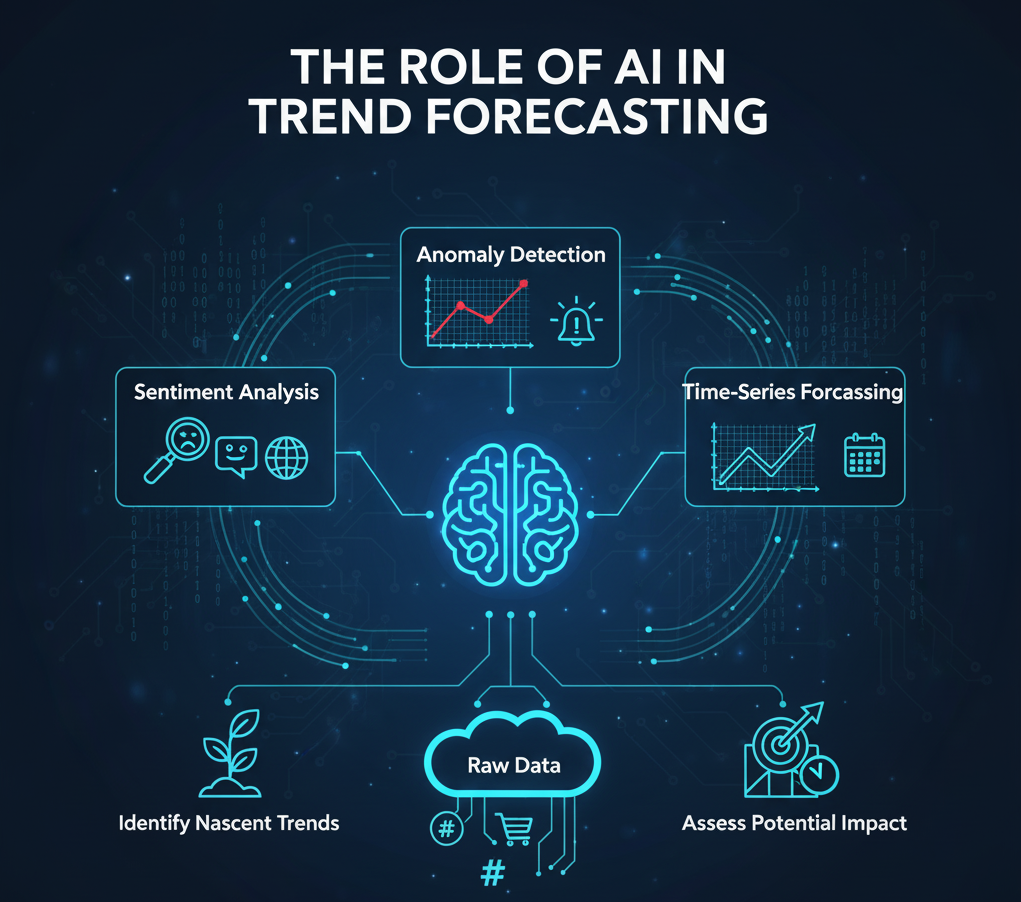
Artificial intelligence transforms raw data into actionable insights through machine learning algorithms and natural language processing. AI models can sift through millions of data points—from social media hashtags to e-commerce transactions—to detect subtle signals that humans might miss. Key AI capabilities include sentiment analysis, anomaly detection, and time-series forecasting. These tools help marketers identify nascent trends, predict their growth trajectory, and assess potential impact on specific demographics or regions.
Essential Data Sources and Tools
To build an effective predictive trend marketing strategy, you’ll need access to diverse data streams and analytics platforms. Consider the following sources and tools:
- Social Listening Platforms: Monitor brand mentions, hashtags, and sentiment across networks like Twitter, Instagram, and TikTok.
- Search Analytics: Use Google Trends and keyword research tools to spot rising search queries.
- Customer Data: Leverage CRM and purchase histories to track evolving buyer behavior.
- AI & ML Frameworks: Employ platforms such as TensorFlow, PyTorch, or cloud services from AWS, Google Cloud, and Azure for building forecasting models.
- Market Research Databases: Subscribe to industry reports and syndicated data for macroeconomic indicators.
Implementing Predictive Trend Marketing
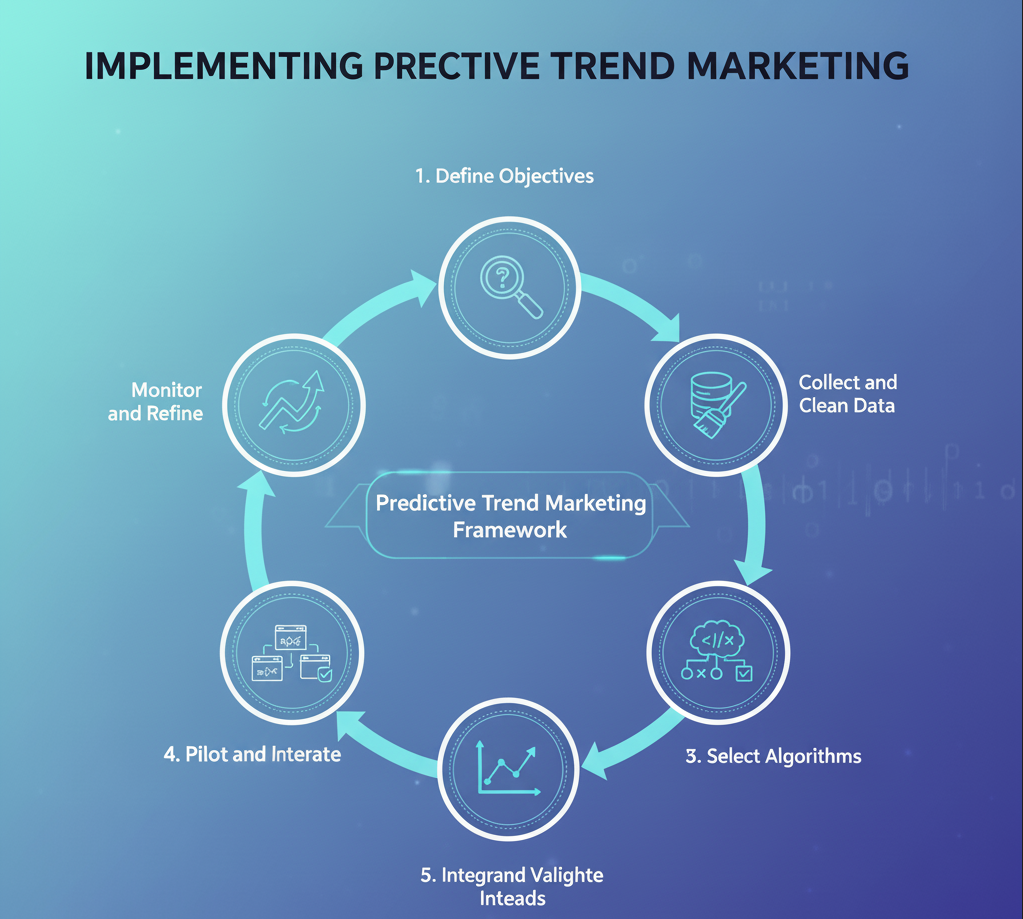
Follow these steps to integrate predictive trend marketing into your organization:
- Define Objectives: Clarify whether you aim to optimize content calendars, guide product innovation, or refine targeting strategies.
- Collect and Clean Data: Aggregate data from chosen sources and ensure it is formatted consistently for analysis.
- Select Algorithms: Choose machine learning models suited for time-series forecasting, clustering, or classification tasks.
- Train and Validate: Use historical data to train your models, then validate against known trend cycles to gauge accuracy.
- Integrate Insights: Feed real-time forecasts into your marketing automation, content management, or product planning tools.
- Monitor and Refine: Continuously track model performance and update algorithms as consumer behaviors evolve.
Integrating Predictive Insights into Marketing Campaigns
Predictive trend marketing becomes truly valuable when insights translate into actionable campaigns. Collecting data and forecasting trends is only half the battle; brands must operationalize predictions to drive measurable outcomes. Start by connecting your predictive models to marketing workflows. For example, insights about rising consumer interest in eco-friendly products should feed into your content calendar, paid advertising, influencer collaborations, and even packaging decisions.
Segment your campaigns based on predicted trend adoption stages. Early adopters may respond to bold messaging and limited-edition offerings, while mainstream consumers may need social proof or educational content. Incorporating principles of Viral Marketing Psychology alongside AI-driven predictions can significantly enhance shareability and engagement.
Lastly, consider testing multiple messaging variations simultaneously. Using A/B testing in combination with AI predictions allows brands to refine tone, visuals, and calls-to-action in real-time. By embedding predictive insights into every layer of your campaign, you create a feedback loop where data informs execution, which in turn generates new insights for ongoing optimization.
Predictive Trend Marketing Across Channels
To fully leverage predictive insights, brands must apply them across all marketing channels, not just digital platforms. Each channel interacts differently with consumers, and AI can help customize content and timing to match audience behavior.
- Social Media: Predictive analytics can identify trending topics, hashtags, and viral content opportunities. Brands can then create shareable content aligned with these micro-trends.
- Email Marketing: AI can forecast which product categories or topics are gaining traction, enabling personalized email campaigns that increase open and click-through rates.
- E-commerce Platforms: Predictive models can suggest inventory adjustments or targeted promotions based on emerging buying patterns.
- Offline Channels: Even traditional channels like in-store displays, print ads, and events benefit. AI can forecast which products or messages will attract foot traffic or generate buzz, allowing offline campaigns to align with digital trends.
This cross-channel integration ensures consistency and amplifies impact. Consumers encounter the same trend-driven messaging whether scrolling social media, browsing your website, or visiting a store, reinforcing brand relevance and trust.
Real-World Case Studies
To illustrate the power of predictive trend marketing, let’s examine two examples:
- Fashion Retailer: A global apparel brand used AI-driven social listening to detect early interest in upcycled fabrics. Six months before competitors, they launched an eco-friendly line that captured 30 percent of millennial shoppers and boosted revenue by 15 percent.
- FMCG Company: A beverage maker analyzed search trends and grocery data to forecast a shift toward functional beverages with adaptogens. Their timely product rollout achieved a top-five market share in the new category within months.
Leveraging Predictive Trend Marketing Across the Customer Journey
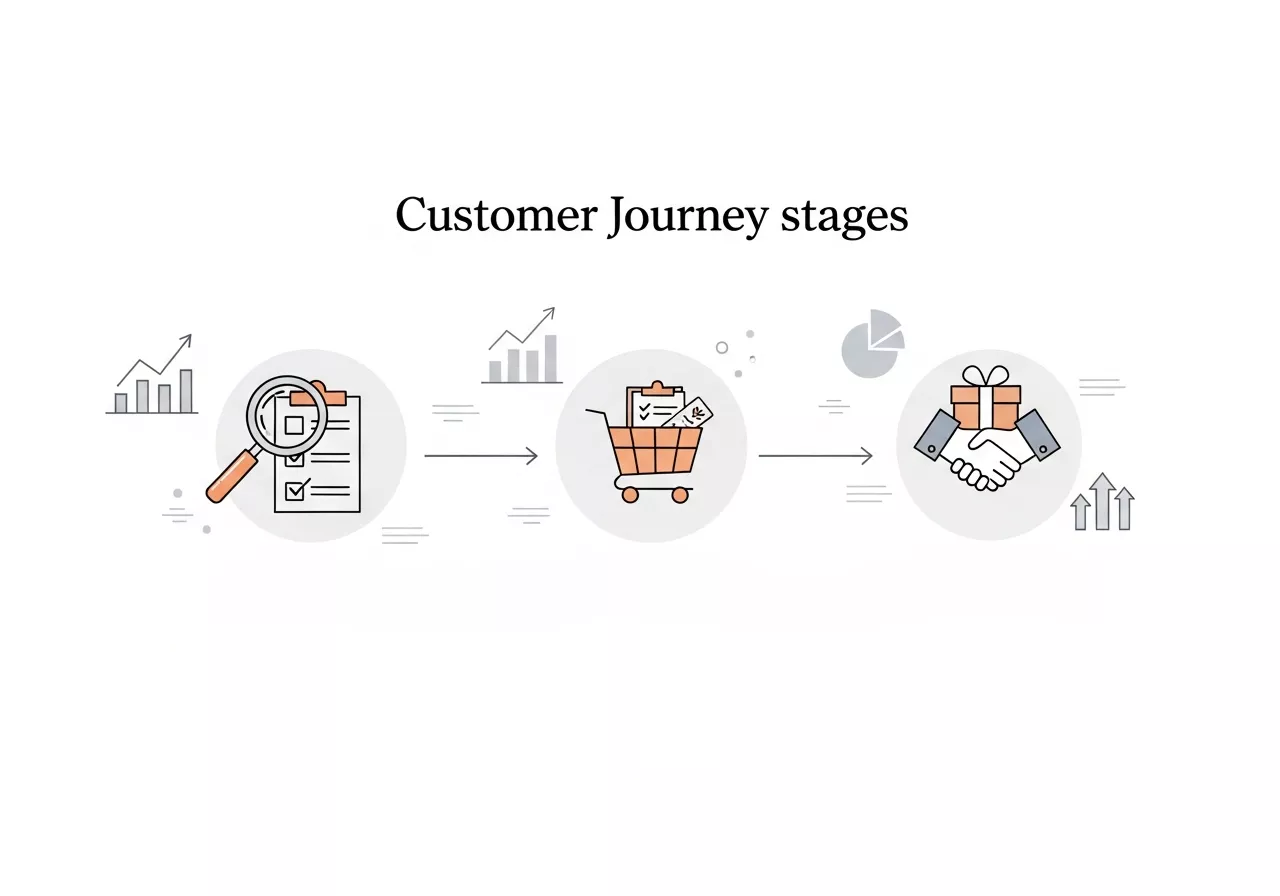
Predictive trend marketing is most powerful when integrated throughout the entire customer journey. By anticipating consumer behavior at every touchpoint—from awareness to post-purchase engagement—brands can deliver highly relevant experiences that drive loyalty and revenue.
1. Awareness Stage:
At this stage, predictive analytics identifies emerging interests and topics that potential customers are starting to explore. AI tools can analyze social media chatter, trending search queries, and early influencer content to forecast which themes are likely to go viral. By creating content aligned with these nascent trends, brands can capture attention before competitors even notice the shift.
Example: A skincare brand detects rising discussions around sustainable ingredients and launches educational blog posts and short-form videos, establishing authority early.
2. Consideration Stage:
Once potential customers are aware of your brand, predictive trend marketing helps personalize their experience. Machine learning models can forecast which products, features, or promotions will resonate with specific demographics. Predictive insights allow marketers to craft targeted campaigns that anticipate questions, preferences, and objections.
Strategies include:
- Dynamic email campaigns tailored to predicted interests.
- Personalized product recommendations based on emerging trends.
- Targeted social media ads using AI-identified micro-segments.
3. Purchase Stage:
AI forecasting can guide inventory management and promotional strategies. For instance, if a predictive model anticipates a spike in demand for eco-friendly tech gadgets, the company can stock sufficient units and launch time-sensitive campaigns to capture early adopters.
Benefits:
- Reduces lost sales due to stockouts.
- Optimizes promotional spend by focusing on products likely to trend.
- Increases conversion rates through hyper-relevant offers.
4. Post-Purchase Engagement:
Predictive trend marketing doesn’t end at the sale. By analyzing customer behavior and feedback, brands can forecast future product needs, upsell or cross-sell opportunities, and create content that keeps customers engaged. AI can also identify customers likely to advocate for your brand, enabling referral campaigns that ride the next wave of trends.
Examples:
- Sending follow-up emails featuring complementary products aligned with emerging trends.
- Inviting loyal customers to early-access launches of trend-inspired products.
- Using sentiment analysis to anticipate and resolve potential dissatisfaction before it escalates.
Key Takeaways for Integration Across the Journey:
- Data is central: Continuously feed CRM, social, and transactional data into predictive models.
- Iterate quickly: Micro-testing campaigns at each stage allows for agile adjustments.
- Cross-functional alignment: Marketing, product, and customer success teams must collaborate to act on AI insights effectively.
- Measure at every touchpoint: Track engagement, conversions, and sentiment to refine predictive models continuously.
By embedding predictive trend marketing across the customer journey, brands don’t just react—they shape consumer behavior, turning insights into growth at every stage. Organizations that master this approach can move from trend followers to trend creators, capturing early market share and building long-term loyalty.
Best Practices for Success
Adopt these best practices to maximize the ROI of your predictive trend marketing efforts:
- Cross-Functional Collaboration: Involve stakeholders from marketing, R&D, sales, and IT to ensure insights translate into action.
- Scalable Infrastructure: Use cloud-based platforms and APIs to handle large data volumes without performance bottlenecks.
- Ethical Data Handling: Respect privacy regulations and obtain consent before ingesting consumer data.
- Feedback Loops: Capture campaign performance metrics and feed them back into your models for continuous improvement.
- Actionable Dashboards: Provide marketing teams with intuitive visualizations and alerts for emerging trends.
Overcoming Common Challenges
Predictive trend marketing isn’t without hurdles. Data silos, model drift, and false positives can undermine efforts. To overcome these issues:
- Break Down Silos: Establish a centralized data warehouse to ensure cross-departmental visibility.
- Regular Model Audits: Schedule periodic reviews to recalibrate algorithms and eliminate bias.
- Threshold Tuning: Set confidence thresholds to reduce noise and focus on high-probability trend signals.
- Scenario Planning: Develop contingency plans for trends that underperform or shift unexpectedly.
Ethical and Responsible Predictive Marketing
While predictive trend marketing offers immense advantages, it also introduces ethical considerations that brands must address. Handling consumer data responsibly is critical for maintaining trust, avoiding regulatory penalties, and preventing misuse of insights.
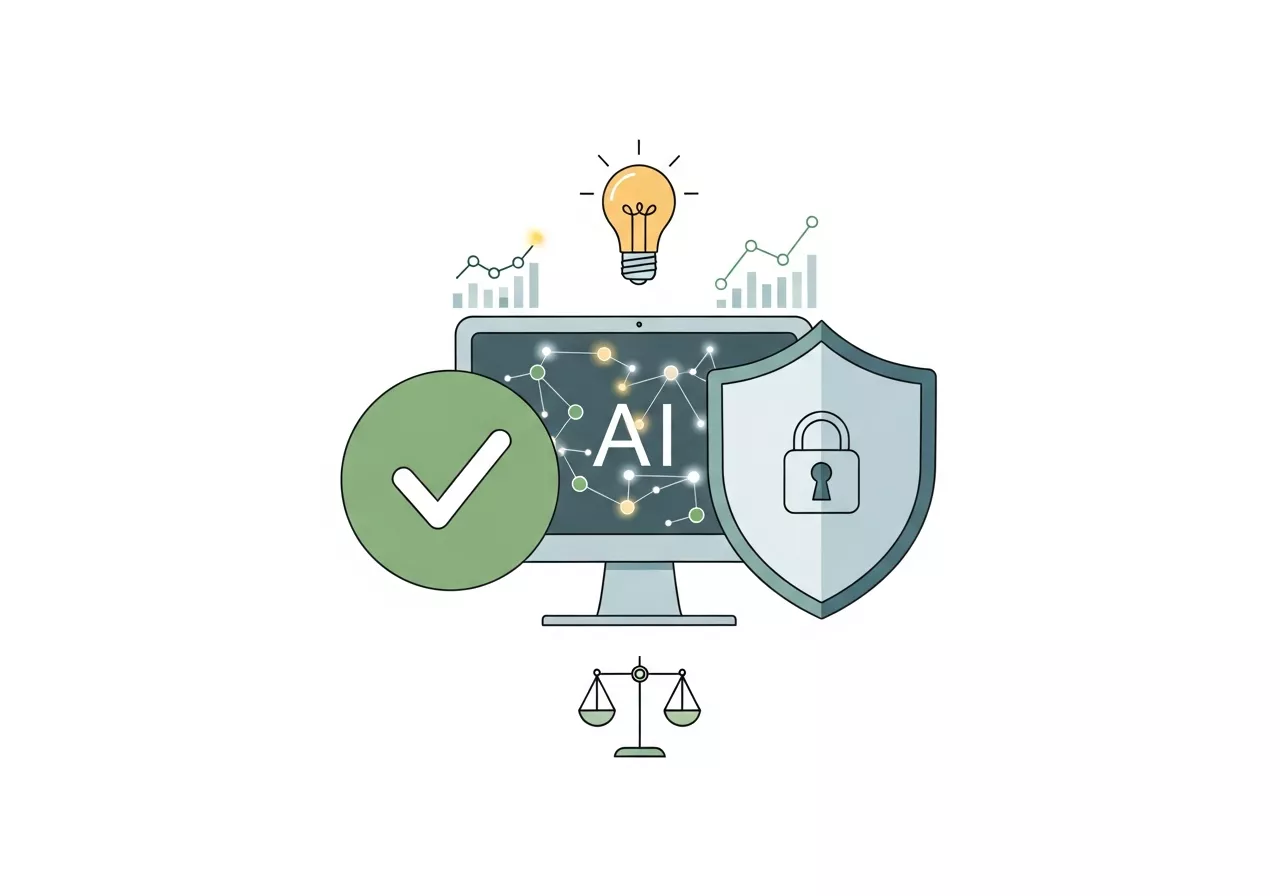
Key ethical practices include:
- Transparency: Inform consumers about data collection practices and how their information is used for trend forecasting.
- Bias Mitigation: Machine learning models can inadvertently perpetuate biases in data. Regular audits and diverse training datasets help reduce skewed predictions.
- Privacy Compliance: Ensure compliance with regulations like GDPR, CCPA, and other regional data protection laws. Avoid scraping sensitive personal data without consent.
- Impact Assessment: Consider the societal or environmental effects of predictive campaigns. For example, promoting products that contribute to waste or unhealthy behaviors, even if trending, may harm brand reputation.
By embedding ethics into your predictive marketing strategy, brands safeguard consumer trust while still benefiting from AI-driven insights. Responsible predictive marketing differentiates companies that lead trends from those that exploit them superficially.
Future Outlook and Conclusion
As AI and data analytics continue to advance, predictive trend marketing will become even more precise and accessible. Augmented intelligence tools will enable marketers to blend human creativity with machine-driven insights, leading to hyper-personalized campaigns that resonate on a global scale. Brands that invest in these capabilities now will outpace competitors and forge deeper connections with consumers. Embrace predictive trend marketing today to stay ahead of the curve, drive sustainable growth, and transform your business into a trendsetter rather than a follower.
Frequently Asked Questions (FAQ)
1. What is predictive trend marketing, and how does it differ from traditional trend marketing?
Predictive trend marketing uses AI and advanced analytics to forecast emerging consumer behaviors before they become mainstream. Unlike traditional trend marketing, which reacts to visible shifts, predictive approaches anticipate trends using data from social media, search behavior, and purchasing patterns.
2. How can AI help in predicting consumer trends?
AI analyzes large datasets to detect subtle patterns humans might miss. Through machine learning, sentiment analysis, and time-series forecasting, AI identifies nascent trends, predicts their trajectory, and helps marketers prioritize opportunities with the highest potential impact.
3. What types of data are essential for predictive trend marketing?
Effective predictive trend marketing relies on:
- Social media conversations and hashtags
- Search trends and keyword insights
- Purchase histories and CRM data
- Market research reports and syndicated datasets
- Emerging platform analytics from TikTok, Instagram, or niche communities
4. How accurate are predictive trend forecasts?
Accuracy depends on the quality of data, algorithms, and continuous model refinement. While forecasts aren’t perfect, regularly updating models with real-time feedback, validating predictions against historical trends, and applying scenario planning significantly improve reliability.
5. Can small businesses use predictive trend marketing?
Absolutely. While large brands often have more data, small businesses can leverage affordable social listening tools, trend analytics platforms, and AI-based insights. Starting with a single data source and scaling gradually allows even small teams to anticipate trends and act proactively.
6. What are common challenges in predictive trend marketing?
Key challenges include:
- Data silos that limit insight integration
- Model drift, where predictions become less accurate over time
- False positives from noise in large datasets
- Resource constraints for agile content creation and campaign execution
7. How can businesses measure the success of predictive trend marketing?
Success can be measured across several dimensions:
- Engagement metrics (social shares, comments, repeat visits)
- Brand lift (awareness, sentiment shifts, purchase intent)
- Revenue impact (incremental sales, average order value, customer lifetime value)
Regularly tracking these KPIs allows marketers to refine predictive models and optimize campaigns effectively.
8. What is the future of predictive trend marketing?
The future combines human creativity with AI-driven insights. Expect hyper-personalized campaigns, real-time trend detection, and integration with AR/VR experiences. Brands adopting predictive trend marketing early will stay ahead of competitors and create trends rather than follow them.
Learn more about: Why Traditional Business Models Still Drive Success






Comments (1)
What is Viral Marketing in PR? Complete Guide & Examplessays:
September 1, 2026 at 9:02 am[…] Learn more about: Predictive Trend Marketing: How AI Forecasts Emerging Consumer Behaviors […]