

In today’s fast-paced digital landscape, capturing emerging consumer trends before they go mainstream can make or break a brand. Traditional market research methods often fall short in providing real-time insights, leaving marketers playing catch-up. AI-driven trend forecasting leverages machine learning algorithms, natural language processing, and predictive analytics to analyze vast data streams from social media, search engines, news outlets, and e-commerce platforms. By detecting subtle shifts in consumer behavior and sentiment, brands can proactively adapt their strategies, products, and messaging to resonate with their audience. In this comprehensive guide, we walk you through the fundamentals of AI-driven trend forecasting, outline a step-by-step implementation process, highlight best practices, and recommend top tools to keep your marketing ahead of the curve.
What Is AI-Driven Trend Forecasting?
AI-driven trend forecasting combines artificial intelligence techniques with large-scale data analysis to predict upcoming market movements. Unlike manual analysis that relies on small focus groups or lagging indicators, AI systems process real-time signals from diverse sources. Machine learning models detect patterns in social posts, search queries, e-commerce purchase data, and even news sentiment. These models classify topics, identify rising keywords, and cluster emerging themes. As a result, marketers gain a forward-looking view of consumer interests, product demand, and cultural shifts. Translating raw data into clear trend insights empowers brands to craft timely campaigns, develop relevant products, and optimize resource allocation based on what’s likely to resonate next.
Benefits of AI in Trend Marketing
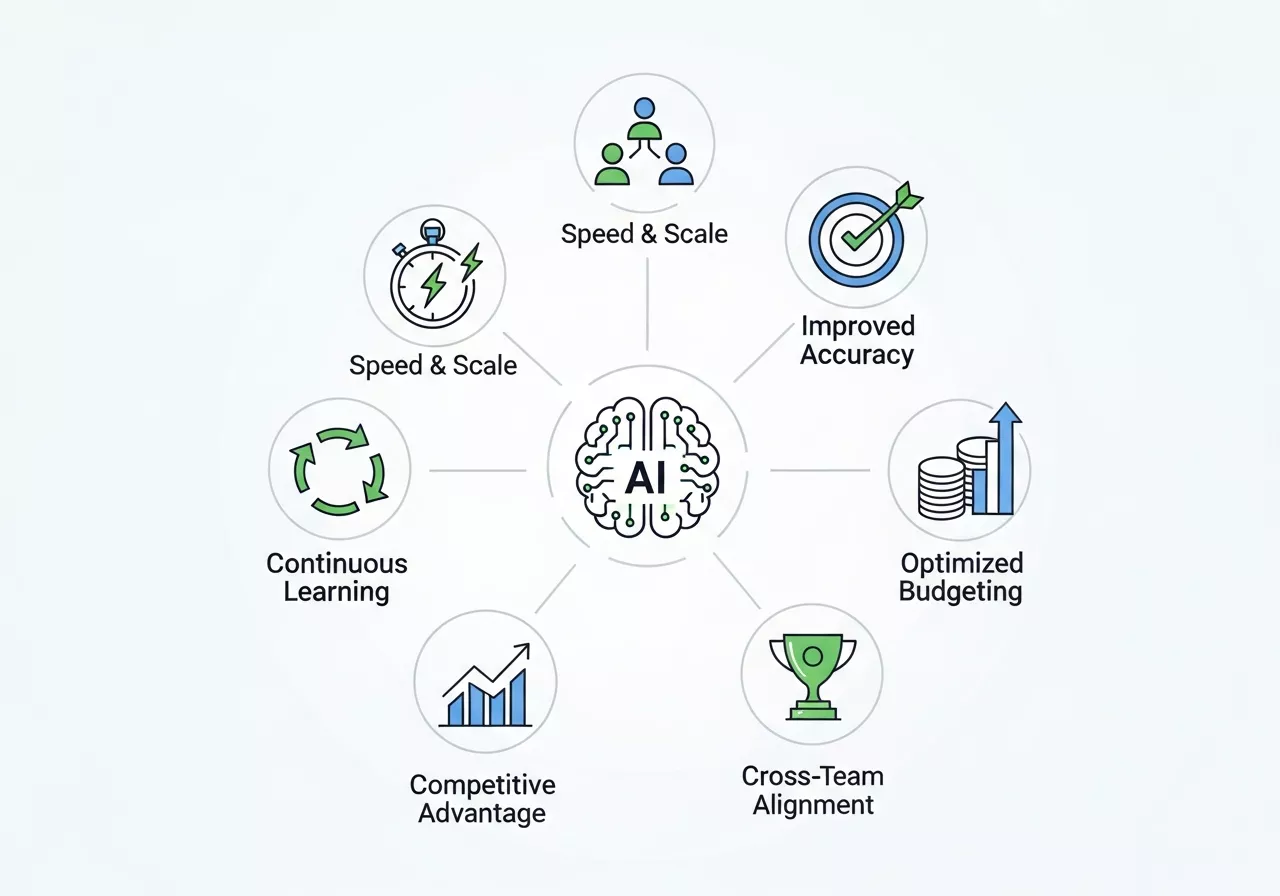
Integrating AI into trend marketing efforts offers numerous advantages over traditional approaches:
- Speed and Scale: Algorithms analyze millions of data points in minutes, enabling rapid response to market shifts.
- Improved Accuracy: Advanced pattern recognition minimizes reliance on gut instinct or incomplete data.
- Continuous Learning: Models refine forecasts as new data comes in, keeping insights fresh.
- Optimized Budgeting: Predictive insights help allocate marketing spend to rising trends rather than fading ones.
- Competitive Advantage: Proactive launches of products or campaigns strengthen brand relevance.
- Cross-Team Alignment: Centralized, data-backed reports align stakeholders around high-potential opportunities.
These benefits translate into stronger brand engagement, increased ROI, and a sustainable marketing edge. By identifying the Secret Science of Viral Marketing Psychology, AI helps marketers craft campaigns that tap into the emotional triggers driving consumer behavior, increasing the likelihood of viral success.
A Step-by-Step Process to Implement AI-Driven Trend Forecasting
1. Data Collection and Integration
Begin by identifying relevant data sources: social media platforms, search engine trends, e-commerce sales figures, news feeds, and customer reviews. Use APIs and data connectors to gather real-time and historical data. Integrate disparate datasets into a unified data warehouse or lake. Ensure data quality by cleaning, de-duplicating, and normalizing inputs. A robust data foundation is crucial for accurate forecasting.
2. Data Analysis with Machine Learning
Apply machine learning techniques such as natural language processing (NLP) and sentiment analysis to understand the context and emotion behind text-based data. Use clustering algorithms to group related topics and frequency analysis to spot spikes in keyword usage. Train predictive models—like time-series forecasting or regression analysis—to identify patterns and project trend trajectories. Validate models using back-testing on historical data to measure accuracy and adjust parameters accordingly.
3. Identifying Emerging Trends
Convert analytical outputs into actionable trend insights. Prioritize trends based on growth rate, audience relevance, and strategic fit. Visualize emerging patterns on dashboards, highlighting top trends by region, demographic, or channel. Develop concise trend reports that outline opportunity areas, risk factors, and recommended next steps. Sharing these insights in regular strategy meetings ensures your team stays aligned on high-potential trends. By focusing on social media viral trends, you can identify and capitalize on real-time shifts in consumer sentiment.
4. Strategic Implementation
Translate trend insights into concrete marketing initiatives. Update product roadmaps, content calendars, and campaign briefs to incorporate timely themes. For example, if AI identifies a rising demand for sustainable packaging, collaborate with product development to launch eco-friendly options and craft messaging that highlights sustainability commitments. Optimize ad targeting by aligning creative with trending topics and preferred channels of your audience segment.
5. Monitoring, Optimization, and Scaling
Continuously track campaign performance and trend evolution. Set up real-time alerts for significant deviations from predicted trajectories. Refine machine learning models with new outcome data to improve accuracy. Scale successful initiatives by reallocating budget to high-performing segments and channels. Document learnings in a centralized repository to guide future trend forecasting and marketing efforts.
Best Practices and Common Pitfalls

To maximize the impact of AI-driven trend forecasting, adhere to these best practices:
- Maintain data hygiene: Regularly audit data sources to prevent bias and errors.
- Balance automation and human judgment: Combine algorithmic insights with expert marketing intuition.
- Ensure cross-functional collaboration: Involve product, sales, and creative teams early in the forecasting process.
- Prioritize interpretability: Choose models whose outputs can be explained to non-technical stakeholders.
- Avoid overfitting: Prevent models from being too narrowly tailored to historical quirks that may not repeat.
Common pitfalls include relying on a single data source, ignoring cultural nuances, or failing to iterate on model feedback. Addressing these issues upfront ensures more reliable and actionable insights.
Leveraging AI to Drive Proactive Product Innovation
In addition to forecasting trends for marketing purposes, AI-driven trend forecasting can play a pivotal role in proactive product innovation. By identifying emerging market demands and consumer interests early, businesses can introduce products that are ahead of the curve. Here’s how AI can drive product innovation and help companies stay relevant:
1. Predicting Consumer Needs Before They Arise
AI can detect early signs of unmet consumer needs by analyzing vast datasets across multiple platforms. For instance, sentiment analysis on social media can uncover growing frustrations or desires related to current product offerings, which brands can capitalize on by designing new products or features that address these gaps.
-
Example: AI might detect a growing trend in sustainability in fashion, prompting brands to innovate with eco-friendly materials or green production processes.
2. R&D and Product Development Optimization
AI-driven trend forecasting also optimizes research and development (R&D) by providing data-driven insights into which product concepts are most likely to succeed. By predicting what will resonate with consumers based on current and upcoming trends, companies can focus their resources on the most promising innovations.
-
Example: AI can guide beverage companies to develop new flavors based on emerging tastes and preferences identified through trend analysis on social media platforms like Instagram and TikTok.
3. Rapid Prototyping and Market Testing
AI tools allow companies to prototype and test new ideas quickly, iterating based on real-time consumer feedback. By analyzing responses from beta testers or early product launches, AI can identify which features are most appealing, helping companies refine their offerings before a full-scale launch.
AI Tools for Product Innovation
| Tool | Purpose | Benefit |
|---|---|---|
| Google AI | Analyzes trends and consumer sentiment from search data | Predict product ideas based on rising search trends |
| IBM Watson | AI-powered insights from unstructured data (reviews, forums) | Understand emerging needs from customer feedback |
| Trendwatching | Provides predictive analytics on consumer behavior | Guides new product concepts based on emerging demands |
Overcoming Challenges in AI-Driven Trend Forecasting
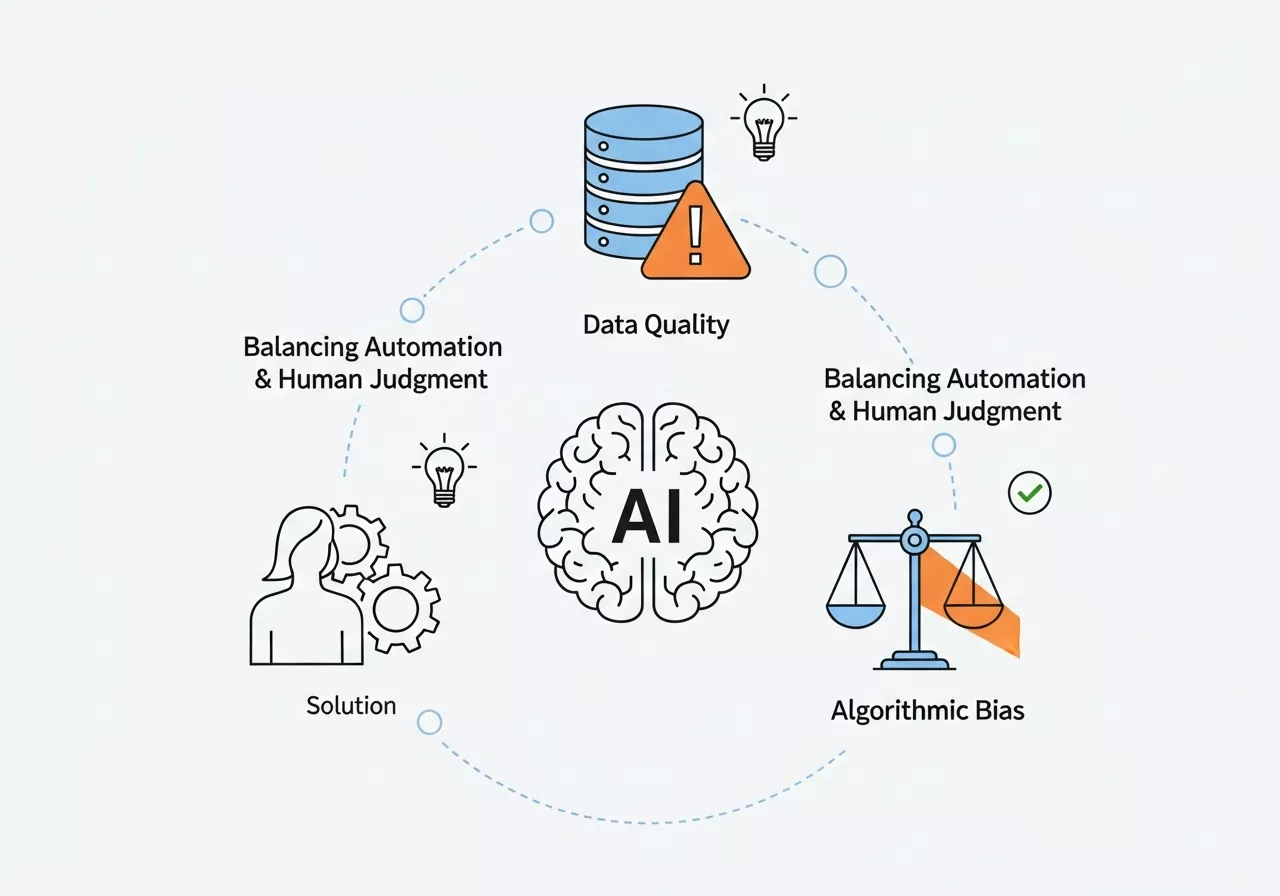
While AI-driven trend forecasting offers tremendous potential, it’s not without its challenges. Marketers must be aware of these obstacles and take proactive steps to mitigate them. Here are some key challenges brands might face:
1. Data Quality and Availability
AI is only as effective as the data it processes. Inaccurate or incomplete data can skew trend predictions, leading to missed opportunities or misguided campaigns. Ensuring high-quality data collection and cleansing is a crucial first step for effective trend forecasting.
-
Solution: Invest in data governance and quality assurance practices. Regular audits of data sources help remove noise and ensure accuracy in trend detection.
2. Balancing Automation with Human Judgment
While AI can process vast amounts of data, it cannot replicate human intuition, cultural awareness, or creativity. Solely relying on AI for decision-making can result in trends that feel robotic or disconnected from your brand’s core values.
-
Solution: Combine AI insights with human expertise. Marketers should always review and refine AI predictions to align with their brand voice, values, and market positioning.
3. Algorithmic Bias
AI models are prone to biases, especially if they are trained on biased data. If the data used to train AI systems contains inherent biases, it can skew trend predictions and reinforce stereotypes or exclusionary patterns.
-
Solution: Ensure that your data is diverse and representative. Implement ongoing checks to evaluate the fairness of AI models and adjust parameters as needed to avoid bias.
Common AI Trend Forecasting Challenges
| Challenge | Impact | Solution |
|---|---|---|
| Data Quality | Inaccurate predictions due to poor data | Regular data cleansing and audits |
| Human Judgment | Over-reliance on AI can result in misaligned strategies | Blend AI insights with creative input |
| Algorithmic Bias | AI models can perpetuate bias if trained on skewed data | Ensure diverse and representative data sources |
Top Tools and Platforms for AI-Powered Trend Forecasting
Several leading solutions can accelerate your AI-driven trend marketing:
- Google Cloud AI Platform: Scalable infrastructure for custom model training and deployment.
- IBM Watson Discovery: Advanced NLP for extracting insights from unstructured text.
- Brandwatch: Social listening and trend analysis with built-in dashboards.
- Trendwatching: Curated consumer trend reports enhanced with predictive analytics.
- Tableau paired with Python: Visual analytics combined with open-source ML libraries like scikit-learn.
Choose platforms based on your data volume, technical resources, and desired level of customization.
Scaling AI-Driven Trend Forecasting Across Teams
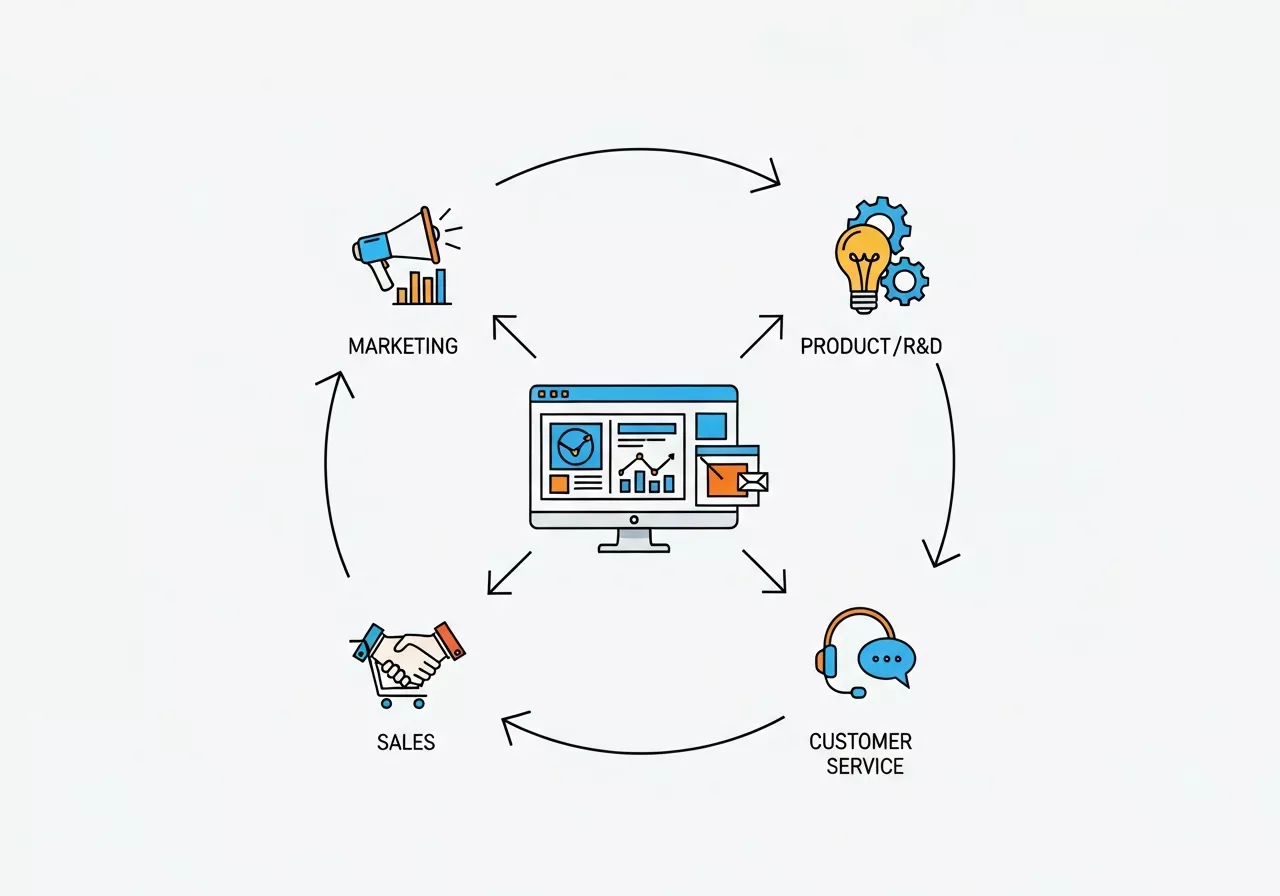
Successfully scaling AI-driven trend forecasting across an organization requires careful planning, effective communication, and the right tools. To ensure all departments—marketing, R&D, sales, and customer service—are aligned with emerging trends, companies must establish processes that allow AI insights to inform their decisions seamlessly.
1. Centralized Data Insights Platform
One of the most effective ways to scale AI-driven trend forecasting across teams is by using a centralized data platform. This platform serves as a single source of truth for all trend-related insights, enabling different departments to access up-to-date trend data and adjust their strategies accordingly.
-
Example: A dashboard that aggregates data from social media, e-commerce platforms, and customer reviews can be used by marketing teams to adjust campaigns, by product teams to innovate, and by sales teams to tailor their pitches.
2. Cross-Functional Collaboration
Trend forecasting should not be limited to just the marketing team. To truly leverage emerging trends, AI insights must be shared across all departments. Collaboration between marketing, R&D, sales, and even customer service teams ensures that trend insights are acted upon in a way that aligns with the company’s overall goals.
-
Example: If AI detects a surge in demand for a particular feature in a product category, both the product development and marketing teams should quickly collaborate to roll out new features or launch targeted campaigns.
3. Continuous Feedback Loop
Creating a feedback loop where teams continuously provide input on AI-driven insights can help improve forecasting accuracy. As campaigns are launched and products are tested in the market, teams should document their outcomes, which should be fed back into the system to refine future predictions.
-
Example: If an AI trend forecast suggests a surge in eco-friendly products but a campaign doesn’t perform well, the team should analyze why and adjust the AI model accordingly for future forecasts.
Steps to Scale AI Across Teams
| Step | Action | Benefit |
|---|---|---|
| Centralized Platform | Use a unified dashboard for trend data | Ensures all teams are aligned on trends |
| Cross-Functional Collaboration | Share trend insights across departments | Enables coordinated actions and strategies |
| Continuous Feedback Loop | Feed campaign results back into AI systems | Refines trend forecasts for better accuracy |
Conclusion
AI-driven trend forecasting is no longer a futuristic concept—it’s a practical necessity for brands aiming to lead rather than follow. By building a solid data infrastructure, applying machine learning to surface emerging patterns, and embedding trend insights into your marketing strategy, you can launch campaigns and products that resonate at the right moment. Remember to blend automated insights with human expertise, monitor outcomes continuously, and iterate on your approach. With the right tools and processes in place, you’ll stay agile, relevant, and always one step ahead in the dynamic world of trend marketing.
FAQ: AI-Driven Trend Forecasting
1. What is AI-driven trend forecasting?
AI-driven trend forecasting uses artificial intelligence to analyze large datasets from sources like social media, search engines, and e-commerce platforms to predict future trends. It helps marketers, product teams, and businesses stay ahead of market shifts and adapt their strategies in real time.
2. How does AI forecast trends accurately?
AI utilizes machine learning models, natural language processing (NLP), and predictive analytics to process and analyze real-time data. It identifies patterns in consumer behavior, emerging topics, and sentiment shifts, offering predictive insights on what’s likely to resonate in the near future.
3. Can AI detect trends across multiple industries?
Yes, AI can detect trends across various industries by analyzing cross-industry data. By aggregating data from multiple sectors—such as fashion, technology, and food—AI provides insights that can guide product innovation and marketing strategies across different verticals.
4. What data sources does AI use for trend forecasting?
AI analyzes diverse data sources, including:
- Social media posts and conversations
- Search engine trends and queries
- E-commerce sales data and customer reviews
- News outlets, blogs, and forums
These sources help identify rising keywords, shifts in consumer sentiment, and emerging cultural movements.
5. How do I get started with AI-driven trend forecasting?
To get started, you need to:
- Collect data from relevant sources (social media, e-commerce, search engines).
- Implement AI tools for trend analysis and predictive modeling.
- Train your team to interpret insights and integrate them into marketing and product strategies.
- Monitor trends continuously to optimize campaigns and product development.
6. What are the main benefits of AI in trend forecasting?
AI offers several key benefits:
- Speed and scale: Analyzes vast amounts of data quickly.
- Accuracy: Reduces reliance on gut feelings and provides data-backed insights.
- Continuous learning: Improves forecasting accuracy over time.
- Proactive decisions: Helps brands stay ahead of trends, optimizing campaign timing and product launches.
7. Can AI-driven forecasting be used in product development?
Absolutely! AI can identify emerging trends and consumer demands early, helping businesses develop products that are ahead of the market. For example, if AI detects a growing trend for eco-friendly packaging, product teams can prioritize sustainability in their development process.
8. How accurate are AI predictions for trends?
While AI predictions are highly accurate due to data-driven analysis, they are not infallible. Factors like data quality, model bias, and unforeseen market events can influence results. However, continuous learning from new data improves accuracy over time.
9. What are the common challenges with AI-driven trend forecasting?
Some common challenges include:
- Data quality: Poor or biased data can lead to inaccurate predictions.
- Integration: Incorporating AI into existing systems and processes can be complex.
- Algorithmic bias: AI models may unintentionally reinforce biases if the data used is not diverse.
To overcome these, ensure good data practices and balance AI insights with human expertise.
10. How do I scale AI-driven trend forecasting across teams?
To scale AI across teams, centralize data insights in a shared platform, ensuring all departments (marketing, product, sales) have access to trend data. Regular cross-team collaboration and feedback loops will help align everyone with the latest trends and improve overall decision-making.
11. How do I integrate AI insights into my marketing strategy?
Start by aligning AI-driven trend insights with your brand’s goals. Update your marketing strategies, product launches, and content calendars to reflect emerging trends. Use real-time data to optimize campaigns, ensuring your brand stays relevant to shifting consumer interests.
Learn more about: Mastering Micro-Trend Marketing: How Real-Time Insights Propel Brand Growth





Leave a Reply