


This blog explores how brands achieve virality by leveraging emotional resonance, social currency, platform strategies, cultural moments, and influencers, while emphasizing authenticity, psychological triggers, and sustainable growth to turn viral attention into lasting customer engagement.
Every marketing team dreams of creating the next viral sensation. One day, your brand is unknown, the next it’s everywhere—Twitter threads, TikTok videos, news articles, and countless shares across social media platforms. But viral marketing isn’t just about luck or timing. There’s a method to the madness.
Understanding how brands achieve viral success requires examining the psychological triggers that make people share content, the strategic decisions that amplify reach, and the cultural moments that create perfect storms for viral growth. This post explores the key factors that transform ordinary marketing campaigns into internet phenomena and provides actionable strategies for increasing your brand’s viral potential.
The Science of Sharing: What Makes Content Spread
Emotional Resonance Drives Action
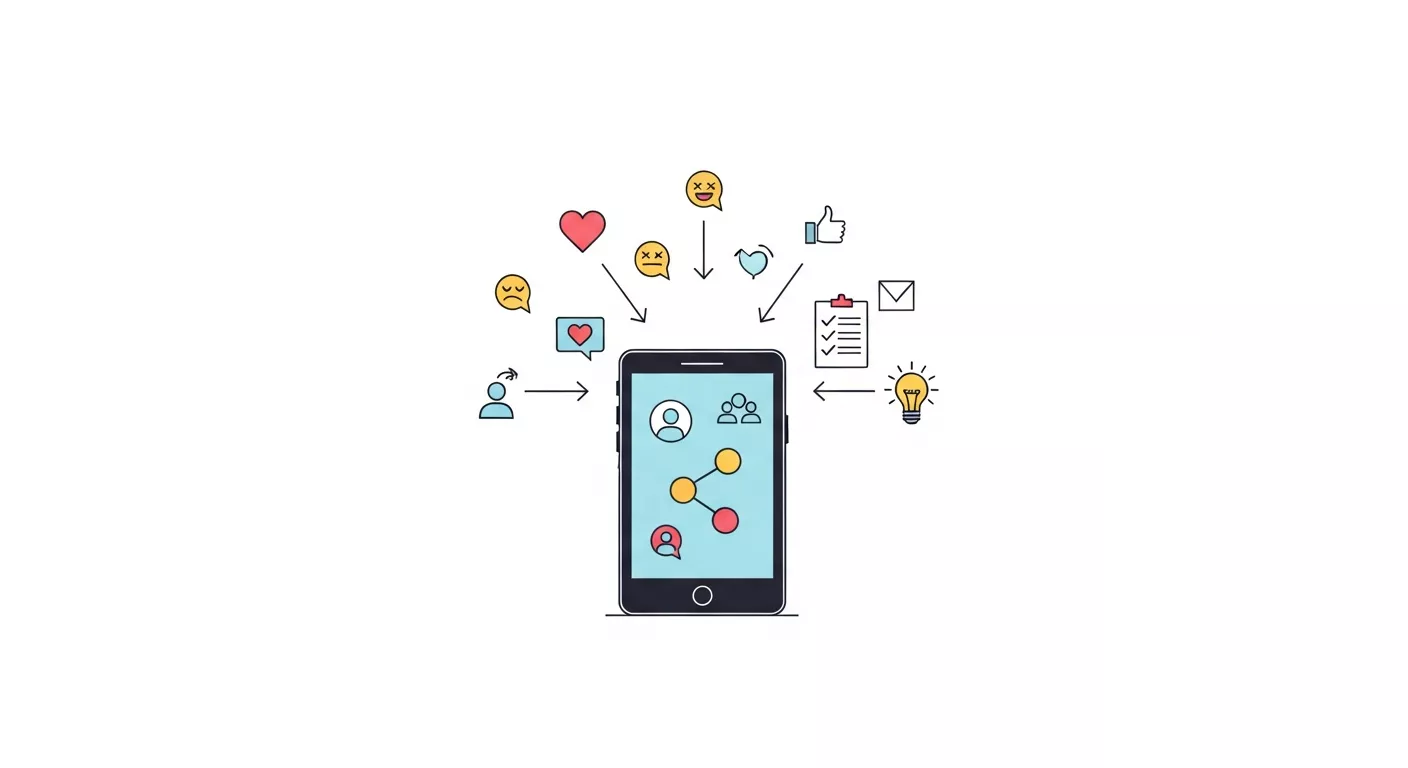
The most successful viral campaigns tap into powerful emotions. Research by marketing professor Jonah Berger shows that content evoking high-arousal emotions—whether positive (excitement, awe) or negative (anger, anxiety)—gets shared more frequently than content that leaves people feeling neutral or sad.
When Dove launched its “Real Beauty Sketches” campaign, it struck an emotional chord by challenging women’s self-perceptions. The video generated over 114 million views in its first month because it made viewers feel something profound about beauty standards and self-worth.
Social Currency Creates Sharers
People share content that makes them look good. This concept, known as social currency, explains why brands that make their audience appear knowledgeable, funny, or socially conscious often achieve viral success.
Dollar Shave Club’s launch video went viral partly because sharing it signaled that the viewer had discovered something clever and disruptive before everyone else. The humorous, irreverent tone gave sharers social credit for having a good sense of humor.
Practical Value Motivates Sharing
Content that provides genuine utility spreads rapidly. People share information that helps others save money, time, or effort. This explains why life hacks, money-saving tips, and productivity tools frequently go viral.
IKEA’s furniture assembly hacks and creative storage solutions regularly gain traction on social media because they offer practical value to homeowners and renters looking to maximize their space.
Platform-Specific Viral Strategies
TikTok: Authenticity and Trends
TikTok’s algorithm rewards authentic, engaging content over polished production. Brands succeed by embracing trends, using popular sounds, and creating content that feels native to the platform.
Duolingo’s TikTok strategy exemplifies this approach. The language learning app’s mascot owl became a viral sensation through unhinged, meme-worthy videos that played into TikTok’s chaotic humor while still promoting the brand.
Twitter: Real-Time Engagement
Twitter virality often stems from timely responses to current events or trending topics. Brands that can quickly create relevant, witty commentary while staying true to their voice can capture massive attention.
Oreo’s “You can still dunk in the dark” tweet during the 2013 Super Bowl blackout became legendary because it was perfectly timed, on-brand, and cleverly connected to the unexpected moment.
Instagram: Visual Storytelling
Instagram’s visual nature demands compelling imagery and storytelling. Brands go viral by creating shareable visual content that tells a story or evokes strong emotions.
Airbnb’s user-generated content strategy leverages beautiful travel photography from hosts and guests, creating an aspirational feed that makes followers want to share their own travel dreams.
Timing and Cultural Moments

Riding the Wave of Trending Topics
Successful viral campaigns often align with broader cultural conversations. Brands that can authentically connect their message to trending topics without appearing opportunistic can achieve massive reach.
Nike’s Colin Kaepernick campaign succeeded because it took a stance on a culturally relevant issue that aligned with the brand’s values and resonated with its target audience, despite generating controversy.
Creating Your Own Moment
Sometimes brands create viral moments by manufacturing their own cultural events. This requires significant creativity and often involves elements of surprise, exclusivity, or participation.
Burger King’s “Whopper Detour” campaign created artificial scarcity and gamification by offering one-cent Whoppers only when customers ordered from within 600 feet of a McDonald’s location using their app.
The Role of Influencers and Communities
Seed Audiences and Amplification
Viral content rarely starts from zero. Successful campaigns often begin with seed audiences—influencers, brand advocates, or communities that provide initial momentum.
Glossier built its viral success by cultivating a community of beauty enthusiasts who felt personally invested in the brand’s success. These advocates became organic promoters, sharing content because they felt part of something special.
Micro-Influencers and Authentic Reach
While celebrity endorsements can provide massive reach, micro-influencers often generate more authentic engagement. Their smaller, more engaged audiences trust their recommendations more than those of major celebrities.
Fashion brands like Reformation achieve viral moments by partnering with micro-influencers whose personal style aligns with the brand, creating authentic-feeling content that resonates with niche audiences.
The Dark Side of Viral Marketing
When Campaigns Backfire
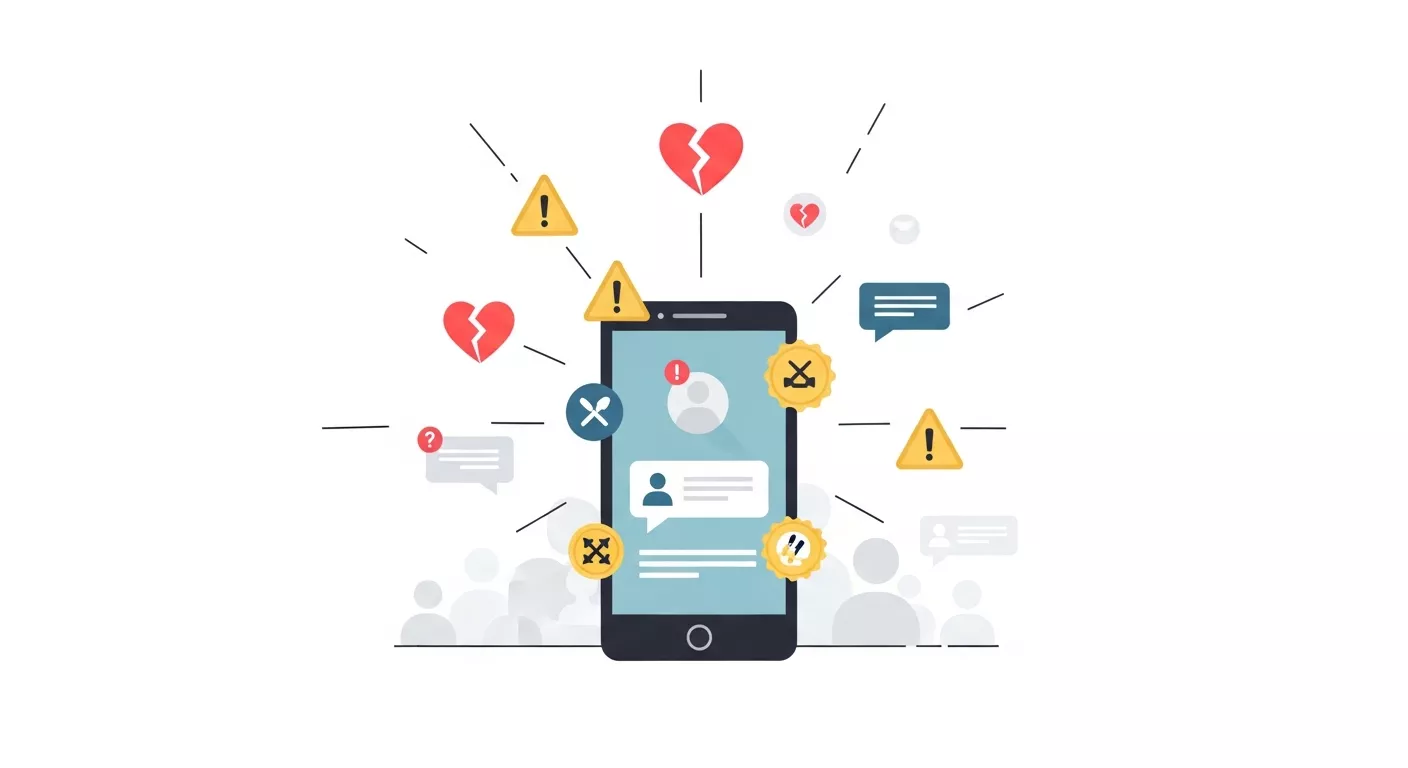
Not all viral moments are positive. While brands dream of content spreading like wildfire, virality can just as easily amplify mistakes. Campaigns that are tone-deaf, offensive, or poorly executed can generate massive attention—but for the wrong reasons. Negative virality can harm brand reputation, alienate loyal customers, and even lead to long-term financial losses.
For example, Pepsi’s 2017 ad featuring Kendall Jenner aimed to appear socially conscious, but it trivialized real social justice movements. The backlash was swift and intense, with widespread criticism across social media, news outlets, and cultural commentators. Instead of boosting the brand, the campaign became a cautionary tale in marketing circles.
Other instances include campaigns that misjudge humor, cultural sensitivities, or political contexts. Even minor missteps can escalate quickly when amplified by social media’s rapid sharing and public scrutiny.
Managing Viral Backlash
Brands must be prepared for both positive and negative viral moments. Proactive planning and clear response strategies are essential to mitigate damage and, in some cases, turn a crisis into an opportunity. Key strategies include:
- Crisis Management Plans: Predefine protocols for social media responses, press statements, and customer support during a viral controversy.
- Authenticity in Communication: Audiences respond positively to honest and transparent messaging rather than defensive or evasive statements.
- Humor and Self-Deprecation (When Appropriate): Light-hearted, relatable approaches can diffuse tension and humanize the brand.
- Rapid Response: Speed matters; addressing issues early can prevent negative narratives from spiraling out of control.
- Learning and Adaptation: Analyze what went wrong and incorporate lessons into future campaigns.
A classic example of turning potential disaster into a viral win is KFC’s “FCK” apology during the UK chicken shortage. Instead of hiding or downplaying the issue, KFC embraced humor and honesty, creating a memorable and widely shared response that strengthened brand perception.
Lessons for Brands
- Virality Isn’t Always Desirable: A campaign going viral doesn’t automatically mean success; the context and perception matter.
- Know Your Audience and Cultural Climate: Misreading audience sentiment or social context increases the risk of backlash.
- Have Contingency Plans: Always anticipate how a campaign could be misinterpreted and plan accordingly.
- Turn Mistakes into Opportunities: When handled correctly, even negative viral attention can showcase brand authenticity and creativity.
By understanding the dark side of virality and preparing strategically, brands can navigate risks, protect their reputation, and sometimes even convert negative moments into positive engagement
Measuring Viral Success
Beyond Vanity Metrics
While views and shares are important, true viral success should be measured by business impact. Brands should track metrics like brand awareness, website traffic, lead generation, and sales conversions.
Long-Term Brand Building
Viral moments can provide short-term attention, but lasting success requires consistent brand building. The most successful brands use viral campaigns as stepping stones to deeper customer relationships.
Old Spice’s viral video campaign starring Isaiah Mustafa generated massive buzz, but the brand’s long-term success came from maintaining quality products and consistent messaging across all touchpoints.
The Psychological Triggers That Accelerate Virality
Beyond emotions and platform mechanics, viral success often depends on deeper psychological triggers that influence human behavior. These triggers operate subconsciously, shaping what people notice, remember, and feel compelled to share. Brands that understand and intentionally activate these triggers create content that spreads naturally rather than feeling forced.
Key psychological triggers include:
- FOMO (Fear of Missing Out): Limited-time offers, exclusivity, and “only for now” messaging push people to act and share quickly.
- Identity Signaling: People share content that reflects who they are or who they aspire to be.
- Story Completion Bias: Content that starts with a hook and promises a payoff keeps people engaged and sharing until the end.
- Social Proof: Seeing others engage with content increases trust and participation.
Common Psychological Triggers in Viral Campaigns
| Psychological Trigger | How It Works | Brand Example |
|---|---|---|
| FOMO | Creates urgency and scarcity | Supreme’s limited product drops |
| Identity Signaling | Aligns with personal values | Patagonia’s sustainability messaging |
| Curiosity Gap | Teases information without revealing all | Click-worthy TikTok hooks |
| Social Proof | Validates content through engagement | Spotify Wrapped sharing trends |
| Reciprocity | Encourages sharing after the value is given | Free tools, templates, or insights |
When brands design campaigns that activate multiple triggers at once, they dramatically increase the likelihood of viral spread.
Building Your Viral Strategy
Know Your Audience Deeply
Understanding your audience’s values, interests, and sharing behaviors is fundamental to creating viral content. Conduct research to identify what motivates your customers to share content.
Create Authentic Brand Moments
Viral campaigns work best when they feel authentic to the brand. Don’t chase trends that don’t align with your values or voice. Instead, find ways to authentically connect your brand story to broader cultural conversations.
Prepare for Scale
Viral success can overwhelm unprepared brands. Ensure your website, customer service, and fulfillment systems can handle sudden spikes in traffic and demand.
Be Patient and Consistent
Viral moments can’t be forced, but they can be encouraged through consistent, high-quality content creation. Focus on building a content strategy that provides value to your audience regularly.
Turning Viral Attention Into Sustainable Growth
Viral reach alone does not guarantee business success. Many brands experience massive spikes in attention only to see engagement fade quickly. The real challenge—and opportunity—lies in converting viral moments into long-term brand equity, customer loyalty, and revenue growth.
To make virality sustainable, brands must intentionally guide audiences toward deeper engagement:
- Clear next steps: Direct viral traffic toward newsletters, free trials, or community sign-ups
- Consistent messaging: Reinforce brand values across all touchpoints
- Retention-focused content: Follow viral moments with educational, relationship-building content
- Data capture: Use analytics to understand who engaged and why
Viral Moment vs. Sustainable Growth Strategy
| Aspect | Viral Moment | Sustainable Growth |
|---|---|---|
| Primary Goal | Attention | Long-term relationships |
| Key Metric | Shares & views | Retention & conversions |
| Content Style | Trend-driven | Value-driven |
| Audience Impact | Short-term excitement | Brand loyalty |
| Business Outcome | Awareness spike | Revenue and advocacy |
Brands like Netflix and Spotify excel here by pairing viral campaigns with personalized experiences that keep users engaged long after the buzz fades.
By planning beyond the initial surge of attention, brands can turn fleeting internet fame into measurable business growth and enduring cultural relevance.
From Viral Moment to Lasting Impact
Going viral is just the beginning. The brands that truly benefit from viral success are those that can convert momentary attention into lasting customer relationships. This requires having systems in place to capture leads, nurture prospects, and deliver exceptional customer experiences.
The key to viral marketing success lies not in chasing trends but in understanding your audience so deeply that you can create content that resonates on an emotional level. When you combine authentic storytelling with strategic timing and platform-specific optimization, you create the conditions for viral success.
Remember that viral marketing is both an art and a science. While you can’t guarantee virality, you can increase your odds by creating emotionally resonant content, timing your campaigns strategically, and building authentic relationships with your audience. The brands that go viral consistently are those that stay true to their values while remaining agile enough to participate in cultural conversations.
Start by auditing your current content for emotional impact, examining your audience’s sharing patterns, and experimenting with platform-specific strategies. Most importantly, focus on creating content that provides genuine value to your audience. When you prioritize serving your customers over chasing viral fame, you’ll be surprised how often those viral moments naturally follow.
Frequently Asked Questions (FAQ)
Q1. What makes content go viral?
Content goes viral when it resonates emotionally, offers practical value, creates social currency, and aligns with platform-specific behaviors. Triggering strong emotions like excitement, awe, or humor significantly increases shareability.
Q2. Can brands plan to go viral, or is it just luck?
While you can’t guarantee virality, brands can increase the odds through strategic planning: understanding audience psychology, leveraging platform trends, timing campaigns with cultural moments, and creating authentic content.
Q3. Which platforms are best for viral marketing?
Each platform has unique characteristics:
- TikTok: Short-form, authentic, trend-driven content
- Instagram: Visual storytelling and aspirational imagery
- Twitter/X: Real-time engagement and witty commentary
Success depends on knowing where your target audience spends their time.
Q4. How do psychological triggers affect virality?
Triggers like FOMO, social proof, curiosity gaps, and identity signaling influence sharing behavior. Campaigns that incorporate multiple triggers are more likely to spread quickly.
Q5. How can small brands go viral without a huge budget?
Small brands can focus on authenticity, storytelling, and niche communities. Micro-influencers, user-generated content, and clever campaigns often outperform big-budget but impersonal campaigns.
Q6. Can viral campaigns backfire?
Yes. Tone-deaf, offensive, or poorly executed content can generate negative virality. Preparing crisis management plans and authentic responses is essential.
Q7. How do you measure true viral success?
Beyond views and shares, track business metrics like:
- Website traffic
- Lead generation
- Sales conversions
- Long-term customer engagement
Viral moments should support overall brand growth, not just short-term attention.
Q8. How can brands turn viral attention into sustainable growth?
By guiding audiences to clear next steps (like newsletter sign-ups or purchases), delivering retention-focused content, capturing data, and maintaining consistent brand messaging. Viral moments should feed long-term relationships, not just short-term hype.
Q9. Are influencers necessary for virality?
Not always. Influencers, especially micro-influencers, can seed initial engagement and amplify reach authentically. Celebrity endorsements can help, but smaller influencers often drive higher engagement per follower.
Q10. How should brands balance trend-chasing with authenticity?
Brands should only engage with trends that align with their core values and voice. Authenticity matters more than jumping on every viral opportunity—audiences can detect inauthentic or opportunistic messaging.






Leave a Reply