


Viral content succeeds by tapping into strong emotions, cultural relevance, authentic storytelling, and platform-optimized formats. Effective strategies include understanding audience psychology, leveraging trends, simplifying messages, measuring amplification patterns, and preparing for risks—turning short-lived attention into meaningful, long-term business impact.
Creating viral content feels like chasing lightning in a bottle. One moment you’re posting to your usual audience of hundreds, the next you’re watching your content spread across millions of screens worldwide. Many marketers wonder how to create viral content that consistently resonates, and the answer lies in understanding the psychology of sharing, leveraging strategic amplification, and applying a systematic approach to turn viral moments into lasting business value.
This guide will walk you through the proven strategies for creating content with genuine viral potential. You’ll discover the psychological triggers that compel people to share, learn how to craft content that resonates across diverse audiences, and understand how to measure success beyond vanity metrics. Whether you’re a startup looking to break through the noise or an established brand wanting to amplify your reach, these strategies will help you create content that spreads naturally and drives meaningful results.
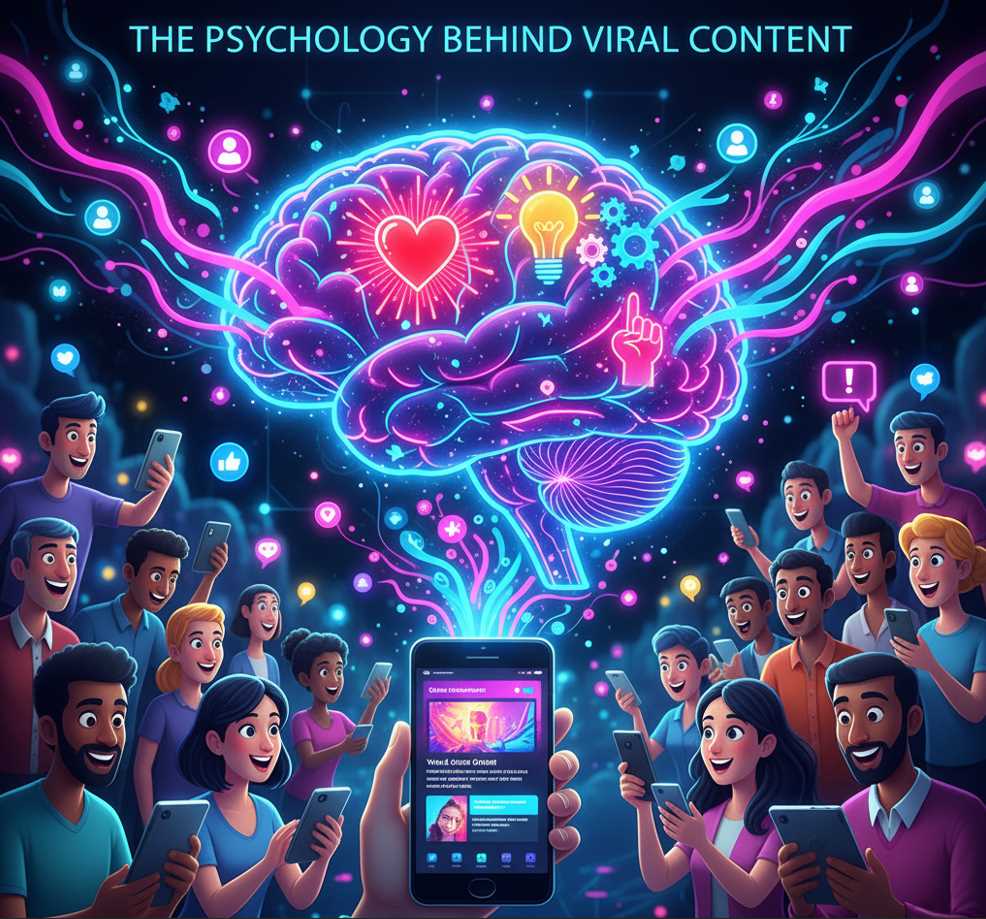
The Psychology Behind Viral Content
Understanding why people share content is the foundation of any successful viral strategy. Viral content succeeds because it triggers specific psychological responses that make sharing feel necessary rather than optional.
Emotional Intensity Drives Action
The strongest predictor of viral success is emotional intensity. Content that generates moderate reactions rarely spreads beyond immediate audiences. You need to create content that produces strong emotional responses—whether positive or negative—to achieve viral status.
Research consistently shows that positive emotions like amusement, awe, and inspiration generate more shares than negative emotions. However, controversial content can also achieve virality through polarizing responses that spark debate and discussion.
The key is creating content that makes people feel something powerful enough that they want to share that feeling with others. This emotional connection becomes the fuel that powers viral spread.
Social Currency and Personal Branding
People share content that makes them look good to their networks. This concept of social currency explains why individuals choose to associate themselves with certain content by sharing it.
Content that makes sharers appear knowledgeable, trendy, or socially conscious performs exceptionally well. Similarly, content that provides useful information, entertainment, or insights gives people reasons to share while positioning themselves as helpful resources within their networks.
Your viral content strategy should consider how sharing your content benefits the sharer’s personal brand and reputation within their social circles.
Timing and Cultural Relevance
Content aligned with current events, trending topics, or cultural moments has significantly higher viral potential. This relevance creates an immediate context that audiences can relate to and discuss.
Successful viral content often taps into the collective consciousness at exactly the right moment. This requires staying tuned to cultural conversations, monitoring trending topics, and understanding what resonates with your specific audience at any given time.
The most viral content feels timely and relevant to the current cultural moment, giving people a reason to share it as part of ongoing conversations.
Essential Elements of Viral Content
Certain characteristics consistently appear in content that achieves viral success. Understanding and incorporating these elements increases your chances of creating shareable content.
Visual-First Approach
Visual elements significantly impact viral potential. Eye-catching images, compelling videos, and well-designed graphics increase engagement rates and sharing likelihood. Visual content processes faster than text, making it more suitable for social media consumption patterns.
Video content shows particularly strong viral potential across platforms. Short-form videos that tell complete stories or deliver quick entertainment often achieve higher engagement rates than longer content formats. Your strategy should prioritize visual storytelling over text-heavy approaches.
High-quality visuals don’t necessarily mean expensive production. Authentic, relatable visuals often perform better than overly polished content that feels disconnected from audience experiences.
Authenticity Over Perfection
Audiences respond more positively to authentic content that feels genuine rather than overly promotional. Relatable content that reflects common experiences, challenges, or emotions creates stronger connections with audiences.
This doesn’t mean your content should be amateurish. Rather, it should feel honest and human, avoiding overly polished messaging that might seem disconnected from audience experiences. Behind-the-scenes content, user-generated content, and real customer stories often perform better than highly produced marketing materials.
Authentic content feels more trustworthy and shareable because it doesn’t trigger the mental barriers people have developed against traditional advertising.
Simple and Immediate Impact
Viral content typically communicates its message quickly and clearly. Complex concepts or lengthy explanations rarely achieve viral status because they require too much cognitive effort from audiences.
Simple, focused messaging that can be understood within seconds performs better than nuanced or complicated content. This simplicity extends to visual design, where clean, uncluttered layouts improve comprehension and sharing likelihood.
The best viral content delivers its payoff quickly, respecting the fast-paced nature of social media consumption where attention spans are measured in seconds.
The Role of Distribution in Making Content Go Viral
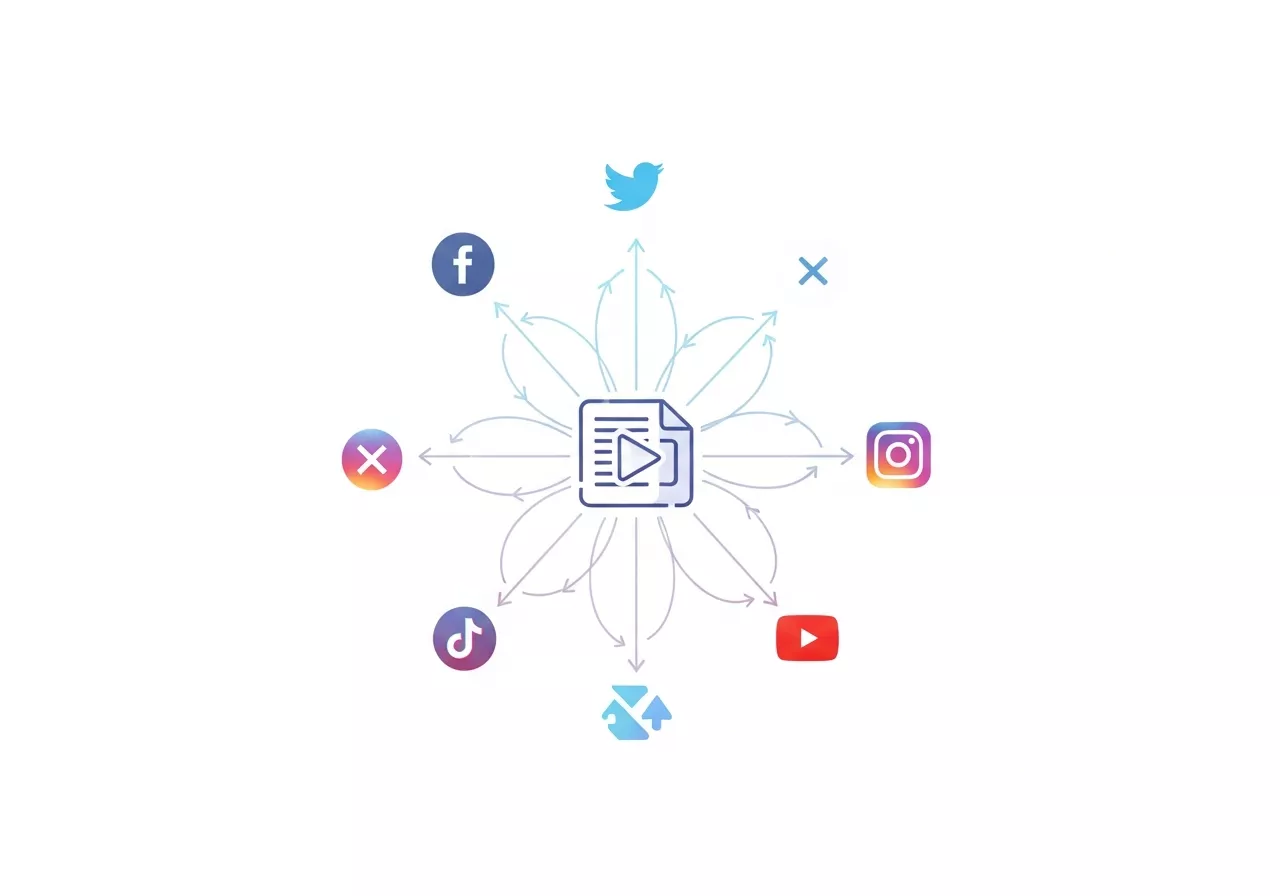
Even the best content cannot go viral without intentional, strategic distribution. Many marketers assume virality happens “naturally,” but behind nearly every viral moment is a well-executed distribution plan. Distribution determines how fast content spreads, which audiences encounter it first, and how algorithms respond in the crucial early hours. Viral content relies on momentum, and momentum comes from properly seeding your content across platforms where your audience is already active. Understanding distribution channels, timing, and amplification tactics significantly increases viral potential—even before organic sharing kicks in.
Key Distribution Strategies
- Seed Content in High-Engagement Communities: Subreddits, Facebook Groups, niche forums, and Discord communities accelerate early engagement.
- Use Influencer Micro-Amplification: Smaller influencers often give stronger, more authentic boosts than large creators.
- Repurpose for Multiple Platforms: Adapt your content for TikTok, YouTube Shorts, Instagram Reels, LinkedIn, and X to multiply exposure.
- Leverage Cross-Promotion: Add your viral-intent content to newsletters, blogs, and internal audience channels.
- Use Paid “Spark” Ads Wisely: Small budget boosts in the first hour help algorithms pick up content sooner.
Signs Your Distribution Strategy Is Working
- Rapid early comments within 5–10 minutes
- Broad audience penetration beyond your followers
- Algorithm-driven reach increases after the first hour
- Discovery traffic surpasses follower-based traffic
Viral Content Formats That Work Consistently
Not all content formats perform equally—some structures are naturally more shareable. Viral content usually follows formats that deliver instant value, evoke emotion, or offer novelty. Understanding which formats historically perform well allows creators to design content with built-in viral potential. Below is a breakdown of high-performing content formats and why they trigger sharing behavior.
Popular Viral Content Formats
- Reaction-Driven Videos — surprising, shocking, or heartwarming.
- Challenge or Trend Participation — takes advantage of existing cultural momentum.
- Educational “Micro-Lessons” — quick tips that instantly improve users’ lives.
- Relatable Humor or Memes — fast-consuming, highly shareable.
- Social Experiments/Storytelling — emotional narratives that captivate.
- Transformation or Before-After Content — satisfying and visual.
Table: Viral Content Formats vs. Performance Strengths
| Format Type | Best Platform(s) | Strengths | Why It Goes Viral |
|---|---|---|---|
| Short-form video (Reels/Shorts) | TikTok, Instagram, YouTube | High watch rate, fast shareability | Quick emotional payoff + algorithm favors short content |
| Memes & relatable humor | Instagram, X, Facebook | Easy to consume and spread | Encourages tagging, remixing, and resharing |
| Educational micro-tips | LinkedIn, TikTok, YouTube | High value, saves time | People share to “be helpful” and build social currency |
| Story-based content | TikTok, YouTube, Facebook | Emotional depth, longer retention | Strong emotional engagement → high comment activity |
| Social experiments | YouTube, TikTok | Highly entertaining and surprising | Triggers curiosity and discussion |
| Transformation content | Instagram, TikTok | Visually satisfying | High replay value + dramatic before/after impact |
How to Choose the Right Format
- Match content type to platform behavior (e.g., TikTok = trends, LinkedIn = insights).
- Consider whether your content is meant to educate, entertain, or inspire.
- Choose formats that align with your brand voice and audience expectations.
Strategic Approaches to Viral Success

While viral success can never be guaranteed, certain strategies can significantly increase your content’s viral potential. Developing a comprehensive viral content marketing strategy ensures that each piece of content is created with both creativity and measurable goals in mind. This strategy encompasses audience research, trend monitoring, storytelling, platform-specific optimization, and performance measurement, providing a systematic framework that maximizes the chances of content spreading organically and delivering meaningful business results.
Deep Audience Understanding
A critical step in how to create viral content is knowing your audience deeply. Beyond demographics, you need to explore psychographics, social media habits, and content consumption patterns to craft content that resonates and is shared widely.
Your audience research should extend beyond basic demographics to include psychographic information, social media behaviors, and content consumption patterns. This deeper understanding enables more targeted content creation that speaks directly to audience interests and motivations.
Analyze your most successful content to identify patterns in what resonates with your audience. Look at comments, shares, and engagement patterns to understand what emotional triggers work best for your specific community.
Trend Monitoring and Smart Participation
Monitoring trending topics, hashtags, and cultural conversations provides opportunities to create timely, relevant content. However, your participation in trends should feel natural and authentic rather than forced or opportunistic.
Trend participation works best when you can add unique perspectives or value to existing conversations rather than simply jumping on popular topics without meaningful contribution. Develop a system for monitoring trends across multiple platforms and industries, not just your immediate niche.
Create content calendars that account for predictable trending opportunities like holidays, industry events, and seasonal moments, while maintaining flexibility to capitalize on unexpected viral moments.
Storytelling That Compels Sharing
Storytelling is central to how to create viral content. Stories that evoke emotion, surprise, or inspiration are far more likely to be shared than purely informational content. Personal stories, customer success cases, and behind-the-scenes narratives provide high viral potential.
Effective viral stories often follow familiar narrative structures while incorporating unexpected elements or emotional payoffs. Personal stories, behind-the-scenes content, and customer success stories can all serve as foundations for viral content.
Focus on stories that connect to universal human experiences while maintaining relevance to your brand and audience. The best viral stories feel personal and relatable while delivering clear value or entertainment.
Platform-Specific Optimization
Different social media platforms have unique characteristics that influence viral potential. Content should be optimized for each platform’s specific format requirements, audience behaviors, and algorithmic preferences.
What works on TikTok may not succeed on LinkedIn, and content that performs well on Instagram might not resonate on Twitter. Understanding these platform differences enables more strategic content creation and distribution.
Develop platform-specific content strategies that leverage each platform’s unique strengths while maintaining consistent brand messaging across channels.
Measuring Viral Content Success
Defining and measuring viral content success requires establishing clear metrics and benchmarks that align with business objectives.

Engagement Growth Patterns
Traditional engagement metrics like likes, shares, comments, and saves provide immediate indicators of content performance. However, viral content success should be measured by the rate of engagement growth rather than absolute numbers.
Viral content typically shows exponential growth patterns in engagement metrics over short timeframes. Tracking these growth rates helps identify when content is gaining viral traction and informs future content strategy decisions.
Monitor engagement velocity—how quickly engagement accumulates after publication—as a key indicator of viral potential. Content that gains significant engagement within the first few hours often continues to viral success.
Reach and Amplification Metrics
Viral content achieves a reach that significantly exceeds normal content performance. Monitoring reach metrics helps quantify viral impact and understand how far content has spread beyond its original audiences.
Organic reach growth provides the most meaningful indicator of viral success, as it represents authentic audience interest rather than paid promotion results. Track share-to-impression ratios to understand how compelling your content is to audiences.
Analyze reach expansion patterns to understand how content spreads through different audience segments and platforms. This information helps optimize future content for maximum amplification potential.
Business Impact Measurement
Viral content should ultimately drive business results, whether through increased brand awareness, website traffic, or conversions. Measuring these downstream effects helps evaluate the true value of viral content beyond vanity metrics.
Brand mention tracking, sentiment analysis, and attribution modeling can help connect viral content performance to broader business objectives and ROI. Monitor website traffic spikes, lead generation increases, and sales attribution from viral content campaigns.
Track long-term brand awareness metrics to understand how viral moments contribute to sustained business growth rather than just temporary attention spikes.
Managing Viral Content Risks
Viral content marketing presents several challenges and risks that brands must consider and prepare for.
Preparing for Loss of Control
Once content goes viral, brands lose control over how it’s shared, discussed, or interpreted. This loss of control can lead to unintended consequences, including negative associations or misunderstandings.
Prepare for viral success by developing crisis communication plans and monitoring systems to track how content is being received and discussed across platforms. Establish response protocols for different scenarios, from positive viral success to negative backlash.
Create content approval processes that consider potential viral scenarios and unintended interpretations. Sometimes the content that goes viral isn’t what you expect, so prepare for various outcomes.
Capitalizing on Short-lived Impact
Viral content often has brief lifecycles, generating intense attention for short periods before being replaced by new trends. This ephemeral nature can limit long-term brand-building benefits.
Develop strategies for capitalizing on viral moments while they occur, including follow-up content and conversion optimization tactics that transform temporary attention into lasting relationships.
Create rapid response systems that allow you to quickly scale successful content, launch follow-up campaigns, and direct viral traffic toward business objectives like email signups or product purchases.
Building Your Viral Content Team
Successful viral content marketing requires diverse skills and perspectives working together effectively.

Creative and Strategic Collaboration
Build cross-functional teams that combine creative talent with strategic thinking. Viral content often requires diverse perspectives and skills, from content creation and design to data analysis and community management.
Establish collaborative processes that allow creative and strategic team members to work together from concept through execution. Regular brainstorming sessions, feedback loops, and performance reviews help optimize team effectiveness.
Create clear roles and responsibilities while maintaining flexibility for rapid response to viral opportunities. The best viral content teams can move quickly while maintaining quality standards.
Real-time Monitoring and Response
Invest in monitoring and analytics tools that provide real-time insights into content performance. Quick identification of viral potential enables rapid optimization and promotion that can amplify success.
Establish monitoring protocols that track content performance across multiple platforms and metrics. Automated alerts for significant performance changes help teams respond quickly to viral opportunities.
Train team members to recognize early indicators of viral potential and respond appropriately with promotion, engagement, and follow-up content strategies.
Your Path to Viral Content Success
Creating viral content requires a systematic approach that balances creativity with strategic planning. Start by establishing clear objectives that align with broader business goals, whether increasing brand awareness, driving website traffic, or generating leads.
Develop content creation processes that prioritize emotional connection, authenticity, and simplicity while remaining flexible enough to capitalize on trending opportunities.
FAQ: Creating Viral Content (Comprehensive Guide)
1. What makes content go viral?
Content becomes viral when it triggers strong emotions, is easy to share, aligns with cultural moments, and reaches the right audience quickly through strong distribution channels. Viral content also benefits from luck and timing.
2. Is it possible to guarantee viral content?
No. Virality cannot be guaranteed because it depends on audience behavior, platform algorithms, and timing. However, you can significantly increase your chances with strong storytelling, emotional triggers, and strategic distribution.
3. How important is emotional appeal in viral content?
Emotional intensity is the #1 driver of virality. Content that evokes awe, amusement, inspiration, surprise, or controversy is far more likely to be shared than neutral or informational content.
4. Do I need a large audience to go viral?
Not necessarily. Even creators with small audiences can go viral if their content resonates strongly and is amplified by engagement, shares, and platform algorithms.
5. What platforms are best for viral content?
Platforms with fast-sharing mechanisms work best, including:
- TikTok
- Instagram Reels
- YouTube Shorts
- X (Twitter)
The ideal platform depends on your audience and content format.
6. Does video perform better than text or images?
Yes. Short-form video has the highest viral potential across most platforms due to its shareability, emotional impact, and algorithmic boost. However, memes, visuals, and threads can also go viral depending on platform.
7. What role does distribution play in virality?
Distribution is crucial. Even the best content won’t go viral if people don’t see it. Using influencers, social sharing loops, paid boosts, communities, and cross-platform posting increases exposure and viral potential.
8. How can I identify if a trend is worth joining?
A trend is worth jumping into if:
- It aligns with your brand
- Your audience will engage with it
- You can add a unique twist
- You can publish quickly before the trend peaks
Avoid trends that feel forced or irrelevant to your niche.
9. How do I measure viral content success?
Key metrics include:
- Engagement velocity (speed of likes/shares/comments)
- Organic reach
- Share rate
- Follower growth
- Website traffic
- Conversion lift
True viral content shows exponential growth within hours.
10. What should I do after a piece of content goes viral?
Capitalize immediately by:
- Posting follow-up content
- Adding clear CTAs
- Directing traffic to your website, offers, or profiles
- Engaging heavily in comments
- Turning viral attention into subscribers or leads
Virality is short-lived—act fast.
11. Can negative or controversial content go viral?
Yes, but it’s risky. Controversial content may bring attention but can damage trust, trigger backlash, or disrupt brand reputation. Brands should avoid controversy unless it’s handled strategically and aligns with their values.
12. How often should I post if I want to create viral content?
Consistency matters more than frequency. Aim for:
- 3–6 high-quality posts/week
- Daily for TikTok or Twitter
- 1–3 Reels/Shorts per week
Quality, emotional impact, and timing matter more than volume.
13. Do influencers help in going viral?
Absolutely. Collaborating with influencers increases content reach, credibility, and shareability. One strong influencer’s share can instantly trigger the viral snowball effect.
14. Why do some high-quality posts fail to go viral?
High-quality ≠ viral. Content fails to go viral due to multiple factors, including:
- Poor timing
- Weak emotional triggers
- Weak distribution
- Wrong platform
- No story or relatability
- Overly promotional tone
Virality requires the right mix, not just quality production.
15. How do I create content that people want to share?
Focus on content that provides:
- Strong emotion
- Relatability
- Value (tips, hacks, insights)
- Entertainment
- Personal identity reinforcement (makes the sharer look good)
People share content that reflects who they are or how they want to be perceived.
Learn more about: The Psychology Behind Viral Content: Why We Share








Leave a Reply