


Viral marketing leverages shareable content, emotional triggers, and strategic distribution to ignite organic growth. By crafting engaging campaigns, using psychological insights, and scaling across platforms, brands can amplify reach, drive engagement, and achieve exponential visibility in today’s digital landscape.
In today’s hyper-connected digital landscape, capturing audience attention is harder than ever. Yet when a campaign truly resonates, it can spread like wildfire—reaching millions overnight. This phenomenon, known as viral marketing, leverages shareable content, emotional triggers, and strategic distribution to ignite organic growth. In this comprehensive guide, we’ll demystify the core principles of viral marketing, showcase real-world successes, and share actionable tactics you can deploy immediately to boost your brand’s visibility. Whether you’re a startup founder, a marketing manager, or a content creator, these insights will help you craft campaigns that not only grab attention but also encourage enthusiastic sharing.
What Is Viral Marketing?
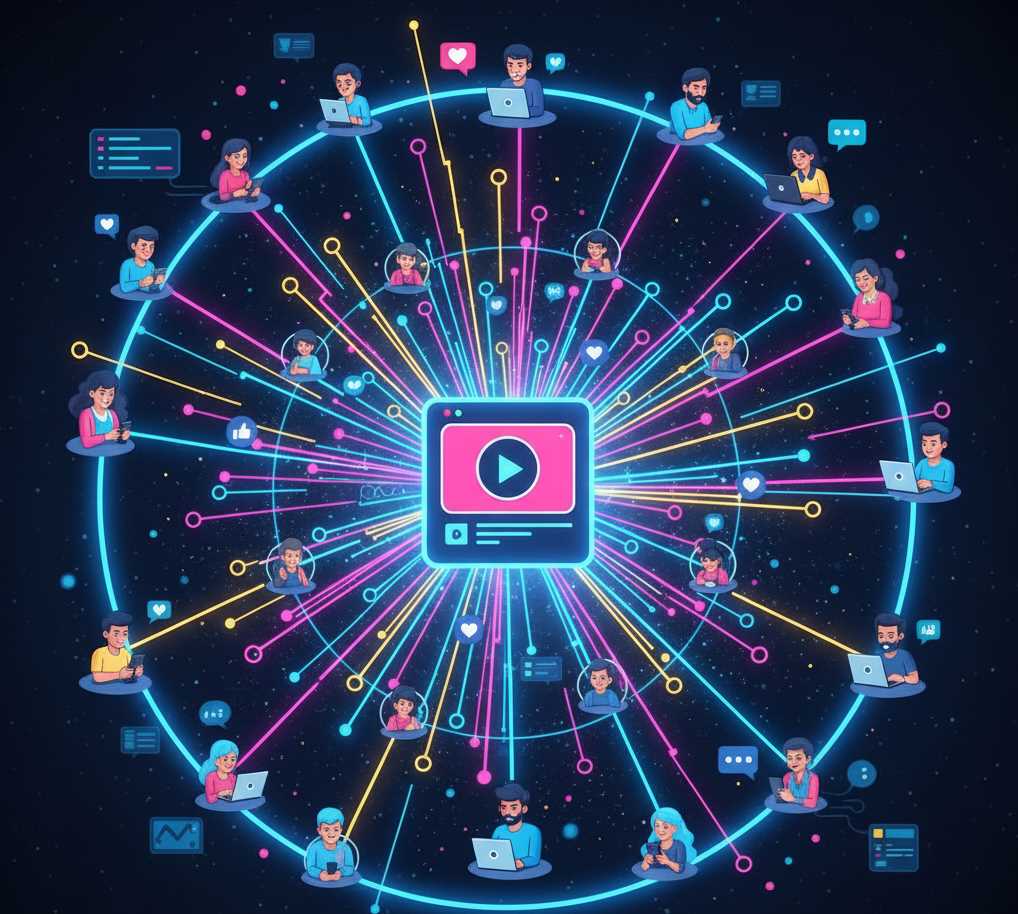
Viral marketing refers to strategies designed to encourage individuals to share marketing messages with their networks, thereby exponentially increasing the campaign’s reach. Unlike paid ads that depend on budget allocation, viral campaigns rely on organic word-of-mouth and social sharing to spread. At its core, viral marketing combines creativity, emotion, and strategic seeding to motivate users to become brand advocates. When executed correctly, it can yield massive exposure at a fraction of traditional advertising costs, driving brand awareness, website traffic, and conversions in a remarkably short timeframe.
Why Viral Marketing Matters
The appeal of viral marketing lies in its potential for exponential reach. A single share by a key influencer or an enthusiastic fan can trigger a chain reaction, propelling your message across platforms. Beyond sheer volume, viral campaigns often generate social proof: seeing peers share content builds trust and credibility. Additional benefits include improved SEO through increased backlinks, heightened audience engagement, and the chance to establish a memorable brand identity. In short, a successful viral effort can deliver unparalleled ROI and set your brand apart in saturated markets.
Key Elements of a Viral Campaign
- Emotional Resonance: Content that evokes laughter, surprise, or inspiration is more likely to be shared.
- Shareability: Clear calls-to-action and easy sharing options encourage distribution.
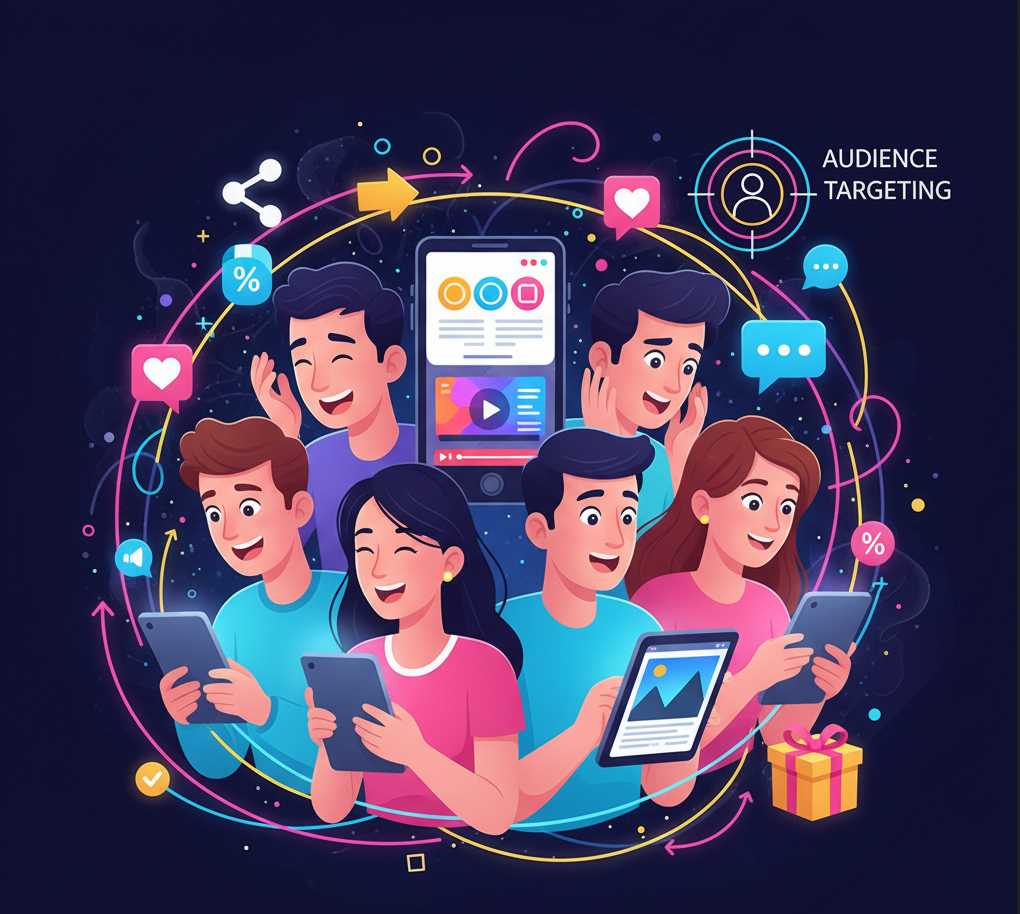
- Audience Targeting: Craft messages that align with your ideal customer’s values and interests.
- Incentives: Contests, discounts, or exclusive access can accelerate sharing behavior.
- Multimedia Content: Videos, interactive quizzes, and stunning visuals boost engagement.
10 Proven Viral Marketing Strategies
To maximize the impact of these strategies, it’s helpful to view them through the lens of a Viral Marketing Funnel. This funnel maps out the journey from initial awareness to active sharing, showing how content moves audiences from discovery to advocacy. At the top, engaging content captures attention; in the middle, interactive campaigns and emotional storytelling deepen engagement; and at the bottom, referral programs and user-generated content convert engaged users into brand promoters who amplify your reach organically. Applying a Viral Marketing Funnel framework ensures that every piece of content contributes to systematic, scalable virality rather than relying on chance.
- Interactive Content: Create quizzes, polls, or calculators that prompt users to input data and share results. These tools generate personalization and curiosity, making participants more likely to post their outcomes on social media and challenge friends.
- Influencer Partnerships: Collaborate with micro- and macro-influencers who align with your brand values. Authentic endorsements from trusted voices can accelerate content dissemination and drive meaningful discussions around your product or service.
- User-Generated Content Campaigns: Invite customers to submit photos, videos, or testimonials showcasing your product in action. Highlighting real stories not only boosts credibility but also creates a library of shareable content you can recycle.
- Contests and Giveaways: Offer compelling prizes in exchange for likes, shares, and follower tags. Contests tap into competitive spirit and reward participation—key drivers of viral loops.
- Storytelling and Emotional Hooks: Craft narratives that tap into universal emotions like joy, nostalgia, or empathy. Stories humanize brands and encourage audiences to become part of the journey by sharing heartfelt content.
- Meme and Trend Hijacking: Stay nimble by riding emerging cultural trends or memes. Timely, humorous takes on popular topics can resonate deeply and earn rapid shares across platforms.
- Video Marketing and Short-Form Content: Leverage TikTok, Instagram Reels, or YouTube Shorts to deliver bite-sized, entertaining videos. The algorithmic push for novel content increases the likelihood of discovery and sharing.
- Referral and Ambassador Programs: Reward customers for referring friends with discounts or exclusive perks. Peer recommendations carry strong influence, turning satisfied users into active promoters.
- Mobile-First Optimization: Ensure your site and content load quickly on smartphones. Mobile usability and seamless sharing buttons are essential for capturing on-the-go audiences.
- Email Marketing with Share Triggers: Incorporate “Tweet This” or “Share on Facebook” prompts directly within your newsletters. When readers find value in your insights, these triggers make it effortless to spread the word.
Viral Marketing Strategies, Examples, and Expected Outcomes
| Strategy | Description | Real-World Example | Expected Outcome |
|---|---|---|---|
| Interactive Content | Quizzes, polls, or calculators that engage users and encourage sharing | BuzzFeed quizzes prompting users to share results | High engagement, increased shares, and brand visibility |
| Influencer Partnerships | Collaborating with micro or macro influencers to amplify reach | Daniel Wellington’s influencer campaigns for watches | Rapid awareness, credibility boost, and conversions |
| User-Generated Content | Customers create content showcasing products | Starbucks #RedCupContest encouraging photos of holiday cups | Organic engagement, community building, and content library |
| Contests & Giveaways | Incentivized sharing to enter contests | Coca-Cola’s Share a Coke campaign | Increased social shares, email list growth, and brand loyalty |
| Storytelling & Emotional Hooks | Narrative-driven campaigns that evoke strong emotions | ALS Ice Bucket Challenge | Massive social sharing, donations, and awareness |
| Meme & Trend Hijacking | Leveraging current trends or memes | Old Spice “The Man Your Man Could Smell Like” series | Fast virality, cultural relevance, and sales growth |
| Video & Short-Form Content | Engaging short videos optimized for mobile | Dollar Shave Club’s humorous launch video | High viewership, social shares, and product orders |
| Referral & Ambassador Programs | Reward customers for referrals | Dropbox’s early referral program offering extra storage | User growth, increased brand advocacy, and retention |
Crafting a Viral Marketing Content Calendar
A viral marketing campaign isn’t just about a single post—it’s about consistent, strategic content that builds momentum. A content calendar helps you plan, schedule, and measure content for maximum reach and shareability.
Key Steps to Build Your Calendar:
- Identify Core Themes: Decide on 3–5 core themes aligned with your brand values and audience interests. For example, humor, educational content, or social impact.
- Map Platform-Specific Content: Tailor content types for each platform. Short-form videos may work best on TikTok and Instagram Reels, while memes or infographics perform well on Twitter and LinkedIn.
- Schedule Around Key Dates: Incorporate holidays, seasonal events, product launches, and trending cultural moments. Timing boosts shareability and relevance.
- Frequency and Consistency: Post consistently without overwhelming your audience. For instance, 3–5 short-form posts per week and 1 long-form post per month can maintain engagement.
- Engagement Windows: Schedule content during peak engagement hours for your audience, which can be tracked via analytics tools.
Benefits of a Viral Content Calendar:
- Ensures your campaigns are timely and strategic.
- Prevents content gaps and reduces last-minute scrambling.
- Makes it easier to coordinate influencer partnerships and contests.
By using a content calendar, you can orchestrate a series of viral campaigns that compound their reach over time instead of relying on a one-hit viral miracle.
Leveraging Psychological Triggers in Viral Marketing
Viral campaigns succeed when they tap into human psychology. Understanding what motivates people to share content—through the lens of Viral Marketing Psychology—can dramatically increase the chances of virality.
Powerful Psychological Triggers:
- Emotional Appeal: Content that triggers strong emotions—humor, awe, surprise, or nostalgia—encourages sharing. Emotional stories connect at a personal level.
- Social Proof: Showcasing other people’s engagement (likes, shares, testimonials) increases trust and the likelihood of participation.
- Scarcity & Exclusivity: Limited-time offers, early access, or “members-only” content prompt urgency and sharing to secure participation.
- Reciprocity: Free tools, resources, or giveaways encourage users to share as a “thank you.”
- Identity & Community: Content that reflects audience values or creates a sense of belonging encourages users to share as a declaration of identity.
Application in Campaigns:
For example, a sustainability brand could combine emotional storytelling (real-life environmental impact), social proof (community participation stats), and reciprocity (free reusable kits for sharing) to create a viral loop.
By intentionally integrating psychological triggers, brands move beyond randomness, making content more naturally shareable.
Scaling Viral Marketing Campaigns Across Platforms
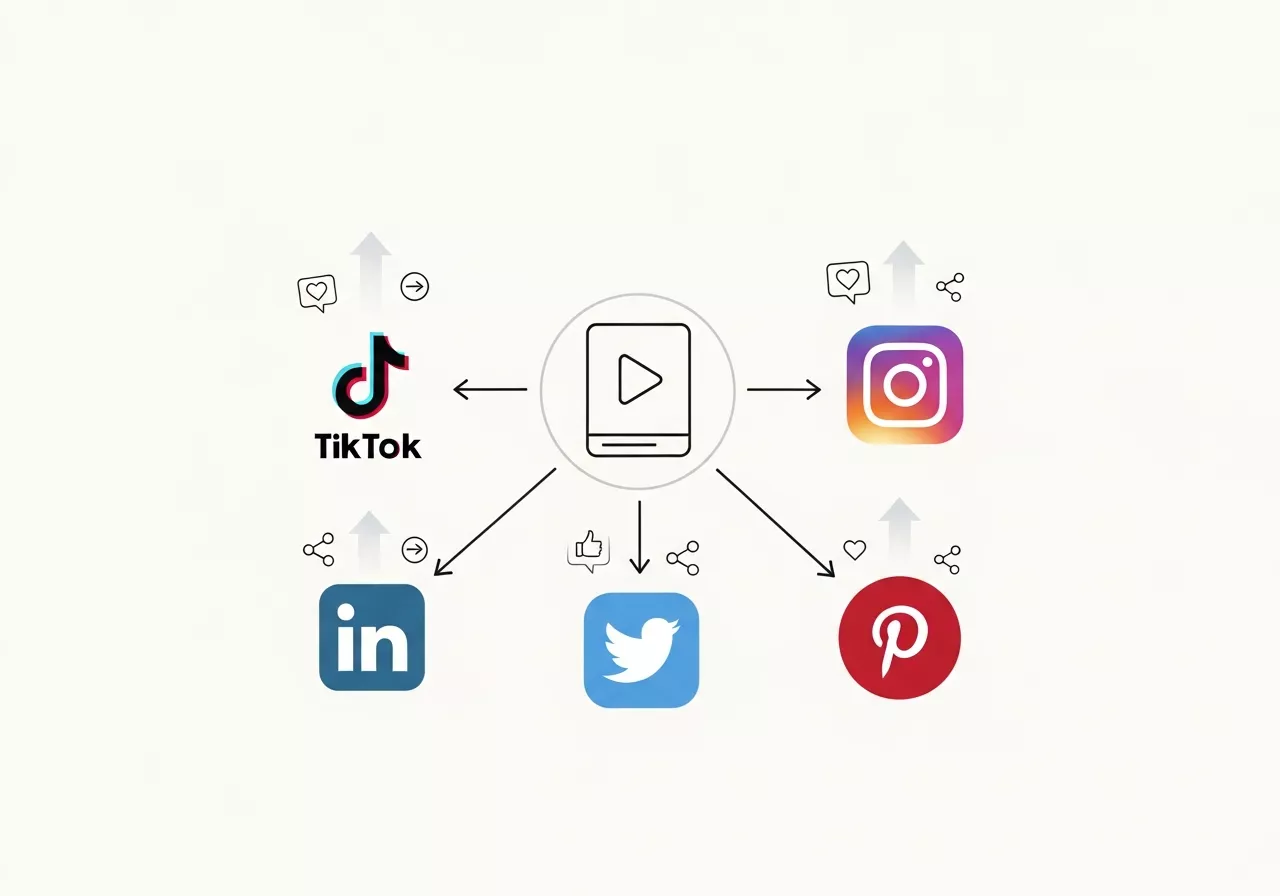
Creating a viral post is one thing; scaling it to maintain momentum across multiple platforms is another. Cross-platform amplification ensures your content reaches diverse audiences and extends its lifespan.
Steps to Scale Effectively:
- Repurpose Content: Transform videos into GIFs, infographics, memes, or carousel posts suitable for each platform.
- Platform-Specific Strategies: Tailor messaging for tone and format. LinkedIn prefers professional, thought-leadership content; TikTok thrives on short, playful, or trend-driven videos.
- Paid Amplification: Use modest ad spend to boost top-performing posts and extend reach to targeted demographics.
- Influencer Syndication: Collaborate with multiple influencers across platforms to replicate virality and increase credibility.
- Monitor Analytics in Real-Time: Track engagement metrics—shares, comments, reach—and pivot strategy to emphasize the best-performing content.
Example of Multi-Platform Scaling:
A humorous campaign may start on TikTok, then be turned into Instagram Reels, Twitter threads, and Pinterest visuals. Each platform taps into different user bases, multiplying reach without creating entirely new content.
Scaling viral campaigns ensures that a moment of virality doesn’t remain isolated but becomes a broader, sustained growth driver for your brand.
Real-World Examples of Viral Marketing
Several brands have mastered the art of going viral. The ALS Ice Bucket Challenge combined philanthropy with a simple video format, raising over $115 million and generating millions of social shares. Dollar Shave Club’s launch video used humor and disruption to garner 12,000 orders in two days. Old Spice’s “The Man Your Man Could Smell Like” series leveraged witty scripting and rapid responses to user comments, resulting in a 107% increase in sales. These campaigns highlight the power of creativity, timing, and audience understanding.
Tips for Boosting Emotional Resonance
Emotions are the engine of virality. To craft emotionally resonant content, focus on authenticity and relatability. Share behind-the-scenes glimpses to humanize your brand. Use storytelling arcs—setup, conflict, resolution—to take viewers on a journey. Incorporate vivid visuals and music to amplify sentiment. Finally, invite your audience to contribute their own feelings or experiences, turning passive viewers into active participants who are eager to share with their networks.
Measuring Viral Marketing Success
Tracking the right metrics is essential to understand what’s working—and what isn’t.
Key performance indicators include:
- Viral coefficient (the average number of new users each existing user brings)
- Share rate
- Engagement rate
- Referral traffic
Supplement with:
- Brand sentiment analysis
- Hashtag performance
- Conversion metrics
Use A/B testing to refine your messaging and distribution channels over time.
Common Pitfalls to Avoid
Even the most creative concepts can fall flat without proper execution. Avoid these common mistakes:
- Skipping audience research, which can lead to tone-deaf content
- Over-branding, which turns off users who seek authenticity
- Neglecting mobile optimization
- Failing to monitor performance in real time, missing opportunities to pivot
- Relying on a single viral hit instead of building a sustainable content strategy
Conclusion
Viral marketing is both an art and a science. By blending emotional storytelling, strategic distribution, and audience-centric design, you can create campaigns that captivate and compel sharing on a massive scale. Remember to test, measure, and iterate—what resonates today might evolve tomorrow. Start small, learn fast, and scale what works. With the tactics outlined above, you’re well-equipped to launch your next viral sensation and propel your brand toward explosive growth.
FAQ: Viral Marketing Strategies
Q1: What makes content go viral?
Content goes viral when it combines emotional resonance, shareability, and timing. Posts that entertain, surprise, or inspire, and are easy to share, naturally prompt audiences to spread the message across networks.
Q2: How long does it take for a campaign to become viral?
Virality can happen within hours or take weeks, depending on content quality, platform, audience engagement, and amplification by influencers. While some campaigns catch fire instantly, sustainable virality often results from consistent, strategic content planning.
Q3: Do viral campaigns require a large budget?
Not necessarily. While paid promotion can boost reach, many viral campaigns rely on creativity, emotional hooks, and social sharing. Small budgets can succeed if content resonates authentically and leverages influencer or community amplification.
Q4: Which platforms are best for viral marketing?
Short-form video platforms like TikTok and Instagram Reels excel at virality, while Twitter, YouTube Shorts, and Pinterest support shareable content and discussions. The best platforms depend on your target audience and the type of content you produce.
Q5: How do I measure the success of a viral campaign?
Key metrics include the viral coefficient (new users brought by existing users), share rate, engagement rate, referral traffic, and conversions. Monitoring sentiment and social media mentions also helps gauge impact beyond raw numbers.
Q6: Can viral marketing work for B2B brands?
Absolutely. While consumer campaigns often rely on humor or trends, B2B virality can be achieved through educational content, industry insights, interactive tools, and case studies that prompt sharing among professionals.
Q7: What are common mistakes to avoid?
Avoid over-branding, skipping audience research, neglecting mobile optimization, and relying on a single viral hit. Also, ensure campaigns are authentic—audiences quickly detect forced or opportunistic content.
Learn more about: AI-Powered Trend Forecasting: Harnessing Machine Learning for Next-Level Marketing








Leave a Reply