


Viral marketing works by tapping into human emotions, social behaviors, and platform dynamics. Brands that leverage storytelling, participation, and cultural relevance can create content that spreads widely while staying ethical and impactful. Understanding these principles helps turn fleeting attention into lasting engagement.
One video, one tweet, one meme—and suddenly millions of people are talking about your brand. Viral marketing might seem like lightning in a bottle, but there’s actually a fascinating science behind why certain campaigns spread like wildfire while others fizzle out completely.
Understanding what makes content go viral isn’t just about luck or timing. It’s about tapping into fundamental human psychology and social behaviors that drive us to share, engage, and connect. This post explores the key psychological triggers that make viral marketing so powerful and how brands can harness these principles to create campaigns that capture attention and spread organically.
The Science of Sharing: What Makes Content Irresistible
Emotional Triggers Drive Action
The most successful viral campaigns share one common trait: they make people feel something intense. Research shows that high-arousal emotions—both positive and negative—are the strongest predictors of viral content.
Joy, surprise, anger, and awe consistently outperform low-energy emotions like sadness or contentment when it comes to sharing behavior. When Dollar Shave Club’s irreverent launch video went viral, it wasn’t just because it was funny—it evoked surprise, delight, and a sense of rebellion against overpriced razors.
Brands that master emotional storytelling create content that viewers can’t help but share. The key is intensity over sentiment. A campaign that makes someone moderately happy might get a like, but one that makes them laugh out loud gets shared with their entire network.
Social Currency: Making People Look Good
People share content that makes them appear smart, funny, or in-the-know. This concept, called social currency, explains why complex dance challenges, insider jokes, and exclusive previews spread so rapidly.
Consider how Tesla’s Cybertruck reveal became viral despite—or perhaps because of—its unconventional design. Early adopters and tech enthusiasts shared their reactions not just about the product, but to signal their position at the cutting edge of innovation.
Smart marketers design campaigns that give their audience something valuable to share. Whether it’s surprising statistics, clever insights, or exclusive access, successful viral content always answers the question: “How does sharing this make me look?”
The Power of Story and Narrative
Humans are wired for storytelling. We remember stories 22 times more effectively than facts alone, and we’re naturally compelled to share narratives that resonate with our own experiences or worldview.
Viral campaigns often follow classic story structures: an underdog facing challenges, a surprising revelation, or a transformation journey. These narratives tap into universal themes that transcend demographics and cultural boundaries.
The most effective viral stories also leave room for interpretation and personal connection. They’re specific enough to be memorable but universal enough for diverse audiences to see themselves in the narrative.
The Role of Visuals and Sensory Engagement in Virality
Visual and sensory elements play a powerful role in triggering psychological responses that make content shareable. Humans process visual information 60,000 times faster than text, making images, videos, and interactive media critical for viral success.
- Memorable Imagery: Content with striking visuals or unusual designs captures attention and encourages sharing. Think of iconic memes or unexpected visual stunts that stay in people’s minds.
- Sensory Stimulation: Sounds, animations, and even haptic experiences (like interactive apps) can create high-arousal emotions, amplifying the likelihood of sharing.
- Consistency with Brand Identity: Visuals that align with the brand’s personality or storytelling enhance recognition and credibility, increasing social currency when shared.
By optimizing for sensory engagement, brands can make their content more emotionally compelling, memorable, and primed for virality.
Psychological Principles That Fuel Viral Success
Social Proof and the Bandwagon Effect
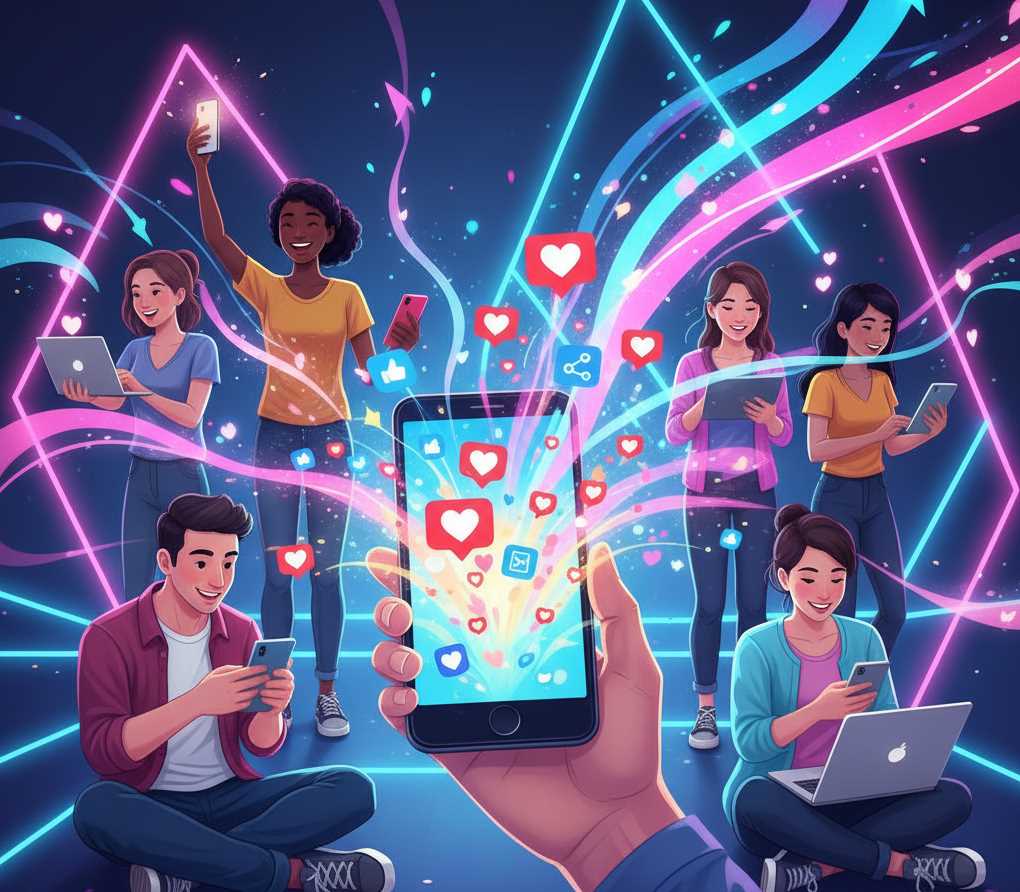
Once content gains initial traction, social proof accelerates its spread exponentially. People are more likely to engage with content that others have already shared, creating a snowball effect that can propel campaigns to viral status.
This psychological principle explains why early momentum is crucial for viral success. The first 1,000 shares are often more valuable than the next 10,000 because they establish the social proof needed for widespread adoption.
Platforms like TikTok and Instagram amplify this effect with features that highlight trending content, making popular posts even more visible and shareable.
The Need for Connection and Community
Viral content often creates a sense of shared experience or inside knowledge among participants. Challenges, hashtags, and movements succeed because they offer people a way to connect with others around a common interest or cause.
The Ice Bucket Challenge demonstrated this perfectly. Participants weren’t just raising money for ALS research—they were joining a global community of people taking action together. The campaign’s viral nature came from its ability to make individual participation feel like part of something bigger.
Timing and Cultural Relevance
Viral campaigns often succeed by tapping into current events, cultural moments, or emerging business trends. Content that feels timely and relevant gives people a reason to share immediately rather than later. By monitoring trends in your industry, marketers can align campaigns with what audiences are already paying attention to, increasing the likelihood of engagement and virality. This approach is why newsjacking—or integrating your brand into trending conversations—can be so effective when done authentically.
This principle explains why newsjacking—the practice of inserting your brand into trending conversations—can be so effective when done thoughtfully. The key is authentic relevance, not forced connections to whatever happens to be trending.
The Role of Cognitive Biases in Viral Marketing
Viral marketing psychology isn’t just about emotions—it’s also influenced by subtle cognitive biases that shape human decision-making. People are wired to notice patterns, follow trends, and mimic others’ behaviors. Leveraging these biases can increase the likelihood of content being shared.
- Reciprocity: Users are more likely to share content when they feel they’ve received value, such as free tips, entertaining insights, or exclusive information.
- Scarcity: Limited-time campaigns, exclusive offers, or “only a few spots left” messaging can drive urgency and sharing.
- Authority: Content endorsed by experts or influencers carries more weight and is more likely to be circulated.
- Anchoring: Presenting surprising statistics or attention-grabbing comparisons creates mental reference points, making the content more memorable and shareable.
By understanding these cognitive shortcuts, brands can design campaigns that naturally tap into how people think, increasing the chances of virality.
The Role of Platform Dynamics
Algorithm Amplification
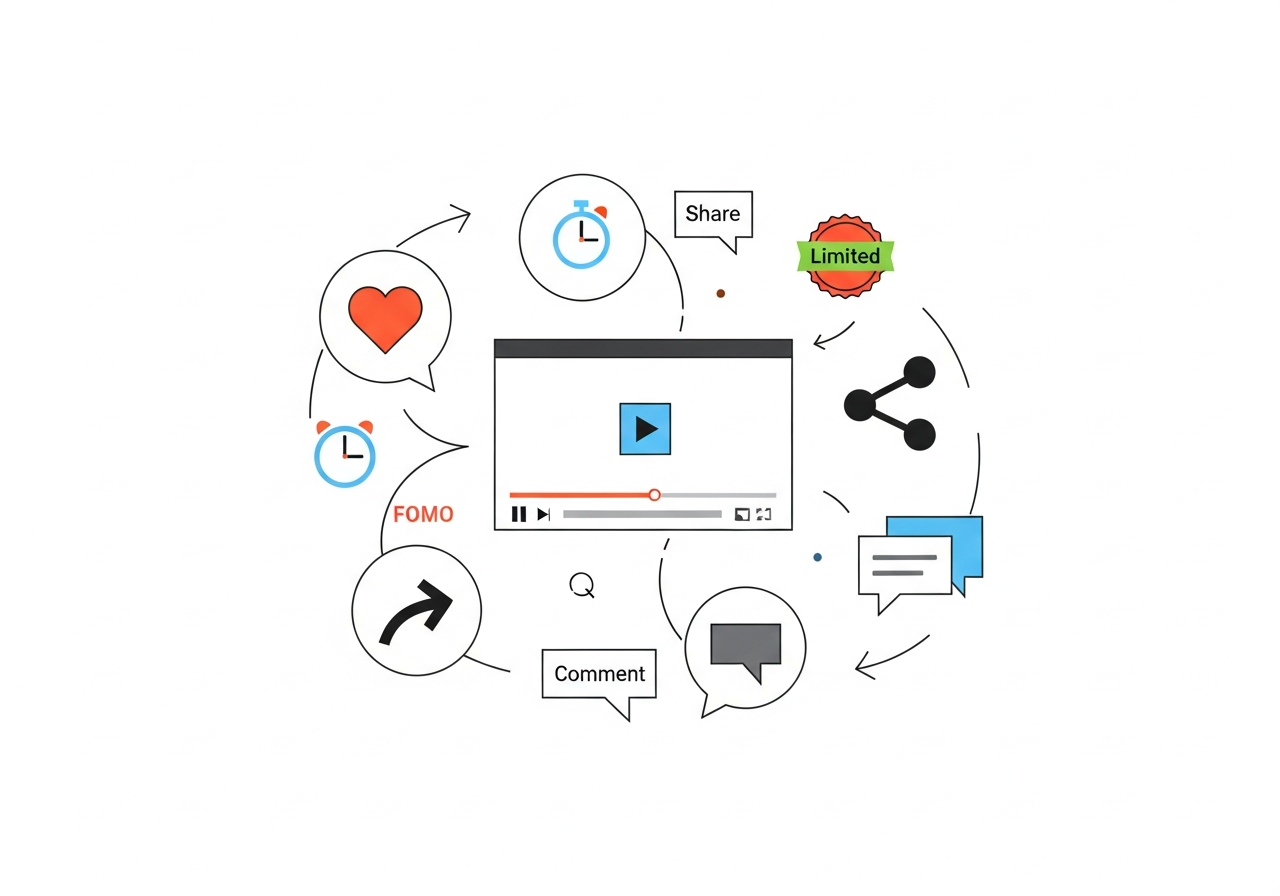
Social media algorithms play a crucial role in viral success by rewarding content that generates high engagement quickly. Posts that receive rapid likes, comments, and shares get pushed to more users, creating a feedback loop that can turn moderately popular content into viral sensations. Understanding platform-specific dynamics is essential for viral marketing success. For instance, viral marketing on TikTok leverages the platform’s “For You Page” algorithm, which rewards creativity and early engagement, allowing even small accounts to reach millions of viewers overnight. What works on TikTok’s algorithm may not translate to LinkedIn’s professional network or Twitter’s real-time conversation format.
Format and Accessibility
Viral content is typically easy to consume and share. Short videos, simple images with text, and snackable formats perform better than long-form content in viral contexts.
The most successful viral campaigns are also platform-native. They don’t feel like advertisements adapted for social media—they feel like natural extensions of the platform’s existing content ecosystem.
Leveraging FOMO and Participation Loops
The fear of missing out (FOMO) and participatory mechanics are strong psychological triggers for viral behavior. People are naturally drawn to experiences that seem exclusive, limited, or socially rewarding.
- FOMO (Fear of Missing Out): Highlighting scarcity, limited-time events, or insider opportunities encourages audiences to engage and share before it’s “too late.”
- Participation Loops: Campaigns that require user interaction, such as challenges, polls, or remixable content, create feedback loops where participation inspires more participation.
- Gamification: Leaderboards, badges, or rewards for sharing incentivize users to promote campaigns within their networks, amplifying reach.
Incorporating FOMO and participatory elements not only increases engagement but also activates the social and cognitive triggers that drive viral marketing psychology.
User-Generated Content and Participation
The most powerful viral campaigns don’t just ask people to share—they invite them to participate and create. When users become co-creators rather than passive consumers, they develop a stronger emotional investment in the campaign’s success.
Challenges, hashtags, and remix culture all tap into this participatory dynamic. Users feel ownership over their contributions, making them more likely to promote the campaign within their networks.
The Dark Side of Viral Marketing

Unpredictability and Risk
Viral campaigns can spiral beyond a brand’s control. What starts as a positive buzz can quickly turn negative if the campaign is misinterpreted or if cultural contexts change rapidly.
Brands must be prepared for both positive and negative viral outcomes. Crisis management plans and rapid response capabilities are essential components of any viral marketing strategy.
Short-Lived Impact
Viral attention often fades as quickly as it arrives. The same psychological principles that drive rapid sharing also contribute to shortened attention spans and quick movement to the next trending topic.
Successful brands plan for post-viral engagement, having strategies ready to convert temporary attention into lasting relationships with their audience.
Ethical Considerations in Viral Marketing Psychology
While viral campaigns can drive immense attention, it’s important to balance impact with responsibility. Manipulating emotions or social behaviors can backfire if audiences feel exploited or misled.
- Transparency: Ensure campaigns are authentic and don’t misrepresent facts or intentions.
- Cultural Sensitivity: Avoid content that could unintentionally offend specific communities or demographics.
- Avoid Emotional Exploitation: While tapping into emotions is key, brands should not exploit trauma, fear, or controversial events solely for shares.
- Data Privacy: If campaigns involve user-generated content or participation, always respect privacy laws and consent regulations.
Ethical viral marketing strengthens brand trust and ensures long-term loyalty, making campaigns both impactful and sustainable.
Turning Viral Principles into Marketing Strategy
Understanding why viral marketing works is only the first step. The real challenge lies in applying these psychological principles to create campaigns that genuinely connect with audiences while serving business objectives.
Start by identifying the emotions and stories that naturally align with your brand values. The most authentic viral campaigns don’t feel manufactured—they feel like organic extensions of what the brand already represents.
Focus on creating content that provides genuine value to your audience, whether that’s entertainment, information, or social currency. Viral marketing works best when it doesn’t feel like marketing at all.
Measuring the Psychology of Virality: Metrics That Matter
Understanding viral marketing psychology is only useful if brands can measure how well their content triggers sharing behaviors. Beyond likes and shares, deeper psychological engagement can be tracked using specific metrics:
-
Share Rate per Impression: How many users actively share the content relative to the number of people who saw it.
-
Sentiment Analysis: Tracks emotional reactions to content using comments, reactions, and social listening tools. Positive or high-arousal responses indicate strong emotional impact.
-
Engagement Depth: Measures actions beyond superficial likes, such as commenting, tagging friends, or participating in challenges.
-
Network Reach: Examines how far content travels beyond your immediate audience, indicating whether it has reached secondary and tertiary social circles.
Tracking these metrics helps marketers understand which psychological triggers are working and optimize future campaigns for higher virality.
Finally, remember that viral success often comes from understanding your audience deeply enough to predict what they’ll want to share. The brands that consistently create viral content are those that truly know their communities and can tap into their collective psychology.
Viral marketing succeeds because it leverages fundamental aspects of human nature: our need for connection, our desire to look good to others, and our love of compelling stories. By understanding these psychological drivers, brands can create campaigns that not only capture attention but also inspire the kind of authentic sharing that turns customers into advocates.
FAQs: Viral Marketing Psychology
1. What is viral marketing psychology?
Viral marketing psychology studies the human behaviors, emotions, and cognitive triggers that drive people to share content widely. Understanding these principles helps brands create campaigns that are more likely to go viral.
2. Why do some marketing campaigns go viral while others don’t?
Campaigns go viral when they tap into strong emotions, social currency, storytelling, community engagement, timing, and platform dynamics. Content that is surprising, entertaining, or relatable is far more likely to be shared.
3. Which emotions are most effective for viral content?
High-arousal emotions—such as joy, surprise, awe, and even anger—encourage sharing more than low-arousal emotions like sadness or contentment. Intensity matters more than positivity.
4. How do cognitive biases influence viral marketing?
Cognitive biases like reciprocity, scarcity, authority, and anchoring affect how people perceive and share content. Campaigns that leverage these biases can increase engagement and sharing behaviors.
5. Can ethical concerns affect viral marketing success?
Yes. While emotional triggers drive sharing, exploiting emotions or manipulating audiences can backfire. Ethical practices like transparency, cultural sensitivity, and respecting user privacy ensure sustainable engagement and trust.
6. What role do social media algorithms play in virality?
Algorithms amplify content that generates rapid engagement. Platforms like TikTok, Instagram, and Twitter promote posts with high likes, comments, and shares, which can transform moderately popular content into viral hits.
7. How can brands measure the effectiveness of viral campaigns?
Metrics such as share rate per impression, sentiment analysis, engagement depth, and network reach help marketers understand how well content resonates and triggers sharing behaviors.
8. Is virality predictable?
While you can’t guarantee virality, understanding audience psychology, timing, platform dynamics, and engagement strategies significantly increases the likelihood of creating content that spreads widely.
9. How can brands maintain engagement after a viral campaign?
Brands should plan post-viral strategies, such as follow-up content, community engagement, and loyalty programs, to convert short-term attention into lasting relationships with their audience.
10. Can small brands create viral campaigns?
Absolutely. By understanding their audience deeply, leveraging participation, and creating emotionally compelling, platform-native content, even small brands can achieve viral success.
Learn more about: Trend Marketing Mastery: How to Drive Growth with Real-Time Consumer Insights






Leave a Reply