

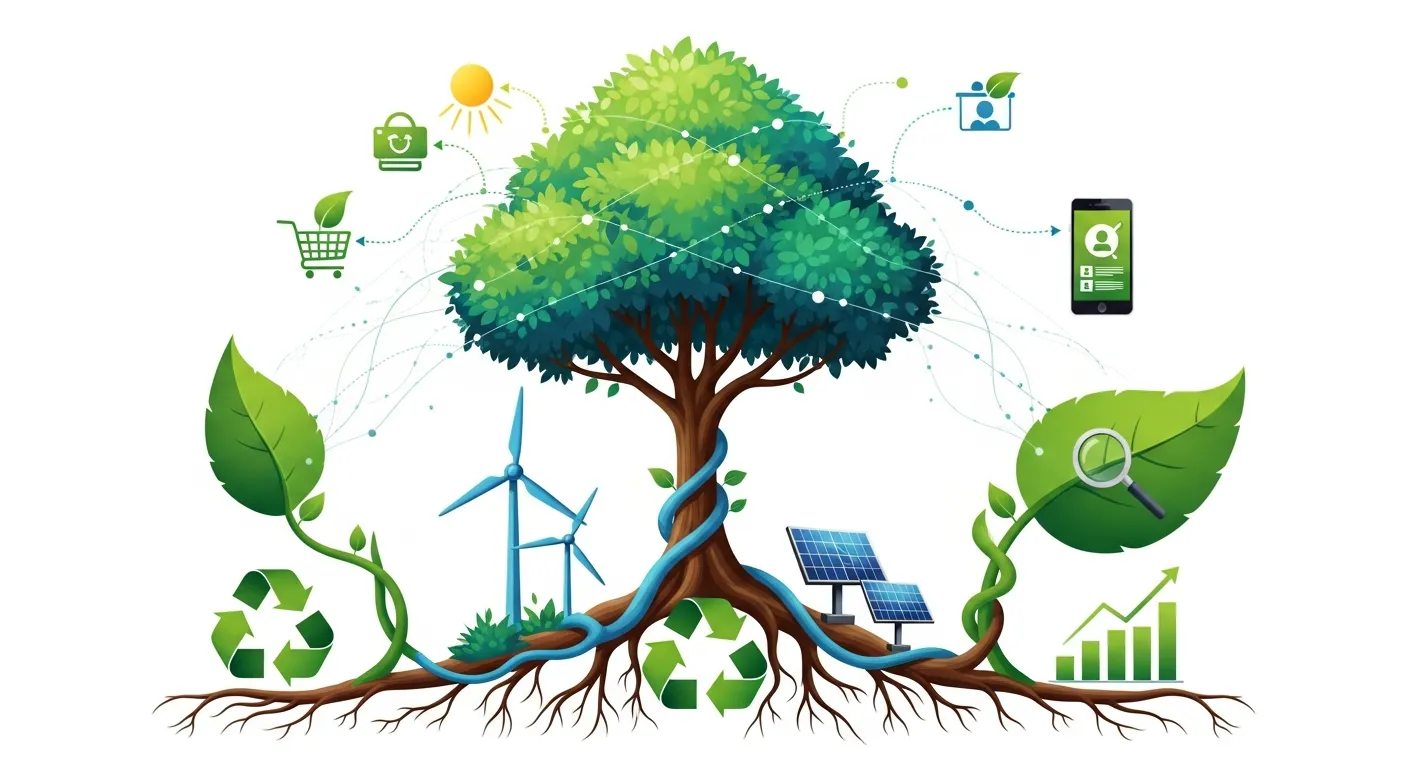
Eco marketing trends focus on engaging sustainable consumers by promoting green practices, ethical branding, and eco-friendly products, helping businesses connect with conscious audiences while driving responsible growth and environmental impact.
In today’s digital landscape, eco marketing trends have become a pivotal element for brands seeking to connect with eco-conscious audiences. Consumers are more informed than ever, researching product origins, scrutinizing corporate practices, and demanding genuine commitment to environmental stewardship. As a result, businesses that integrate sustainability into their core messaging can foster trust, drive loyalty, and differentiate themselves in a crowded marketplace. This year, more than 70% of shoppers express willingness to support brands with clear environmental values, making eco marketing strategies essential for growth and resilience. By weaving eco marketing trends into every aspect of their campaigns—from storytelling to partnerships—companies can engage sustainable consumers and build lasting relationships rooted in shared purpose.
Through this comprehensive article, we will unpack the significance of sustainability in modern marketing, explore the mindset of green-minded consumers, highlight leading eco marketing shaping this year, outline a step-by-step strategy for embedding environmental principles in your outreach, and demonstrate how to measure impact effectively. Let’s dive in and discover how embracing eco marketing can elevate your brand’s message and resonate with audiences who care about the planet’s future.
Why Sustainability Matters for Brands
In today’s marketplace, sustainability extends beyond a mere label—it’s a reflection of a company’s values and long-term vision. Eco marketing trends reveal that conscious consumers are making purchasing decisions based not only on price or functionality, but also on a brand’s environmental footprint. According to research from the EPA, businesses that reduce greenhouse gas emissions and adopt renewable energy sources often see increased customer retention and positive word-of-mouth. When organizations prioritize sustainability, they tap into a growing demographic that seeks meaningful connections with the companies they support.
Brands that genuinely integrate eco-friendly practices—such as using recycled materials, offsetting carbon emissions, or implementing circular economy principles—build credibility and foster trust. This credibility is critical in combating greenwashing, which occurs when marketing messages exaggerate or misrepresent environmental impact. Authentic eco emphasizes transparency: sharing lifecycle assessments, third-party certifications, and measurable outcomes. By aligning product development and storytelling with verifiable data, marketers can avoid common pitfalls and create campaigns that resonate on both emotional and rational levels.
Furthermore, investors and stakeholders increasingly view sustainability performance as a key indicator of future viability. Firms that adopt eco marketing and report on environmental metrics often attract capital from funds dedicated to responsible investing. In today’s digital landscape, sustainability is not an optional add-on—it’s a strategic imperative that strengthens brand equity, drives differentiation, and positions organizations for long-term success.
Decoding the Sustainable Consumer Mindset

To engage consumers who prioritize eco-friendly products and services, marketers must understand the core motivations driving their behavior. Sustainable consumers typically value transparency, demand proof of environmental claims, and seek meaningful impact through their purchases. They scrutinize ingredient lists, certification logos, and supply chain practices before committing their loyalty. Recognizing these expectations is the first step toward crafting effective eco marketing strategies.
Psychological studies from institutions such as Harvard University show that consumers who identify as environmentally conscious often act as brand advocates, sharing positive experiences within their social networks. This peer-to-peer influence amplifies the reach of eco marketing trends, as word-of-mouth recommendations carry authentic weight. By creating shareable content—interactive storytelling, short-form videos, or infographics—brands can tap into these organic endorsement channels.
Additionally, sustainable buyers appreciate opportunities to participate in eco initiatives. Loyalty programs that reward recycling, programs that allow customers to offset carbon at checkout, or campaigns that invite audiences to co-create limited-edition products all foster deeper engagement. When marketing efforts empower consumers to take tangible action, they transform passive observers into committed partners in a brand’s environmental journey.
Understanding that these consumers often balance sustainability with factors like affordability, convenience, and quality is crucial. Eco marketing in messaging must therefore articulate clear benefits—both environmental and practical—while demonstrating how choosing green alternatives does not require sacrifices. By addressing these priorities holistically, marketers can resonate with a diverse range of eco-minded individuals.
Leading Eco Marketing Trends in Today’s Landscape
As sustainability takes center stage, certain eco-marketing trends have emerged as particularly impactful. Implementing these approaches can help your brand stay ahead and maintain relevance among environmentally conscious audiences.
1. Green Storytelling Through Immersive Content
Consumers crave authentic narratives that showcase a brand’s environmental journey. Today, immersive media—such as interactive web pages, 360° videos, and augmented reality experiences—enables audiences to visualize sustainability efforts in vivid detail. Highlight your sourcing of recycled materials, behind-the-scenes production processes powered by renewable energy, or community-based initiatives to restore natural habitats.
2. Transparency and Traceability Innovations
Eco marketing trends increasingly leverage blockchain and QR code technologies to offer real-time visibility into product origins, labor practices, and carbon footprints. By allowing customers to scan products and access verifiable data, brands foster trust and eliminate doubts about green claims. This openness not only deters greenwashing but also encourages consumer loyalty.
3. Partnership-Driven Cause Marketing
Collaborating with reputable environmental nonprofits or research institutions amplifies credibility and social impact. Campaigns that donate a percentage of profits to reforestation projects or marine conservation efforts resonate strongly with eco-aware audiences. These partnerships can be highlighted through joint events, co-branded content, and progress reports that underscore the tangible outcomes of consumer support.
4. Sustainable Packaging and Circular Campaigns
Reducing single-use plastics and adopting biodegradable, compostable, or refillable packaging solutions has become a marquee eco advantage. Brands embracing circular economy principles—offering buy-back, repair, or recycling programs—close resource loops and foster repeat engagement. Communicating these initiatives through clear labeling and digital tutorials helps consumers understand proper disposal or return processes.
5. Eco-Influencer Collaborations
Partnering with influencers who advocate for environmental causes can drive authentic engagement and extend reach into niche eco communities. When influencers share first-person experiences—unboxing, product testing, or field visits to sustainable facilities—they lend personal credibility to eco marketing trends and inspire their followers to take action.
Building an Effective Eco Marketing Strategy

Developing a robust eco marketing plan requires aligning sustainability goals with measurable objectives. Follow these five steps to embed eco marketing trends into your overall approach:
1. Conduct a Comprehensive Environmental Audit
Start by evaluating your products’ lifecycle impacts—from raw material extraction and manufacturing to distribution and end-of-life disposal. Identify hotspots where emissions, waste, or resource consumption can be minimized. Tools and frameworks provided by the EPA or academic research can guide your assessment.
2. Define Your Unique Sustainability Proposition
Pinpoint the core differentiators of your eco efforts. Whether you champion zero-waste operations, fair-trade partnerships, or carbon-neutral logistics, articulate these strengths in simple, jargon-free language. Along the way, we will reference insights from authoritative sources such as the Environmental Protection Agency EPA and the United Nations Sustainable Development Goals UN SDGs to ensure accuracy and credibility. Your unique sustainability proposition will serve as the backbone of all marketing materials and consumer communications.
3. Craft Clear, Evidence-Based Messaging
Avoid vague or unsupported claims by backing statements with data, certifications, or third-party verification. Use concise language to explain environmental benefits—how much plastic waste is prevented, energy savings achieved, or forests protected. Honest communication builds credibility and safeguards against accusations of greenwashing.
4. Select the Right Channels and Formats
Identify platforms where your sustainable audience is most active—social networks like Instagram and LinkedIn, eco-focused blogs, specialized forums, or community events. Tailor content formats to each channel, such as short video snippets for social stories, long-form articles for SEO-driven blogs, or interactive quizzes that engage and educate.
5. Monitor Performance and Iterate
Track both marketing and environmental KPIs to evaluate success. Marketing metrics include engagement rates, conversion lifts, and brand sentiment analysis. Environmental indicators cover carbon offsets purchased, volume of recycled materials used, and waste diverted from landfills. Regularly review these metrics to refine messaging, adjust investments, and celebrate achievements with your audience.
Measuring Impact and Avoiding Common Pitfalls

Quantifying the success of eco marketing trends involves a balanced mix of quantitative and qualitative data. Below are essential metrics and best practices:
Key Performance Metrics
- Engagement Rates: Track clicks, shares, comments, and watch time on sustainability content to gauge audience interest.
- Conversion Uplifts: Compare sales performance of eco-labeled products against standard items during campaign periods.
- Brand Trust Scores: Use Net Promoter Score (NPS) surveys and sentiment analysis to assess consumer perceptions of your environmental claims.
- Environmental KPIs: Monitor the amount of waste reduced, renewable energy utilized, and carbon emissions offset through customer participation.
- Customer Retention: Measure repeat purchase rates among sustainability-focused segments and participation rates in eco loyalty programs.
Best Practices and Pitfalls to Avoid
- Ensure Authenticity: Only promote initiatives with solid evidence. Transparency is key to maintaining credibility.
- Engage Stakeholders: Involve employees, suppliers, and customers in co-creating sustainability projects to build deeper commitment.
- Communicate Progress: Regularly share updates on goals, challenges, and milestones through accessible reports and social media posts.
- Avoid Overpromising: Be realistic about timelines and outcomes to manage expectations and foster trust.
- Educate and Inspire: Offer resources that explain broader environmental issues and demonstrate how small consumer actions add up to significant impact.
Conclusion
Embracing eco marketing trends is no longer a novelty—it’s a necessity for brands aiming to thrive in today’s market. By understanding the sustainable consumer mindset, integrating immersive storytelling, prioritizing transparency, and measuring both marketing and environmental outcomes, companies can foster genuine connections with eco-conscious audiences. Applying this step-by-step strategy helps avoid greenwashing traps and ensures every claim is supported by data and third-party validation.
As businesses navigate this year, aligning brand values with meaningful environmental action will continue to resonate deeply with consumers and stakeholders alike. By leveraging the latest trends, crafting clear messaging, and tracking progress diligently, organizations can build loyalty, enhance reputation, and contribute positively to global sustainability goals. Start embedding these eco marketing practices today to position your brand at the forefront of purpose-driven growth.
Frequently Asked Questions
What are eco marketing trends?
Eco marketing trends refer to strategies and practices that promote sustainable, environmentally-friendly products and services. These trends focus on reducing environmental impact while appealing to consumers who value eco-conscious choices.
Why are eco marketing trends important for businesses?
Eco marketing trends help businesses connect with environmentally aware customers. Adopting eco-friendly practices enhances brand reputation, builds trust, and aligns with global sustainability goals, making eco marketing trends crucial for modern companies.
How can companies implement eco marketing trends?
Companies can implement eco marketing trends by using sustainable packaging, promoting green initiatives, and communicating their environmental efforts. Highlighting eco-friendly practices in marketing campaigns reinforces a brand’s commitment to eco marketing trends.
What are the latest eco marketing trends?
The latest eco marketing trends include zero-waste packaging, carbon-neutral campaigns, plant-based products, and eco-conscious social media messaging. These trends reflect consumer demand for sustainable choices and responsible brands.
How does digital marketing support eco marketing trends?
Digital marketing supports eco marketing trends by enabling targeted campaigns, promoting sustainability stories, and using low-energy platforms. Social media, email, and content marketing help spread awareness of eco marketing trends effectively.
Can eco marketing trends boost sales?
Yes, eco marketing trends can boost sales by attracting environmentally-conscious consumers. Brands that embrace eco marketing trends often experience increased loyalty and higher engagement, translating into stronger business performance.
How do eco marketing trends influence consumer behavior?
Eco marketing trends influence consumer behavior by emphasizing sustainability, ethical sourcing, and environmental responsibility. Customers increasingly choose brands aligned with over competitors who neglect green practices.
Are eco marketing trends only for large companies?
No, eco marketing trends can be adopted by businesses of all sizes. Small and medium enterprises can implement eco marketing trends through local sourcing, minimal packaging, and promoting sustainable values to their audience.
What role does social media play in eco marketing trends?
Social media plays a key role in eco marketing trends by amplifying eco-conscious messaging, sharing sustainability stories, and engaging consumers with eco-friendly initiatives. Platforms like Instagram and LinkedIn are popular for promoting eco marketing trends.
How can brands measure the success of eco marketing trends?
Brands can measure the success of eco marketing trends through metrics like customer engagement, sales growth, brand sentiment, and social media reach. Tracking these indicators helps refine eco marketing trends and strategies.
What industries benefit most from eco marketing trends?
Industries such as fashion, food, travel, and consumer goods benefit from eco marketing trends. These sectors can highlight sustainable sourcing, eco-friendly packaging, and ethical practices to align with eco marketing trends.
Are eco marketing trends globally recognized?
Yes, eco marketing trends are recognized worldwide as businesses respond to climate change and consumer demand for sustainability. Global adoption of eco marketing trends encourages environmentally conscious business practices.
How do eco marketing trends impact brand reputation?
Adopting eco marketing trends positively impacts brand reputation by demonstrating social responsibility and environmental awareness. Customers perceive brands that follow eco marketing trends as ethical and trustworthy.
Can technology enhance eco marketing trends?
Technology enhances eco marketing trends through tools like eco-friendly e-commerce platforms, digital sustainability reports, and AI-driven analytics. Technology supports brands in implementing and communicating eco marketing trends efficiently.
What challenges do businesses face with eco marketing trends?
Businesses face challenges such as higher costs, sourcing sustainable materials, and effectively communicating eco marketing trends. However, overcoming these challenges strengthens brand credibility and long-term consumer trust.






Leave a Reply