

Why do some articles, videos, or memes take the world by storm, while others barely make a ripple? Viral content has become an essential pillar of internet culture. Whether it’s a heartwarming story, a meme, or an educational thread, these pieces of content spread rapidly across platforms and are reshared by millions. But what drives this phenomenon? The answer lies in psychology.
This blog explores the psychological triggers that make us share content, offering valuable insights for content creators and marketers. By understanding what motivates people to click “share,” you’ll be better equipped to craft content that resonates and spreads.
What Does It Mean for Content to Go Viral?
At its core, viral content is any piece of media that achieves rapid and widespread popularity through social sharing. Unlike paid advertising, virality relies on organic exposure, where users distribute content among their own networks. The reach of viral content is exponential, thanks to the snowball effect of one user sharing with another, creating significant visibility in a short timeframe.

But here’s the thing about virality: there’s no one-size-fits-all formula. Instead, there are psychological underpinnings that increase the likelihood of content resonating with an audience. And that’s where the magic happens.
Why Do We Share Content?
1. Emotional Connection
One of the strongest motivators for sharing content is emotion. According to a study published in Psychological Science, emotionally charged content, whether positive (awe, humor) or negative (anger, sadness), is more likely to be shared.
For example, consider the massive success of videos featuring random acts of kindness. These evoke emotions of warmth and hope, compelling users to share them as a way of spreading positivity.
Takeaway for Content Creators:
Create content with a strong emotional appeal. Think of stories that make your audience laugh, cry, or feel inspired. Content that triggers amazement (like mind-blowing innovations) or concern over urgent matters (like climate change) often resonates deeply, increasing its shareability.
2. Identity and Self-expression
Sharing content is an extension of identity. People share articles, videos, or memes that align with their beliefs, values, or interests because they reflect who they are to their peers. Just as people wear certain types of clothing to express themselves, social media content allows them to project an image of their personal or social values.
For instance, someone passionate about sustainability might share articles on eco-friendly practices to showcase their commitment to environmentalism. Similarly, sharing witty memes might signal a great sense of humor.
Takeaway for Content Creators:
Align your content with your audience’s values and interests. Think about what your target demographic desires to project about themselves and create content that supports that narrative.
3. Social Currency
Social currency refers to the value people feel they gain when sharing something interesting, unique, or valuable. Sharing inside jokes, breaking news, or niche content allows individuals to feel “in the know,” boosting their social status within online or offline communities.
For example, think about “life hack” videos. These often go viral because they offer unique, useful information that people are eager to share and take credit for introducing to their networks.
Takeaway for Content Creators:
Ensure your content offers value or makes your audience feel smarter, cooler, or more informed. Whether it’s a totally unique perspective, insider information, or an ingenious tip, give people a reason to want to pass it on.
4. Triggering Sharing Through Reciprocity
When people see content that gives them something of value (information, a good laugh, or a profound insight), they’re more likely to reciprocate through sharing. This desire to “give back” forms one of the strongest psychological reasons behind why we share.
A great example of this is sharing charity campaigns. When users see heartfelt pleas accompanied by real-life outcomes, their first instinct may be to donate. However, if they can’t personally donate, sharing the campaign is a way to help spread the word.
Takeaway for Content Creators:
Design content that evokes gratitude or appreciation, leaving your audience feeling compelled to share as a form of giving back.
5. Fear of Missing Out (FOMO)
We’ve all experienced FOMO at some point—that feeling of missing out on something important or exciting. Content designed to capitalize on this fear can spark rapid sharing. Breaking news updates, limited-time offers, or trending challenges all play into FOMO. If everyone’s talking about it, people want to feel part of the conversation.
For example, TikTok challenges are a perfect example of how FOMO drives virality. Users feel compelled to participate and share, lest they miss out on a trend sweeping their circle.
Takeaway for Content Creators:
Create time-sensitive or trendy content that makes people feel they need to engage quickly to stay relevant. Phrases like “Don’t miss out” or “Trending now” can amplify urgency.
6. Building a Sense of Community
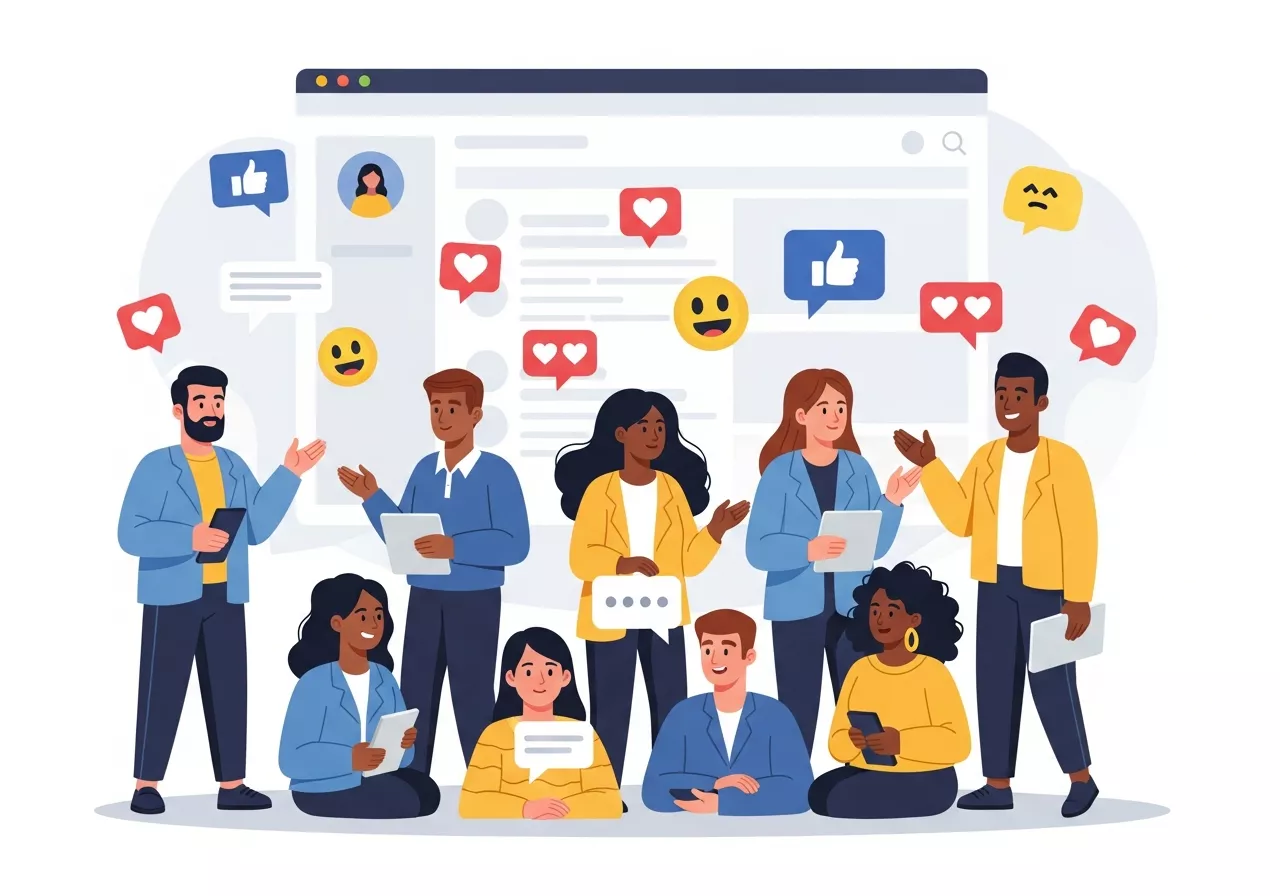
Humans are social creatures, and sharing content builds a sense of connection and community. Whether through memes, motivational content, or insightful articles, people often post material that allows them to interact and engage with others.
For instance, think about Facebook parenting groups where members regularly share relatable memes about the joys and challenges of parenting. These posts generate likes, comments, and shares, building bonds within that community.
Takeaway for Content Creators:
Foster a sense of community through your content. Pose questions, invite dialogue, or create funny, relatable content that resonates with a clearly defined audience.
How to Create Content That Goes Viral
Now that we know why people share, it’s time to apply these principles. Here are actionable tips for creating highly shareable content:
Craft High-Quality Visuals and Headlines
This cannot be overstated. According to HubSpot, content with compelling visuals garners about 94% more views than text-based content alone. Pair this with short, attention-grabbing headlines, and your content is set to make an impact.
Optimize for Each Platform
Different platforms have unique user behaviors. While Instagram prioritizes aesthetics, platforms like Twitter thrive on wit and brevity. Tailor your content to match the platform to maximize engagement.
Leverage User-Generated Content
Encourage your audience to contribute their stories, photos, or videos related to your brand or idea. People are more likely to share content they played a part in creating.
Balance Predictability with Novelty
Successful viral content isn’t entirely predictable but retains enough familiarity to feel relatable. Strike a balance by providing something new and exciting while staying grounded in universal human experiences.
7. The Role of Humor in Viral Content: Why Laughter Spreads
Humor is one of the most powerful psychological tools in the creation of viral content. It has a universal appeal that transcends cultural boundaries and makes people feel good, which is why content that makes us laugh is more likely to be shared. Humor in content doesn’t just entertain; it also lowers our guard, making us more likely to engage with it and pass it along to others. Whether it’s a funny meme, a stand-up clip, or a cleverly executed viral video, humor taps into our desire to enjoy life and share positive experiences with others.
Why Humor Works So Well:
- Stress Relief: Humor can help people momentarily escape from stress and daily pressures. People are more likely to share content that helps them feel lighter and more relaxed.
- Social Bonding: Sharing humor strengthens social connections. When people share funny content, it signals to others that they are “in the know,” reinforcing their social status and relationships.
- Increased Engagement: People engage more with content that makes them laugh because it triggers positive emotions, encouraging them to click, like, and share.
Takeaway for Content Creators:
To create content with viral potential, try incorporating humor in ways that relate to your audience’s interests and pain points. Whether it’s through memes, satirical commentary, or funny stories, humor is a tool that can quickly escalate content’s shareability.
8. The Psychology Behind Viral Marketing Funnels
Viral marketing is not just about creating viral content—it’s also about leveraging that content to drive traffic, awareness, and conversions. The Viral Marketing Funnel is a psychological framework that explains how content moves through various stages of user engagement, from initial exposure to final conversion.
Stages of the Viral Marketing Funnel:
| Stage | Psychological Trigger | Action | Goal |
|---|---|---|---|
| Awareness | Curiosity, Interest, Novelty | Viewers discover content through social media, SEO, or friends. | Make people aware of your content. |
| Engagement | Emotional Connection, Humor, Social Currency | Viewers interact by liking, commenting, or sharing. | Deepen connection with your audience. |
| Virality | Reciprocity, FOMO, Community Building | Content spreads organically across platforms. | Increase reach and visibility. |
| Conversion | Trust, Social Proof, Relevance | Viewers take the desired action, like signing up or purchasing. | Turn viral content into measurable business results. |
How It Works:
- Awareness: The first step is to capture the audience’s attention. Content must be eye-catching, relevant, and create a sense of curiosity.
- Engagement: Once the audience is aware, the goal is to make them interact with the content. This is where emotion, humor, and social currency come into play.
- Virality: The next stage is when the content starts spreading. This occurs when the audience shares content with their network, amplifying the exposure.
- Conversion: Finally, the content must drive the desired action. Whether it’s a sale, a sign-up, or another goal, this is where the true value of viral content is realized.
Takeaway for Content Creators:
When designing content for virality, think beyond just entertainment. Consider how your content fits into the broader marketing funnel. Your viral content should move people through awareness, engagement, and eventually to conversion. This requires creating content that aligns with both the emotions of the audience and the goals of the brand.
9. Trend Marketing: Riding the Wave of Virality
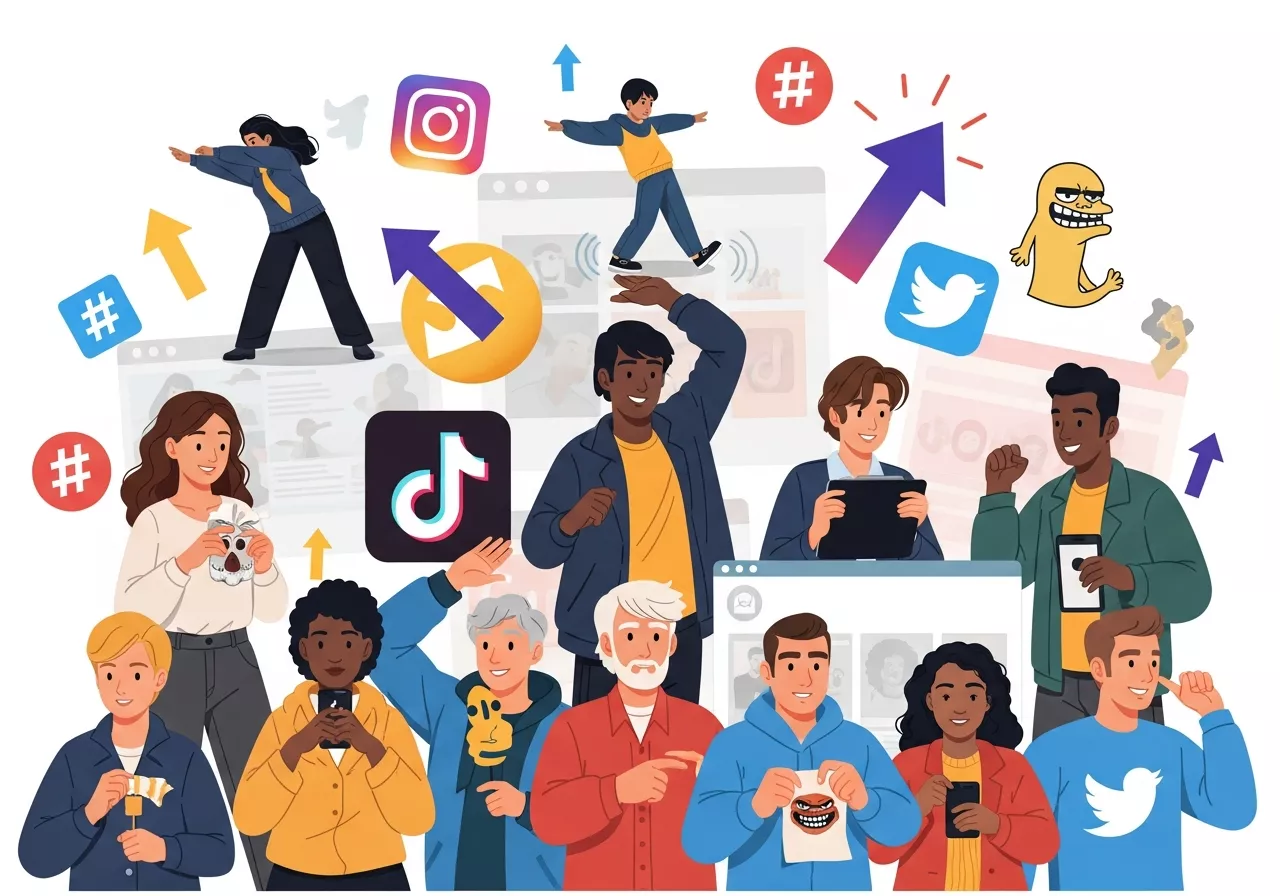
Trend marketing is a strategy where brands leverage trending topics, memes, and viral challenges to create content that is timely and relevant. The psychology behind trend marketing is rooted in the concept of social proof—the idea that people are more likely to engage with content that they perceive as popular or widely accepted. When a topic is trending, individuals feel a natural urge to join the conversation, avoid missing out, and be part of the cultural moment.
How Trend Marketing Taps into Psychology:
- FOMO (Fear of Missing Out): As discussed earlier, FOMO drives people to participate in viral trends to avoid being left out. When they see others sharing content, they want to join in and stay relevant.
- Social Proof: People tend to follow what others are doing, especially when it appears popular or trending. If everyone is sharing a particular meme or challenge, others are likely to join in to maintain their social relevance.
- Conformity and Belonging: Humans have an innate desire to belong to groups. Participating in trending topics allows people to signal their inclusion in a particular social group or cultural moment.
Examples of Successful Trend Marketing:
- TikTok Challenges: These challenges are a perfect example of trend marketing in action. They go viral because they tap into a collective desire to belong and participate in something fun, exciting, and timely.
- Hashtag Campaigns: Trending hashtags, like #IceBucketChallenge or #MeToo, gain momentum when users feel they can be part of a larger cause or movement.
- Memes: Memes that take off often tap into shared cultural experiences, humor, or issues that are widely relatable.
Takeaway for Content Creators:
Leverage trending topics to make your content more relevant. Monitor social media trends and incorporate popular themes into your content. But be mindful to ensure that the trend aligns with your brand’s message and resonates with your target audience. Jumping on trends without authenticity can backfire, as people can easily spot content that feels inauthentic or opportunistic.
10. The Impact of Visual Storytelling in Viral Content
Storytelling has always been a powerful tool in connecting with people. In the digital age, where attention spans are shorter, visual storytelling has become one of the most effective ways to convey a message, evoke emotions, and trigger viral sharing.
Why Visual Storytelling Works:
- Instant Understanding: Visual content is processed 60,000 times faster than text, which is why images, infographics, and videos are more likely to be shared.
- Emotional Appeal: Visuals can evoke emotions more powerfully than words alone. A single image can capture an entire narrative, which resonates deeply with viewers.
- Memorability: People remember visual content better than written content. Studies have shown that people retain 80% of what they see and only 20% of what they read.
- Shareability: Visuals are easy to consume and share. With the rise of platforms like Instagram, Pinterest, and TikTok, highly visual content has been shown to have a higher chance of going viral.
Types of Visual Storytelling That Work Well:
- Infographics: These combine visuals and data to tell a compelling story in an easy-to-digest format.
- Short Videos: Platforms like TikTok and YouTube Shorts have demonstrated the immense popularity of short-form video storytelling.
- Image-Heavy Content: Memes, inspirational quotes with strong visuals, and impactful images are easily shared because they are simple and engaging.
Takeaway for Content Creators:
Invest in high-quality visuals to enhance your storytelling. Whether through videos, memes, or infographics, visual content can amplify the impact of your message and increase the chances of your content going viral.
Conclusion: Harnessing the Psychology of Virality for Success
Understanding the psychology behind viral content is key to crafting pieces that resonate with your audience and spread quickly. By tapping into emotional triggers, leveraging humor, and aligning your content with trends and social behaviors, you can significantly increase your chances of creating content that goes viral. Whether you’re focusing on Viral Marketing Funnels, Trend Marketing, or Business Trends, the key to success lies in knowing what makes people tick—and using that knowledge to craft content that people can’t wait to share.
Frequently Asked Questions (FAQ)
1. What makes content go viral?
Content goes viral when it resonates deeply with people, triggering emotions, social connections, or a sense of urgency. Psychological factors like emotional appeal, social currency, and FOMO (Fear of Missing Out) play a significant role. When people feel strongly about something—whether it’s humor, awe, or a cause—they’re more likely to share it with their network, amplifying its reach.
2. Can any type of content go viral?
While any content has the potential to go viral, not all content will. Factors like timing, relevance, and emotional appeal are crucial. For example, content that aligns with current trends or taps into universal human emotions (like laughter or compassion) is more likely to be shared. Additionally, content that is easy to engage with and share across multiple platforms tends to have a higher chance of going viral.
3. How can I use psychology to create viral content?
Understanding the psychological triggers that motivate people to share content is key to making your content go viral. Focus on:
- Emotional connection: Craft content that makes your audience feel something—whether it’s joy, anger, or awe.
- Identity and self-expression: Create content that allows your audience to project their values or personality.
- Social currency: Offer something unique or valuable that makes people feel “in the know” when they share it.
- Reciprocity and FOMO: Trigger the urge to “give back” by sharing content or prevent the feeling of missing out on trends.
4. What role does humor play in viral content?
Humor is one of the most effective tools for creating viral content because it triggers positive emotions and social bonding. When content makes people laugh, it’s not only fun to share, but it also helps to strengthen connections between people. Humor makes content more memorable, which increases the likelihood of sharing, and it creates a positive association that drives engagement.
5. What is a viral marketing funnel, and why is it important?
The Viral Marketing Funnel is a framework that explains how content moves through stages of user engagement, from awareness to conversion. The four stages are:
- Awareness: People discover the content.
- Engagement: Viewers interact with the content (like, comment, share).
- Virality: The content spreads organically as more people share it.
- Conversion: The content prompts action (e.g., a purchase, sign-up, or donation).
Understanding the viral funnel helps content creators and marketers design content that not only goes viral but also drives measurable business results like traffic, sales, or brand awareness.
6. What is trend marketing, and how can I use it to make my content go viral?
Trend marketing involves leveraging current trends, viral challenges, or popular topics to create content that feels timely and relevant. People are more likely to engage with content that aligns with ongoing cultural moments. To effectively use trend marketing:
- Stay up-to-date with current events and social media trends.
- Use popular hashtags, memes, or challenges that resonate with your target audience.
- Be mindful that jumping on trends should feel authentic—if the trend doesn’t align with your brand’s values or message, it may backfire.
7. How can I ensure my content aligns with my audience’s values?
To align your content with your audience’s values, start by understanding what matters most to them. Look for clues in their online behavior—what types of content do they engage with? What causes or topics do they care about? Once you know these preferences, craft content that speaks to their interests, beliefs, and needs. Content that reflects your audience’s identity is more likely to be shared and resonated with.
8. What is visual storytelling, and why is it important for virality?
Visual storytelling is the use of images, videos, infographics, and other visual elements to tell a story or convey a message. It’s important for virality because visuals are processed much faster than text, and they tend to trigger stronger emotional responses. People are more likely to share content that’s visually engaging, and platforms like Instagram, TikTok, and Pinterest thrive on high-quality visuals. Incorporating powerful visuals with your story increases the chances of your content being shared widely.
9. How do I know if my content is resonating with my audience?
To determine if your content is resonating with your audience, monitor engagement metrics such as likes, shares, comments, and click-through rates. If your content is being shared or commented on frequently, it’s a sign that it’s connecting with your audience. You can also ask for feedback directly through polls or comments to see if the message or emotional tone aligns with their preferences.
10. Can I predict when content will go viral?
Unfortunately, virality is unpredictable, and no one can guarantee that content will go viral. However, by understanding the psychological triggers and leveraging strategic elements like timing, humor, emotional appeal, and social currency, you can increase the likelihood of your content gaining traction. Testing different types of content and observing how your audience reacts can also help refine your strategy over time.
You can learn more: The Four Elements of Traditional Marketing Explained






Leave a Reply