


Digital transformation dominates business headlines, but traditional business models continue to thrive across industries. While startups chase the latest trends, established companies with conventional approaches often outperform their tech-savvy competitors.
Traditional businesses offer unique advantages that modern entrepreneurs frequently overlook. From proven revenue streams to established customer relationships, these time-tested approaches provide stability and growth opportunities that digital-first companies struggle to replicate.
This post explores the key benefits of traditional business models and why they remain relevant for entrepreneurs seeking sustainable success.
What Defines a Traditional Business Model?
Traditional business models operate on established principles that have proven successful over decades. These businesses typically rely on physical locations, direct customer interactions, and conventional revenue streams.
Key characteristics include:
- Physical presence: Brick-and-mortar stores, offices, or facilities
- Direct sales: Face-to-face transactions and relationship-building
- Proven processes: Time-tested operational methods
- Tangible products: Physical goods or in-person services
- Local market focus: Community-based customer base
Traditional businesses span multiple industries, from retail stores and restaurants to manufacturing companies and professional services firms.
Established Customer Trust and Relationships

Traditional businesses excel at building deep, lasting relationships with their customers. Physical interactions create a trust that digital platforms struggle to match.
Face-to-Face Connection Benefits
Personal interactions allow business owners to understand customer needs better than online surveys or analytics. Customers appreciate speaking with real people who can provide immediate solutions and personalized service.
Local businesses become integral parts of their communities. Customers develop loyalty to businesses they visit regularly, creating emotional connections that transcend transactional relationships.
Reputation Building Through Consistency
Traditional businesses build reputations through consistent service delivery over time. Word-of-mouth recommendations carry significant weight when customers can visit physical locations and experience service quality firsthand.
This reputation becomes a valuable asset that protects against competition and economic downturns. Customers trust businesses they know personally more than faceless online companies.
Proven Revenue Streams and Financial Stability
Traditional business models offer predictable income sources that investors and lenders understand well. This financial transparency provides several advantages over newer, unproven models.
Predictable Cash Flow
Established businesses with regular customers generate consistent revenue streams. Service-based businesses often secure recurring contracts, while retail stores benefit from repeat customer visits.
This predictability helps with financial planning, inventory management, and expansion decisions. Banks and investors prefer funding businesses with demonstrated earning potential over speculative ventures.
Lower Capital Requirements
Many traditional businesses require less initial capital than tech startups. A local service business might need basic equipment and a small office, while a tech company requires expensive development teams and infrastructure.
Lower startup costs reduce financial risk and make business ownership accessible to more entrepreneurs. Traditional businesses can often begin operations with personal savings rather than external funding.
Psychological Triggers in Business Success
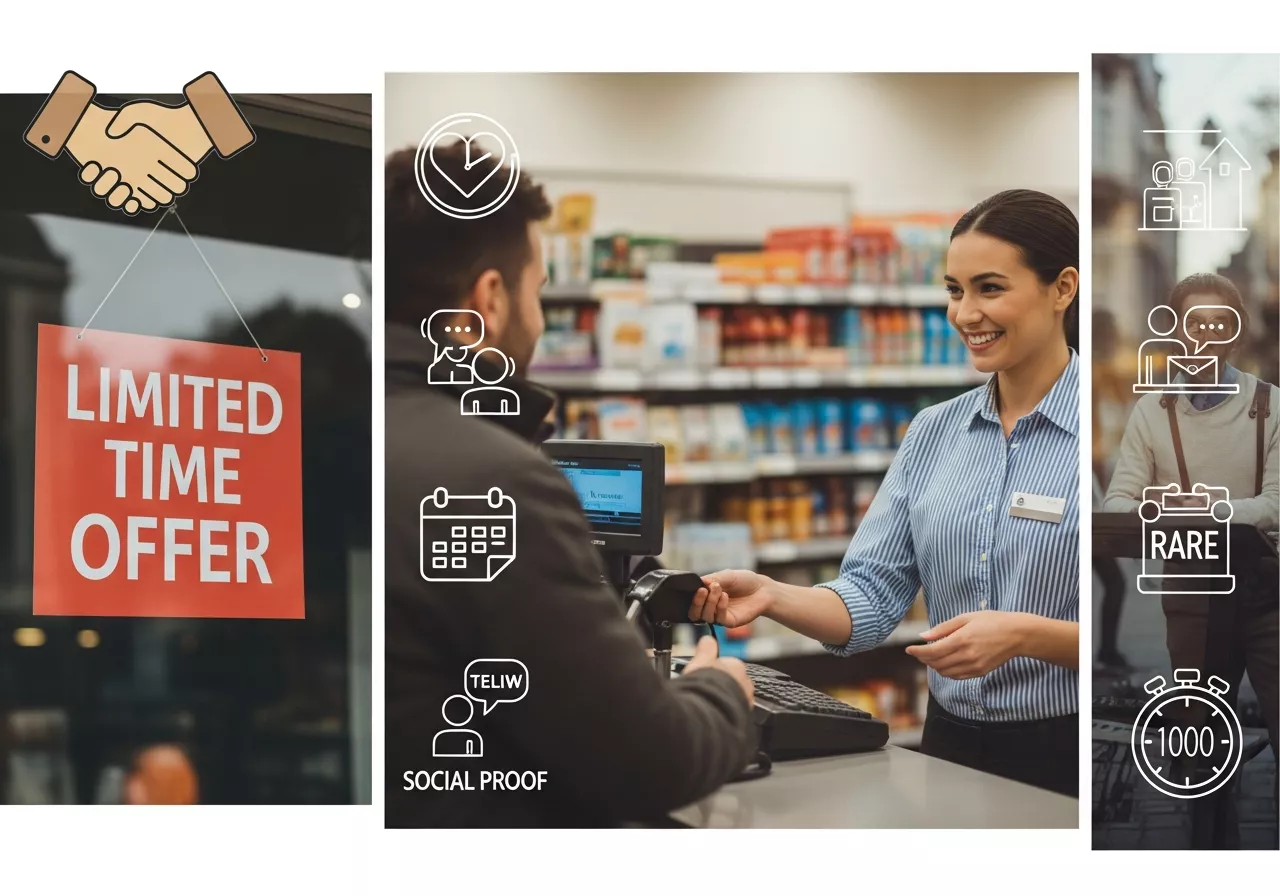
While digital businesses often focus on leveraging cutting-edge technologies, traditional business models rely heavily on psychological triggers that have stood the test of time. The Psychology Behind Viral Content is key to understanding why some businesses in conventional sectors manage to resonate deeply with customers, creating long-lasting success.
Key Psychological Triggers Traditional Businesses Use:
- Reciprocity: When customers feel like they’ve received something valuable—whether it’s personalized service or a free trial—they are more likely to return the favor by becoming loyal customers. This principle is particularly powerful in traditional businesses where personal connections are made.
- Commitment and Consistency: Once customers have committed to a brand, they are more likely to stick with it. Local businesses often have the advantage of fostering commitment through consistent service delivery and a strong community presence.
- Social Proof: Word-of-mouth is one of the oldest forms of advertising. In the traditional business model, customers often share their experiences with their networks, creating an organic form of social proof that drives future business.
- Scarcity: Many traditional businesses rely on the principle of scarcity to drive sales—think of limited-time offers or exclusive in-store events. Scarcity triggers a fear of missing out (FOMO), prompting customers to act quickly.
Takeaway for Traditional Businesses:
By applying psychological triggers such as reciprocity, scarcity, and social proof, traditional businesses can foster deep customer relationships and increase brand loyalty, just as digital-first companies aim to do through viral marketing.
The Role of Trust and Authenticity in Brand Loyalty

One of the greatest advantages that traditional businesses have over digital-first businesses is the trust they build through face-to-face interactions. Trust is a psychological factor that drives customer loyalty, and when combined with authenticity, it creates a solid foundation for success. In today’s digital age, customers are increasingly looking for businesses that feel “real” and genuine, especially when it comes to brand identity and values.
Why Trust and Authenticity Matter:
- Customer Relationships: In traditional business models, building trust is an ongoing process. Business owners can create meaningful relationships with their customers through personalized interactions, making the customer feel valued.
- Word-of-Mouth: Authentic businesses often benefit from strong word-of-mouth marketing. Customers who trust a brand are more likely to share their positive experiences with others, amplifying organic growth.
- Emotional Connection: Authenticity also breeds emotional connection. Traditional businesses can leverage the emotional aspect of their products or services to connect with customers on a deeper level.
Building Trust Through Transparency:
Traditional businesses can further enhance trust by being transparent with their customers about their processes, values, and even mistakes. In the era of online reviews, transparency is key to sustaining trust and credibility.
Takeaway for Entrepreneurs:
By focusing on authenticity and trust-building practices, traditional businesses can ensure a strong customer base that not only returns but actively promotes the business to others.
Reduced Competition and Market Saturation
Traditional industries often face less competition than crowded digital markets. While thousands of apps compete for user attention, local businesses may have limited direct competitors.
Geographic Advantages
Physical businesses serve specific geographic areas, naturally limiting competition. A restaurant competes primarily with other nearby establishments, not every restaurant globally.
This geographic protection allows businesses to focus on serving their local market well rather than competing with unlimited global competitors.
Barriers to Entry
Traditional businesses often benefit from natural barriers that prevent new competitors from entering easily. These include:
- Location requirements: Prime real estate creates scarcity
- Licensing and regulations: Professional requirements limit competition
- Equipment costs: Specialized tools or facilities require significant investment
- Established supplier relationships: Existing connections provide competitive advantages
Tangible Assets and Inventory Control
Traditional businesses own physical assets that provide security and operational control. Unlike digital companies that depend on platforms and algorithms, traditional businesses control their core resources.
Asset-Based Security
Physical assets like buildings, equipment, and inventory provide collateral for loans and security during economic uncertainty. These tangible resources have inherent value that can be leveraged for growth or protection.
Real estate often appreciates over time, adding wealth-building potential beyond operational profits. Manufacturing equipment and specialized tools create competitive moats that protect market position.
Direct Quality Control
Traditional businesses maintain direct control over product quality and customer experience. Restaurant owners can taste their food, retailers can inspect merchandise, and service providers can train their staff personally.
This hands-on approach ensures consistency and allows for immediate improvements when issues arise. Quality control becomes a competitive advantage rather than a hoped-for outcome.
How Traditional Business Models Can Leverage Trend Marketing
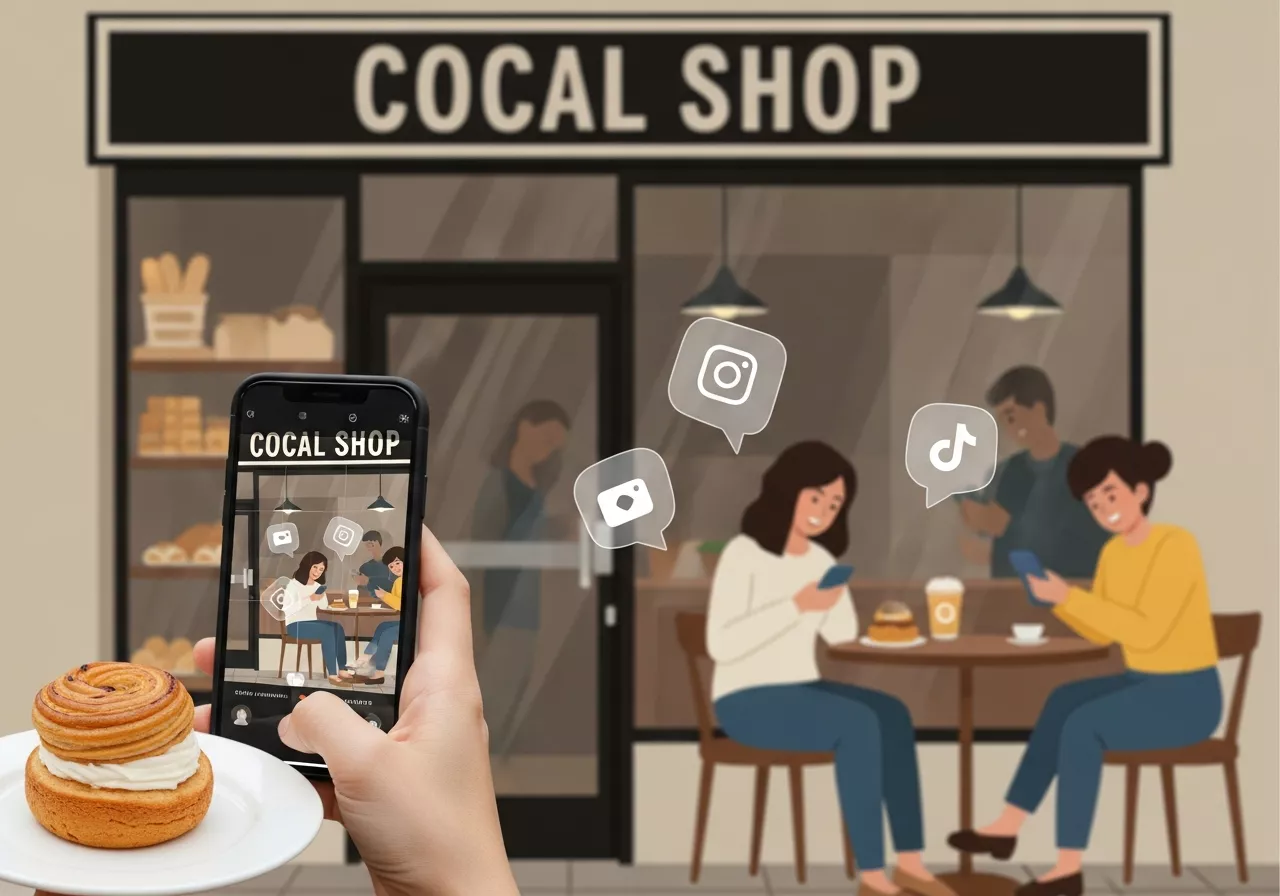
In today’s fast-paced digital world, trend marketing plays a huge role in driving viral content. Traditional businesses often find themselves in a catch-22: while they have local roots and customer trust, they struggle to keep up with the latest digital marketing trends. However, even brick-and-mortar businesses can effectively tap into viral marketing by leveraging trends that resonate with their target audience.
How to Leverage Trend Marketing in Traditional Businesses:
- Stay Local, Go Digital: Traditional businesses should focus on local trends and blend them with digital campaigns. For instance, a local bakery can create a viral trend by launching an exclusive pastry and promoting it through social media, while keeping it locally relevant.
- Leverage User-Generated Content: Encourage your customers to create and share content related to your product or service. For example, ask customers to share pictures of their meals, outfits, or experiences with your brand on Instagram and tag your business. This increases social proof and exposure.
- Hashtags and Challenges: Just as digital-first companies capitalize on TikTok challenges, traditional businesses can encourage customers to participate in relevant hashtag campaigns. These could be related to community events or promotions.
- Cross-Promotions with Influencers: Partnering with local influencers or community figures can help spread your brand message quickly. Even if your business isn’t entirely digital, influencers on social media can drive awareness and amplify your content across platforms.
Table: Trend Marketing in Traditional Business Models
| Trend Marketing Strategy | How Traditional Businesses Can Apply It | Examples in Practice |
|---|---|---|
| Local Events and Promotions | Leverage community-based trends and create exclusive, time-sensitive offers for in-store events | A local clothing store hosting a “Flash Sale” on Instagram for followers |
| Hashtags and Social Media Campaigns | Develop branded hashtags or challenges that resonate with local customers | A local gym launching a #HealthyIn2025 challenge and encouraging people to share their fitness journey |
| User-Generated Content | Encourage customers to create content and engage with your brand online | A coffee shop asking customers to post photos of their drinks with a unique hashtag |
| Influencer Partnerships | Collaborate with local influencers or bloggers to promote your products or services | A boutique clothing store working with a local fashion influencer to showcase new arrivals |
| Cross-Promotions | Collaborate with other local businesses to leverage each other’s customer base | A bakery partnering with a local coffee shop for a “Breakfast Bundle” promotion |
Takeaway for Traditional Businesses:
By leveraging trend marketing, traditional businesses can stay relevant and connect with younger, digital-savvy consumers without losing the essence of their local or traditional appeal. It’s about combining the best of both worlds—traditional trust and modern marketing strategies.
Flexibility and Personalization Opportunities
Traditional businesses can adapt quickly to customer needs and market changes. Without complex technology systems or corporate bureaucracy, small adjustments happen rapidly.
Customized Service Delivery
Local businesses excel at personalized service that mass-market companies cannot match. A boutique clothing store can special-order items, while a local accountant can adjust services for individual client needs.
This flexibility creates customer loyalty and premium pricing opportunities. Customers pay more for personalized attention and customized solutions.
Rapid Response to Market Changes
Traditional businesses can pivot quickly when market conditions change. A restaurant can modify its menu, a retail store can adjust inventory, and a service business can offer new solutions within days or weeks.
This agility contrasts sharply with large corporations or tech companies that require months to implement changes through complex approval processes.
Strong Local Market Presence
Traditional businesses become embedded in their communities, creating advantages that extend beyond simple transactions. Local presence builds reputation, relationships, and referral networks.
Community Integration
Local businesses participate in community events, sponsor local teams, and support neighborhood causes. This involvement creates goodwill and customer loyalty that advertising cannot buy.
Community integration also provides valuable market intelligence. Business owners learn about local trends, preferences, and opportunities through daily interactions with customers and neighbors.
Referral Networks
Traditional businesses benefit from natural referral networks within their communities. Satisfied customers recommend businesses to friends, family, and colleagues who live nearby.
Professional service businesses particularly benefit from referral networks. Lawyers, accountants, and consultants often build entire practices through word-of-mouth recommendations from existing clients.
The Enduring Power of Traditional Business
Traditional business models offer compelling advantages that remain relevant despite technological advances. While digital transformation creates new opportunities, conventional approaches—supported by traditional marketing techniques—provide the stability, predictability, and profitability that many entrepreneurs seek.
Successful traditional businesses combine time-tested principles with modern efficiency improvements. They leverage technology to enhance operations without abandoning the fundamental strengths that make traditional models successful.
Consider whether a traditional business approach aligns with your goals, resources, and market opportunities. Sometimes the path to success follows well-worn routes rather than uncharted territory.
Conclusion
As digital trends continue to evolve, traditional business models are increasingly incorporating viral marketing strategies to stay competitive. Understanding the Psychology Behind Viral Content and utilizing tools like Trend Marketing and the Viral Marketing Funnel can help these businesses tap into the growing wave of online engagement. The fusion of timeless business principles with modern, psychology-driven marketing approaches ensures that traditional businesses can continue thriving in a rapidly changing world.
By recognizing the psychological factors that influence consumer behavior, traditional businesses can maximize their ability to engage with customers, drive sales, and even go viral. The key is adapting to current business trends while staying rooted in the foundational principles that have made these models successful for decades.
FAQ: Why Traditional Business Models Still Drive Success
1. What is a traditional business model?
A traditional business model refers to a business approach that relies on established, conventional practices such as physical locations, face-to-face customer interactions, and tangible products or services. It typically involves direct sales, operational processes that have been time-tested, and a focus on local markets.
2. How does emotional connection impact traditional businesses?
Emotional connection is crucial in traditional business models because it helps build trust and loyalty. Customers often form personal relationships with local businesses through face-to-face interactions, which can lead to long-term loyalty. This emotional connection can also inspire customers to share their experiences, contributing to organic word-of-mouth marketing.
3. How can traditional businesses compete with digital-first businesses?
Traditional businesses can compete with digital-first businesses by leveraging their unique advantages, such as established customer relationships, predictable revenue streams, and strong local market presence. Additionally, incorporating modern marketing strategies, like Trend Marketing, can help traditional businesses stay relevant in the digital age.
4. What are the key benefits of traditional business models?
The key benefits of traditional business models include:
- Established customer trust through face-to-face interactions.
- Proven revenue streams that provide financial stability.
- Lower startup costs compared to tech startups.
- Reduced competition in local markets.
- Direct quality control over products and services.
- Strong community integration that leads to customer loyalty.
5. How do traditional businesses build a strong reputation?
Traditional businesses build strong reputations through consistent service and word-of-mouth referrals. Over time, customers form deep trust in businesses they interact with regularly, and positive experiences lead to loyal customers who share their recommendations within the community.
6. Can traditional businesses benefit from digital marketing trends?
Yes! Traditional businesses can take advantage of digital marketing trends by leveraging Trend Marketing strategies such as social media campaigns, influencer partnerships, and viral content. By blending traditional customer relationships with modern marketing tactics, businesses can expand their reach while maintaining their community ties.
7. What is a “viral marketing funnel”?
A Viral Marketing Funnel describes the stages customers go through as they engage with content, from becoming aware of it to taking action (such as making a purchase). Traditional businesses can adapt this funnel by creating engaging, shareable content that taps into psychological triggers like FOMO, social proof, and scarcity, to drive customer engagement.
8. How can traditional businesses use psychological triggers for success?
Psychological triggers like reciprocity, commitment, social proof, and scarcity can be used to encourage customer loyalty and viral sharing. For example, offering personalized services, leveraging customer reviews, and creating exclusive offers can influence customers to engage and share their experiences, which helps the business grow.
9. How do community connections benefit traditional businesses?
Community connections allow traditional businesses to build strong, loyal customer bases. By participating in local events, sponsoring neighborhood activities, or supporting charitable causes, businesses strengthen their relationships with customers and encourage positive word-of-mouth marketing. These ties also provide valuable insights into local trends and preferences.
10. Can traditional businesses create viral content?
Yes! Traditional businesses can create viral content by tapping into emotions, offering value, and utilizing trends that resonate with their target audience. By combining Viral Marketing Funnel strategies with personalized, local content, traditional businesses can increase their visibility and engagement, even without relying solely on digital-first tactics.
You can learn more about: What Is Viral Marketing? A Beginner’s Guide to Going Big





Leave a Reply