


Viral marketing delivers rapid, widespread exposure, while sustainable marketing builds long-term customer loyalty and consistent growth. Combining both approaches strategically maximizes short-term impact and long-term success, supported by metrics, tools, budgets, and emerging trends.
Every marketer dreams of creating content that spreads like wildfire across social media platforms. The allure of viral marketing is undeniable—millions of views, widespread brand recognition, and the potential for exponential growth overnight. But while viral moments capture headlines, sustainable marketing strategies quietly build the foundation for long-term business success.
The question isn’t whether viral or sustainable marketing is better. Both serve distinct purposes in a comprehensive marketing strategy. Viral marketing can catapult your brand into the spotlight, generating massive awareness in a short timeframe. Sustainable marketing, on the other hand, nurtures lasting relationships with customers and creates consistent revenue streams.
Understanding when and how to leverage each approach can transform your marketing efforts from a series of hopeful campaigns into a strategic growth engine. This guide explores the strengths and limitations of both viral and sustainable marketing, helping you determine the right balance for your business goals.
The Power and Pitfalls of Viral Marketing
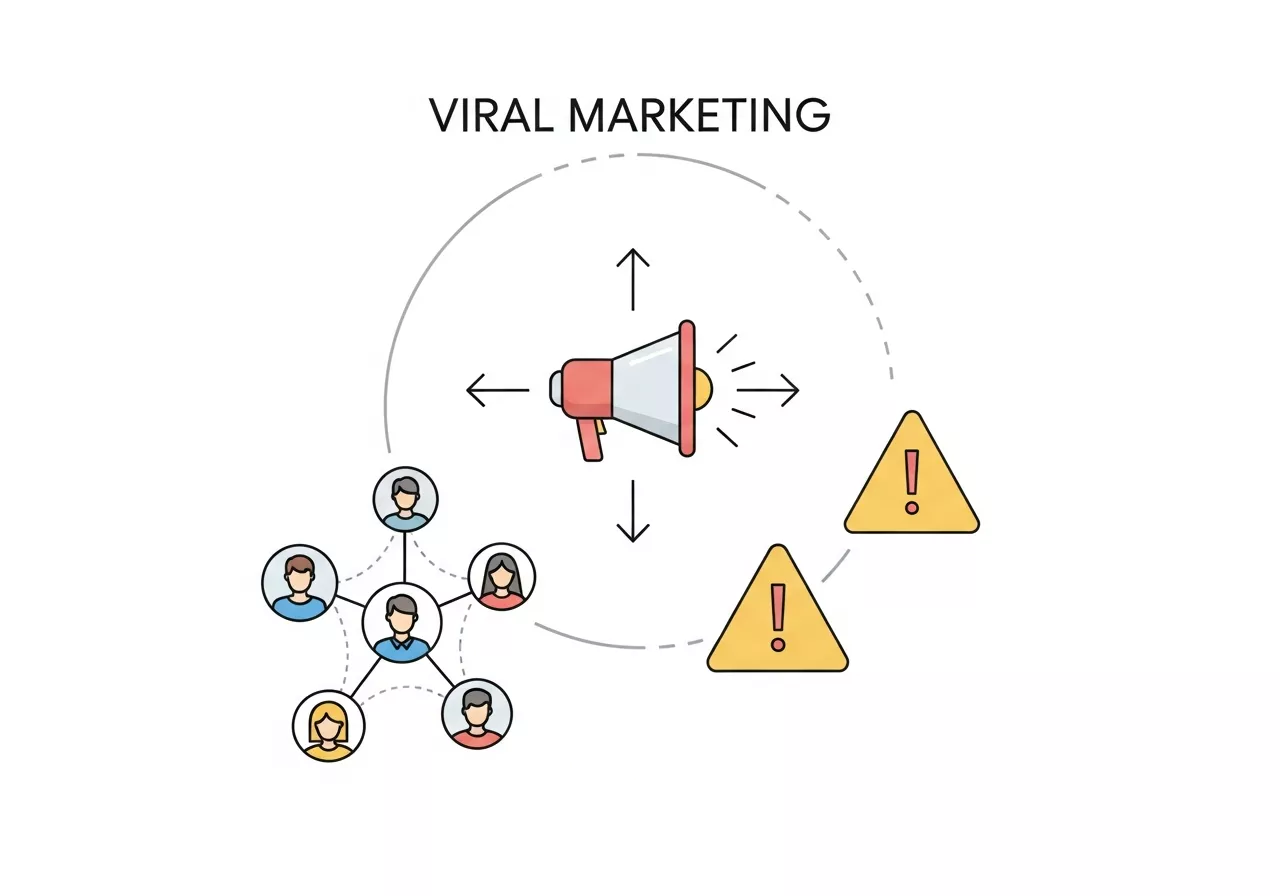
Viral marketing operates on the principle of exponential sharing. When content resonates with audiences, they become voluntary brand ambassadors, spreading your message across their networks without any additional investment from you. This organic amplification can deliver results that traditional advertising methods simply cannot match.
The Viral Advantage: Speed and Scale
The primary benefit of viral marketing lies in its ability to generate massive exposure quickly. A single piece of content can reach millions of people within hours, creating brand awareness that would typically require substantial advertising budgets and months of consistent effort.
Consider how Dollar Shave Club disrupted the razor industry with a single video. Their launch commercial cost $4,500 to produce but generated over 26 million views, transforming an unknown startup into a household name overnight. This level of exposure would have cost millions through traditional advertising channels.
Viral campaigns also tend to be highly cost-effective when they succeed. The organic nature of viral spread means your initial investment can yield returns far beyond what paid advertising typically delivers. Social media platforms amplify viral content through their algorithms, providing additional free exposure.
The Viral Challenge: Unpredictability and Risk
Despite its potential, viral marketing comes with significant drawbacks. The most obvious challenge is unpredictability—there’s no guaranteed formula for creating viral content. Even experienced marketers with substantial budgets cannot reliably produce viral campaigns.
The fleeting nature of viral content presents another challenge. While a viral moment might generate massive awareness, that attention typically fades quickly. Audiences move on to the next trending topic, leaving brands struggling to maintain momentum and convert temporary attention into lasting customer relationships.
Viral marketing also carries reputational risks. Content designed to grab attention can easily backfire, generating negative publicity instead of positive brand awareness. The speed at which viral content spreads means mistakes or misinterpretations can damage your brand reputation before you have time to respond.
Building for the Long Term: Sustainable Marketing Strategies
Sustainable marketing takes a fundamentally different approach, focusing on consistent value delivery and relationship building rather than attention-grabbing moments. This strategy prioritizes long-term customer loyalty over short-term awareness spikes.
The Sustainable Advantage: Consistency and Loyalty
Sustainable marketing excels at building genuine connections with customers. By consistently delivering valuable content, exceptional service, and meaningful experiences, brands create emotional bonds that translate into customer loyalty and repeat business.
This approach generates predictable results over time. While sustainable marketing might not produce overnight success stories, it creates steady growth patterns that businesses can rely on for planning and forecasting. The compound effect of consistent effort often outperforms sporadic viral successes in the long run.
Sustainable marketing also builds brand equity—the intangible value that comes from customer trust, recognition, and positive associations. This equity becomes a competitive advantage that’s difficult for competitors to replicate and provides resilience during market downturns or challenging periods.
The Sustainable Challenge: Time and Patience

The primary drawback of sustainable marketing is the time investment required to see significant results. Building authentic relationships and establishing brand authority takes months or years, not days or weeks. This timeline can be challenging for businesses needing quick growth or facing immediate competitive pressures.
Sustainable marketing also requires consistent resource allocation. Unlike viral campaigns that might succeed with a single creative burst, sustainable strategies demand ongoing investment in content creation, customer service, and relationship maintenance.
Strategic Synergy: Combining Both Approaches
The most effective marketing strategies don’t choose between viral and sustainable approaches—they integrate both to maximize their respective strengths while minimizing individual weaknesses.
Using Viral Marketing to Accelerate Sustainable Growth
Viral moments can serve as powerful catalysts for sustainable marketing efforts. When content goes viral, it creates an opportunity to introduce your brand to new audiences who might become long-term customers through your sustainable marketing initiatives.
The key is having systems in place to capture and nurture the attention generated by viral content. This means having strong onboarding processes, valuable follow-up content, and clear paths for converting casual viewers into engaged community members.
Sustainable Marketing as a Viral Foundation
Your sustainable marketing efforts create the foundation that makes viral success more likely and more valuable. Brands with strong sustainable marketing foundations—engaged communities, consistent content, and clear brand identities—are better positioned to create content that resonates widely.
Additionally, sustainable marketing provides the infrastructure needed to capitalize on viral moments. Established customer service systems, content distribution channels, and community management processes ensure you can handle the influx of attention that comes with viral success.
Choosing Your Marketing Mix
The right balance between viral and sustainable marketing depends on your business goals, resources, and market position. Startups and new products might benefit from attempting viral campaigns to generate initial awareness, while established brands might focus more heavily on sustainable strategies to maintain their market position.
Consider your timeline and resources when making this decision. If you need immediate results and have limited long-term marketing capacity, viral attempts might make sense. However, if you’re building for long-term success and have the resources for consistent effort, sustainable marketing should form the foundation of your strategy.
Key Metrics to Measure Viral and Sustainable Marketing
Measuring success differs between viral and sustainable campaigns. Understanding which KPIs matter helps you optimize efforts, justify budgets, and determine ROI. Viral campaigns focus on reach and engagement, while sustainable strategies emphasize long-term customer behavior and retention.
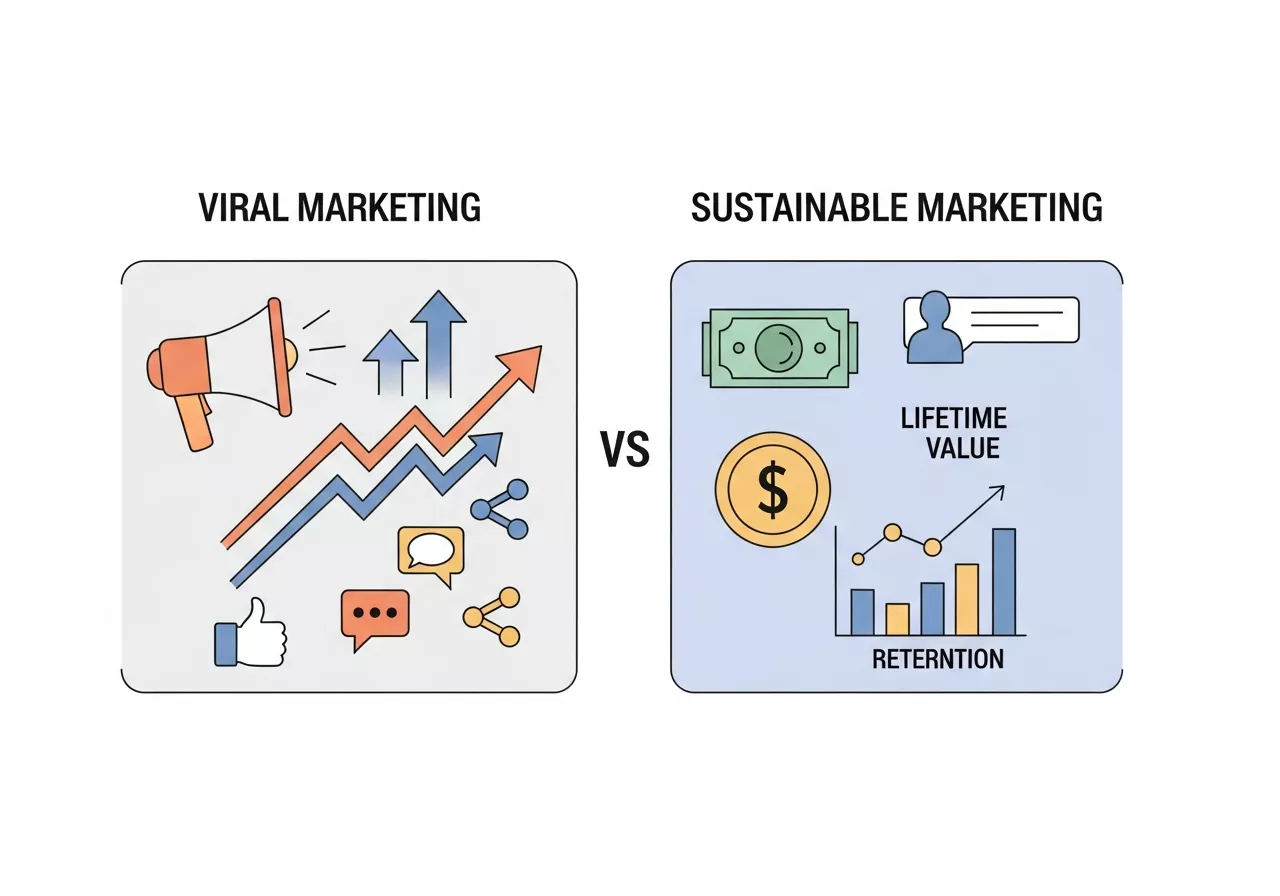
Viral Marketing Metrics:
- Views/Impressions: Total number of times content was seen.
- Shares: How often users distribute your content.
- Engagement Rate: Likes, comments, and interactions per post.
- Virality Coefficient: Average number of new users each existing user brings in.
Sustainable Marketing Metrics:
- Customer Retention Rate (CRR): Percentage of repeat customers over time.
- Lifetime Value (LTV): Total revenue generated by a customer throughout their relationship.
- Conversion Rate: Leads or prospects converted into paying customers.
- Brand Equity Indicators: Customer surveys, Net Promoter Score (NPS), and trust metrics.
Comparison Table of Viral vs. Sustainable Metrics
| Metric Type | Viral Marketing | Sustainable Marketing |
|---|---|---|
| Main Focus | Reach, engagement, shares | Customer retention, lifetime value |
| Timeframe | Short-term (days/weeks) | Long-term (months/years) |
| Predictability | Low | High |
| Cost Efficiency | High if successful | Medium/Long-term |
| Risk Level | High (can backfire) | Low (steady growth) |
Tools and Platforms to Support Viral and Sustainable Marketing
Leveraging the right tools can dramatically increase the effectiveness of both viral and sustainable campaigns. Viral campaigns benefit from social analytics, scheduling, and trend monitoring, while sustainable strategies thrive on CRM platforms, email automation, and content management systems.
Recommended Tools:
- BuzzSumo: Identify trending topics and high-performing content.
- Hootsuite / Buffer: Schedule and optimize social media posts.
- TikTok/Instagram Analytics: Track engagement and shares in real time.
Sustainable Marketing Tools:
- HubSpot CRM / Salesforce: Manage customer relationships and track long-term interactions.
- Mailchimp / ActiveCampaign: Automate email marketing and nurture leads.
- Google Analytics / SEMrush: Monitor website traffic, conversions, and audience behavior.
Comparison Table: Viral vs. Sustainable Tools
| Tool Type | Best For | Benefit |
|---|---|---|
| Social Analytics | Viral campaigns | Identify trends and engagement opportunities |
| CRM Platforms | Sustainable campaigns | Track customer journey and retention |
| Automation Tools | Both | Streamline workflows and improve consistency |
| Analytics Tools | Both | Measure ROI and optimize strategy |
Common Mistakes in Viral and Sustainable Marketing
Even experienced marketers can stumble if they misunderstand the nuances of viral or sustainable marketing. Recognizing common pitfalls helps brands avoid costly missteps.
Viral Marketing Mistakes:
- Chasing trends without relevance to your brand.
- Overlooking the potential reputational risk of provocative content.
- Failing to capture leads or follow up after the viral moment.
Sustainable Marketing Mistakes:
- Inconsistent content output or customer communication.
- Ignoring audience feedback and data-driven insights.
- Allocating too little budget or resources for long-term initiatives.
Key Takeaway: The biggest error is treating viral marketing as a replacement for sustainable efforts. Viral campaigns should amplify, not replace, long-term marketing foundations.
Case Studies: Success Stories in Both Approaches
Real-world examples illustrate how viral and sustainable marketing strategies work individually and together.
Viral Success Example:
-
Dollar Shave Club: A single $4,500 video went viral, generating 26 million views and rapid brand recognition. The campaign relied on humor and shareability to gain traction overnight.
Sustainable Success Example:
-
Patagonia: Focuses on long-term customer loyalty through environmental responsibility, consistent messaging, and community engagement. Growth is steady and predictable, with high customer retention.
Hybrid Approach Example:
-
Blendtec “Will It Blend?” Videos: Viral content drew initial attention, but sustained growth was driven by consistent product messaging, community engagement, and ecommerce infrastructure.
Lessons Learned:
- Viral marketing can accelerate exposure but needs infrastructure to convert attention into loyal customers.
- Sustainable marketing builds resilience, enabling brands to leverage viral moments effectively.
- Combining approaches strategically maximizes both short-term impact and long-term growth.
Budgeting and Resource Allocation
Both viral and sustainable marketing require thoughtful resource allocation. While viral campaigns may have unpredictable returns, they can be cheaper if successful. Sustainable campaigns require consistent investment over time but provide steady, predictable results.
Budgeting Guidelines:
Viral Campaigns:
- Allocate funds for content creation and promotion (e.g., social ads to kickstart reach).
- Reserve a contingency budget to capitalize on unexpected viral opportunities.
Sustainable Campaigns:
- Invest in ongoing content creation, customer engagement programs, and loyalty initiatives.
- Allocate resources for analytics, CRM management, and long-term brand building.
Suggested Allocation Example:
| Campaign Type | Budget % | Notes |
|---|---|---|
| Viral Marketing | 30% | Initial push and content creation |
| Sustainable Marketing | 60% | CRM, content, email nurturing, social engagement |
| Combined Initiatives | 10% | Cross-channel integration and analytics |
Future Trends in Viral and Sustainable Marketing
Marketing is constantly evolving. Staying ahead of trends allows brands to leverage new opportunities while maintaining consistent growth strategies.
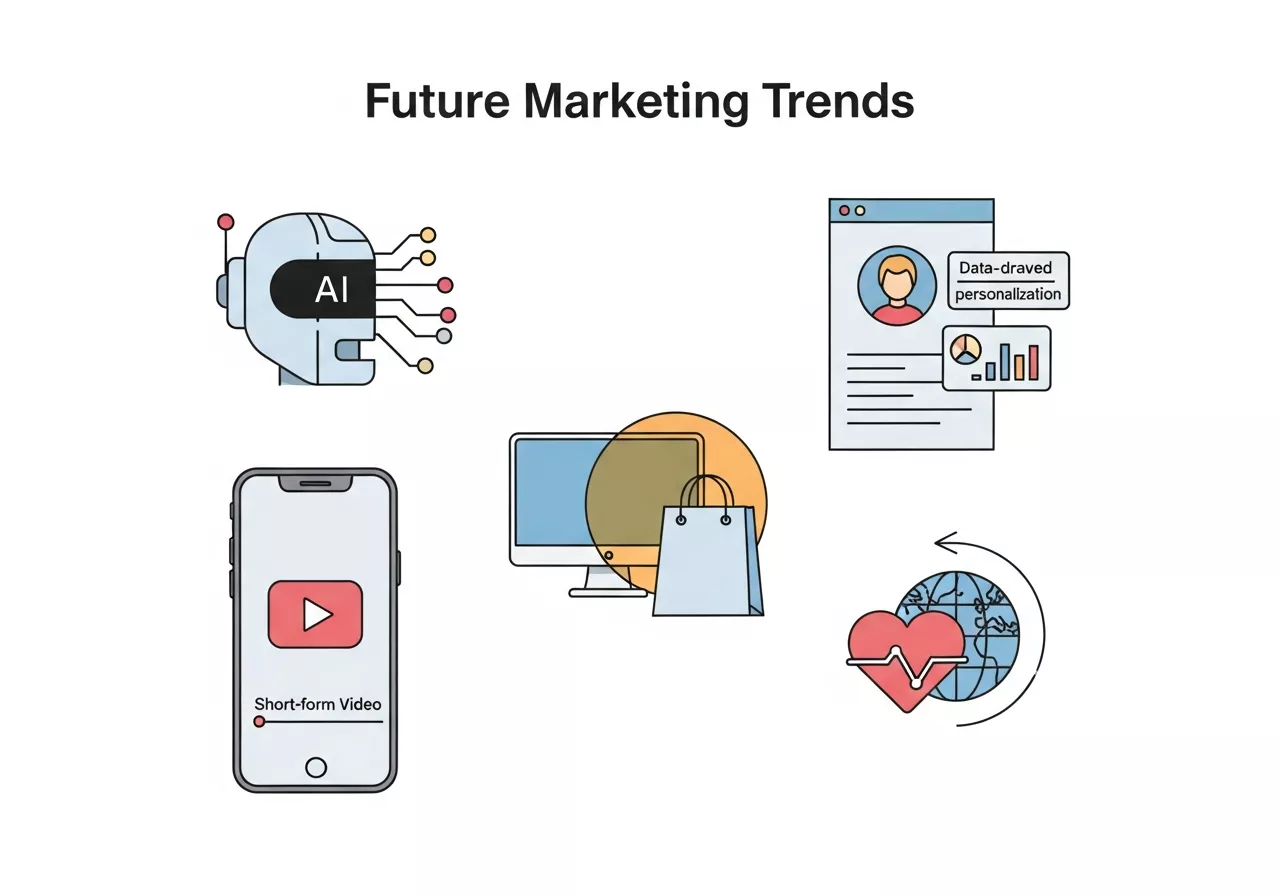
Emerging Trends:
- AI-Powered Content Creation: Tools like ChatGPT or MidJourney can generate viral-worthy copy and visuals faster.
- Short-Form Video Dominance: Platforms like TikTok, Instagram Reels, and YouTube Shorts continue driving viral attention.
- Data-Driven Personalization: Sustainable campaigns increasingly rely on predictive analytics to anticipate customer needs.
- Omnichannel Integration: Blending offline and online strategies ensures sustained engagement across touchpoints.
- Ethical and Purpose-Driven Marketing: Consumers favor brands with social responsibility and transparency, supporting long-term loyalty.
Key Takeaway: Staying current with tools, platforms, and consumer trends allows brands to harness viral opportunities while maintaining sustainable growth, ensuring marketing efforts remain effective in both the short and long term.
Building Marketing That Lasts
Both viral and sustainable marketing have their place in a comprehensive marketing strategy. Viral campaigns can generate awareness and create breakthrough moments, while sustainable marketing builds lasting relationships and consistent growth.
The most successful brands understand that marketing isn’t about choosing one approach over another—it’s about creating a strategic mix that serves both immediate and long-term goals. Start by building sustainable marketing foundations that can support your business over time, then look for opportunities to create viral moments that accelerate your growth.
Focus on creating genuine value for your audience, regardless of whether your current campaign aims for viral spread or sustainable growth. Authentic brands with valuable offerings are more likely to succeed with both approaches.
Frequently Asked Questions (FAQ)
1. What’s the main difference between viral and sustainable marketing?
Viral marketing focuses on rapid, widespread exposure through shareable content, while sustainable marketing builds long-term customer relationships, loyalty, and consistent growth over time.
2. Can viral marketing replace sustainable marketing?
No. Viral marketing is short-term and unpredictable. It should complement, not replace, sustainable marketing efforts that form your brand’s foundation.
3. How do I measure the success of viral marketing?
Key metrics include:
- Views or impressions
- Shares and engagement rate
- Virality coefficient
- Traffic is driven to your landing pages
4. How do I measure sustainable marketing effectiveness?
Track metrics like:
- Customer retention rate (CRR)
- Lifetime value (LTV)
- Conversion rates
- Brand equity indicators (surveys, NPS, trust scores)
5. How much should I budget for viral vs. sustainable campaigns?
Budget depends on resources, goals, and scope:
- Viral: Focus on content creation and amplification costs.
- Sustainable: Allocate consistently for content, customer service, and community engagement.
6. Are certain industries better suited for viral marketing?
Industries with visually engaging products, humor-friendly content, or trend-driven markets often see more viral success, e.g., consumer goods, tech startups, and entertainment.
7. How long does sustainable marketing take to show results?
Sustainable strategies typically take months to years to see significant outcomes, but results are consistent and compound over time.
8. Can I combine viral and sustainable strategies effectively?
Yes. Viral content can generate initial awareness, while sustainable marketing ensures that new attention converts into long-term customer relationships. A hybrid approach maximizes both short-term impact and long-term growth.
9. What tools can help with both viral and sustainable marketing?
Examples include:
- Social media management platforms (Hootsuite, Buffer)
- Email automation (Mailchimp, HubSpot)
- Analytics and tracking tools (Google Analytics, Sprout Social)
- Content creation tools (Canva, Adobe Creative Suite)
10. How do I reduce the risk of viral campaigns backfiring?
- Align content with brand values
- Test ideas with smaller audiences before launch
- Prepare a response plan for potential negative reactions
Learn more about: How AI-Driven Trend Marketing is Shaping the Future of Brand Growth






Leave a Reply