

In an era where attention is the most valuable currency, traditional advertising often struggles to cut through the noise. Enter the new vanguard of digital commerce: influencers in trend marketing. These digital tastemakers have revolutionized how brands connect with audiences, transforming passive consumers into active participants. But how exactly do they do it, and more importantly, how can your brand leverage this power?
This comprehensive guide explores the pivotal role of influencers in trend marketing, dissecting the psychology behind their impact and the strategies they use to ignite cultural movements. We delve into the different tiers of influencers—from mega-stars to nano-creators—and how each serves a unique function in the trend ecosystem. You will learn actionable steps to build authentic partnerships, measure success beyond vanity metrics, and navigate the future of influencer-driven commerce. Whether you are looking to launch a product or redefine your brand voice, understanding this landscape is essential for shaping future success.
The New Architects of Culture
The marketing landscape has shifted dramatically. Where billboards and TV spots once reigned supreme, a new force has emerged. Influencers in trend marketing are not just promoting products; they are the architects of modern culture. They bridge the gap between corporate brands and skeptical consumers, offering a layer of authenticity that traditional ads simply cannot replicate.
Understanding the role of influencers in trend marketing requires looking beyond the follower count. It is about understanding their ability to sway public opinion, introduce novel concepts, and validate purchasing decisions through social proof. These creators act as filters for the overwhelming amount of content online, curating trends that resonate with specific niches and communities.
The Psychology Behind Influencer-Driven Trends
Why do we listen to influencers? The answer lies in deep-seated psychological triggers. Influencers in trend marketing tap into fundamental human behaviors that drive decision-making.
Social Proof and Peer Influence
At its core, influencer marketing leverages social proof—the psychological phenomenon where people copy the actions of others in an attempt to undertake behavior in a given situation. When an influencer showcases a new skincare routine or a tech gadget, it signals to their audience that this behavior is correct and desirable. The parasocial relationships formed—where followers feel a one-sided but intense connection to the creator—amplify this effect. It feels less like a sales pitch and more like a recommendation from a friend.
The Fear of Missing Out (FOMO)
Marketing FOMO is a powerful tool in the influencer’s arsenal. By creating content that highlights exclusivity or time-sensitivity (“Get it before it’s gone!” or “Join the challenge now!”), influencers in trend marketing trigger an urgent desire to participate. This isn’t just about buying a product; it’s about buying into a moment. Successful campaigns often use a FOMO marketing strategy to drive immediate action, turning a passive viewer into an active buyer.
Types of Influencers and Their Trend-Setting Power
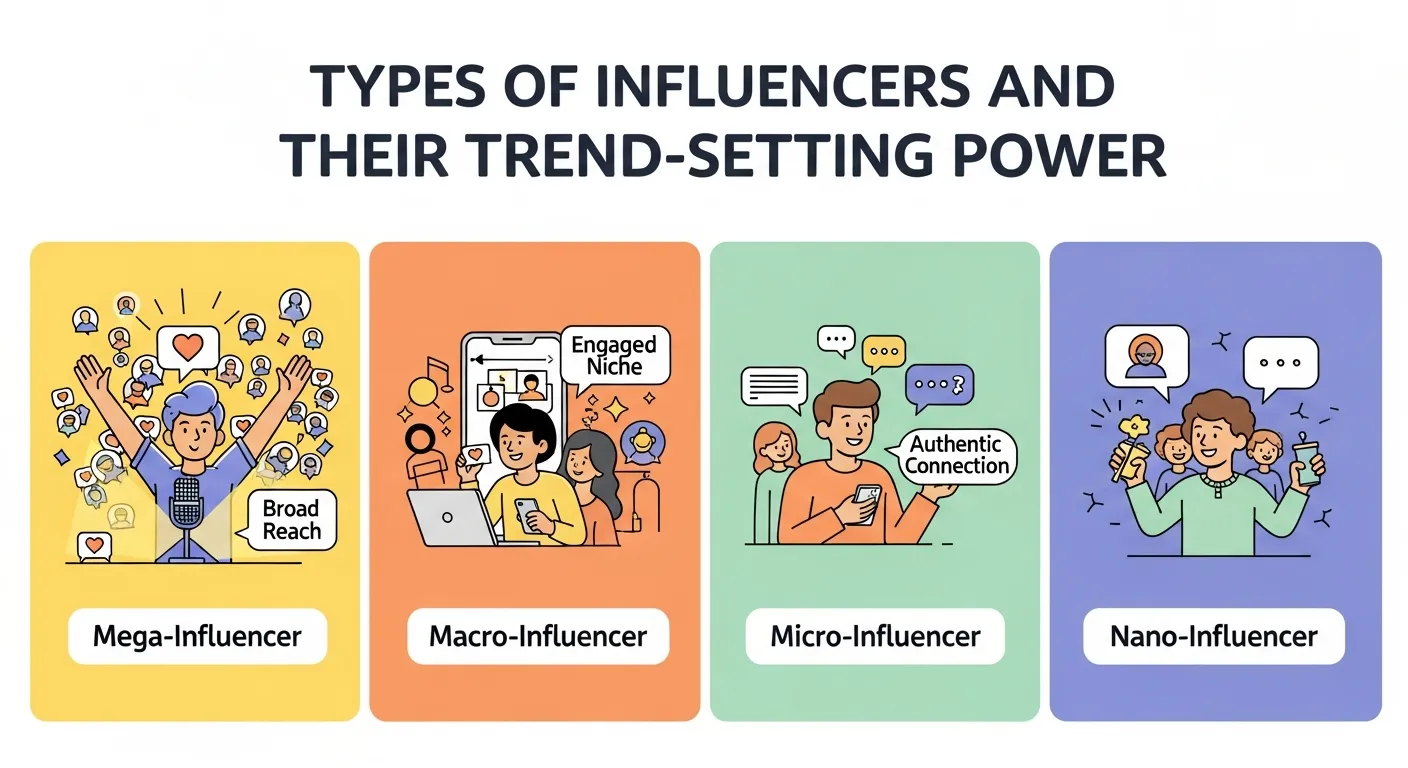
Not all influencers in trend marketing are created equal. They operate in different tiers, each with distinct advantages for trend propagation.
Mega-Influencers and Celebrity Endorsements
These are the powerhouses with over one million followers. While their engagement rates might be lower percentage-wise, their sheer reach is undeniable.
- Role: Awareness at scale.
- Strategy: They are excellent for brand awareness and introducing a trend to the mainstream quickly.
- Example: A celebrity wearing a specific sneaker brand can instantly legitimize it globally.
Macro-Influencers: The Sweet Spot
With 100,000 to one million followers, macro-influencers offer a balance of high reach and focused relevance.
- Role: Authority in specific niches.
- Strategy: They are often professional content creators who can produce high-quality assets. They are vital for influencer marketing for product launches where detailed explanation is needed.
Micro-Influencers: Authentic Trend Cultivation
Ranging from 10,000 to 100,000 followers, these creators are the unsung heroes of influencers in trend marketing.
- Role: Deep engagement and trust.
- Strategy: Their recommendations hold significant weight. They are perfect for product positioning within specific communities. A micro-influencer in the vegan cooking niche can drive more targeted sales for a plant-based product than a generic celebrity.
Nano-Influencers: Grassroots Trend Building
With fewer than 10,000 followers, these are everyday people with highly engaged local or niche followings.
- Role: Hyper-local or hyper-niche influence.
- Strategy: They are excellent for grassroots trend building. When multiple nano-influencers talk about a topic, it creates a “surround sound” effect that feels organic.
|
Influencer Tier |
Follower Count |
Best For |
Trend Marketing Role |
|---|---|---|---|
|
Mega |
1M+ |
Broad Awareness |
Mainstream validation |
|
Macro |
100K – 1M |
Niche Authority |
Professional content & reach |
|
Micro |
10K – 100K |
Engagement & Trust |
Deep community penetration |
|
Nano |
<10K |
Authenticity |
Grassroots movement building |
Strategies Influencers Use to Drive Trends
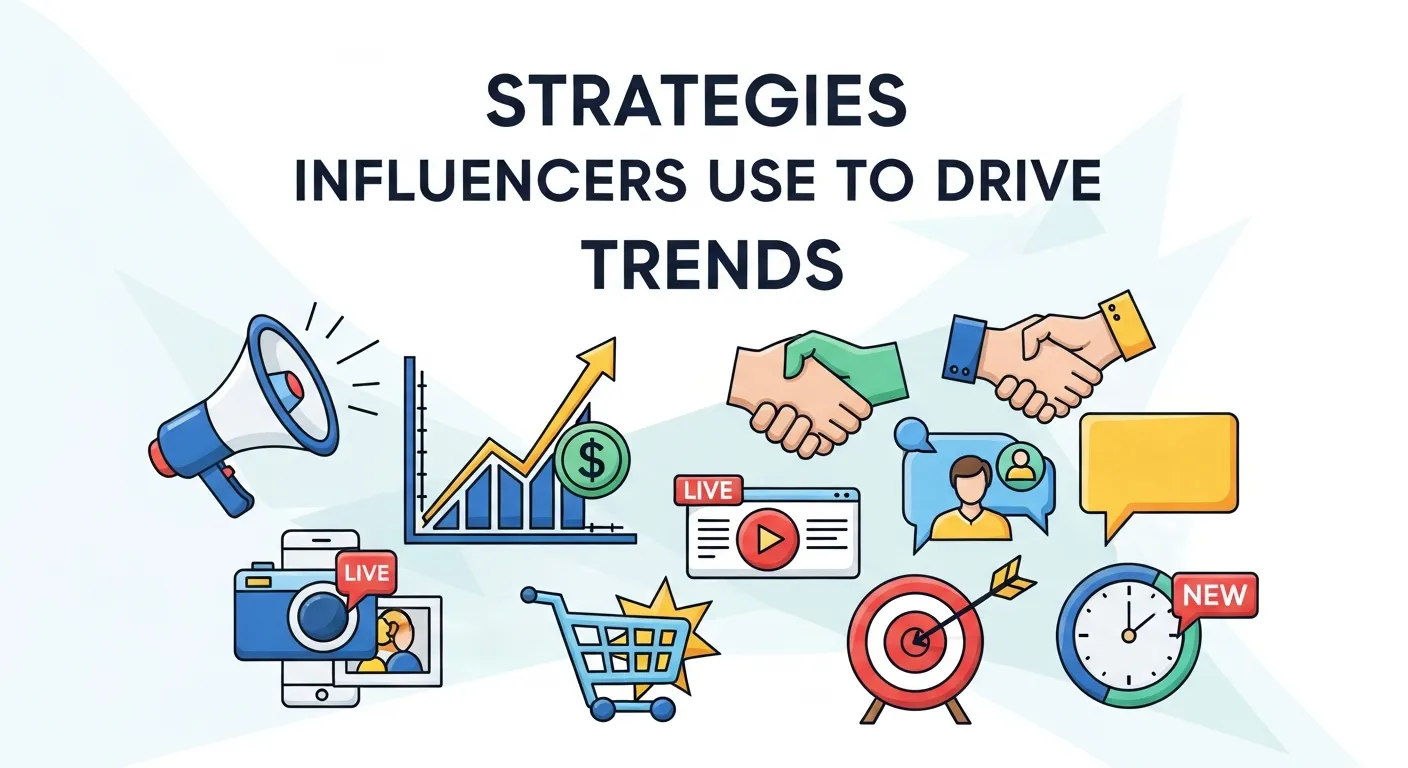
Influencers in trend marketing don’t just get lucky; they use sophisticated strategies to ensure their content resonates.
Content Timing and Platform Strategy
Timing is everything. Influencers understand the rhythm of the internet. They know when to post to maximize visibility and how to ride the wave of seasonal trends in marketing.
- Cross-Platform Orchestration: A trend might start with a visual hook on Instagram, move to a tutorial on TikTok, and end with a deep-dive review on YouTube. Influencers in trend marketing master this flow.
- Seasonality: Leveraging seasonality in marketing is key. Influencers plan content around holidays, seasons, and cultural events. For example, how to create summer discount codes that feel exclusive to their audience during peak shopping months.
Storytelling and Lifestyle Integration
The most effective influencers in trend marketing weave products into a larger narrative. They don’t just show a coffee machine; they show the “cozy morning routine” that the machine enables.
- Aspirational Content: By integrating trends into an aspirational lifestyle, they make the trend desirable.
- Problem-Solution: They demonstrate how a trend solves a real-life problem, adding practical value to the aesthetic appeal.
Community Building and Engagement
Engagement is the currency of the influencer economy.
- User-Generated Content (UGC): Influencers encourage their followers to participate. “Show me your version!” calls to action create a ripple effect.
- Challenges: Viral challenges are a staple of viral marketing on TikTok. Influencers in trend marketing often kickstart these challenges, providing the template for millions of users to follow.
The Brand-Influencer Partnership Dynamic
For brands, the challenge is not just finding influencers, but building effective partnerships with influencers in trend marketing.
Identifying the Right Partners
Don’t just look at the numbers. Look at the alignment.
- Values Match: Does the influencer’s personal brand align with your brand positioning statement?
- Audience Overlap: Is their audience your target demographic?
- Track Record: Have they successfully driven trends before? A social media influencer who has a history of spotting trends early is a valuable asset.
Balancing Creative Freedom with Brand Guidelines
This is a delicate dance. Brands need to ensure their message is conveyed, but over-scripting an influencer kills authenticity.
- The Brief: Provide clear goals (e.g., “Drive awareness for our new EID marketing ideas“) but leave the “how” up to the creator.
- Trust: Trust that influencers in trend marketing know their audience better than you do. If they say a specific type of video won’t work, listen to them.
Platform-Specific Trend Dynamics
Influencers in trend marketing adapt their strategies based on the platform.
Instagram: The Visual Showcase
Instagram is the home of aesthetic trends. From “cottagecore” fashion to “clean girl” makeup, visuals drive the narrative here.
- Reels: Short-form video is crucial for influencers in trend marketing on Instagram to showcase transformations and quick tips.
- Stories: These offer a raw, behind-the-scenes look that builds intimacy and trust.
TikTok: The Viral Engine
TikTok is where trends are born and die at warp speed.
- Audio Trends: Sonic branding plays a huge role here. Influencers use trending audio to boost discoverability.
- Authenticity: High production value often performs worse than raw, authentic content on TikTok.
YouTube: The Deep Dive
For complex trends or products requiring explanation, YouTube is king.
- Searchability: YouTube content lives longer. Digital marketing on YouTube is a long-term play for trend education.
- Trust: Long-form reviews build deep authority.
Measuring Trend Marketing Success
How do you know if your investment in influencers in trend marketing is paying off?
Beyond Vanity Metrics
Likes and comments are nice, but they don’t pay the bills.
- Share of Voice: Are people talking about your brand more than your competitors?
- Sentiment Analysis: Is the conversation positive? Brand perception in marketing is critical.
- Trend Adoption: Are you seeing organic UGC created by people outside the influencer’s immediate circle?
Sales and Conversions
Ultimately, marketing must drive business results.
- Affiliate Links: Track direct sales from influencer campaigns.
- Traffic Spikes: Monitor website traffic during campaign peaks.
Challenges and Ethical Considerations
The power of influencers in trend marketing comes with responsibility.
Authenticity vs. Commercial Interest
As influencers take on more sponsorships, audience skepticism grows.
- Disclosure: Clear disclosure of paid partnerships is not just a legal requirement; it’s an ethical one. Influencers in trend marketing must be transparent to maintain trust.
- Saturation: Promoting too many conflicting products can dilute an influencer’s authority.
Sustainability and Responsibility
Trends often encourage consumption.
- Ethical Branding: There is a growing movement towards sustainable trends. Influencers in trend marketing are increasingly held accountable for the environmental impact of the trends they promote.
- Social Responsibility: Creators must be aware of the social implications of their content.
Future Trends in Influencer Marketing
The landscape of influencers in trend marketing is constantly evolving.
AI and Content Creation
Trend marketing AI data strategy is becoming a reality. AI tools help influencers optimize content and predict trends. However, the human connection remains irreplaceable.
- Virtual Influencers: CGI influencers are entering the chat, offering brands total control but lacking human authenticity.
Micro-Community Focus
The future belongs to the niche.
- Private Communities: Discord servers and broadcast channels are becoming new hubs for influencers in trend marketing to cultivate super-fans.
- Deep Connection: Brands will shift focus from broad reach to deep, meaningful engagement within specific micro-communities.
The Rise of “De-Influencing”
A counter-trend where influencers tell audiences what not to buy.
- Trust Building: Paradoxically, this builds immense trust. Influencers in trend marketing who are honest about bad products are trusted more when they recommend good ones.
Conclusion
Influencers in trend marketing are not a passing fad; they are the new gatekeepers of cultural relevance. They possess the unique ability to translate brand messages into human experiences, creating the social proof and emotional connection necessary to drive modern consumption.
For brands, the path forward is clear: stop viewing influencers as billboards and start viewing them as partners. By understanding the psychology of influence, respecting the creativity of creators, and focusing on authentic community building, you can harness the power of influencers in trend marketing to not just follow trends, but to shape them.
The future of marketing is personal, it is authentic, and it is influencer-led. Are you ready to join the conversation?
Frequently Asked Questions (FAQs)
1. What defines “influencers in trend marketing” compared to standard influencers?
Influencers in trend marketing specifically focus on identifying, adopting, and amplifying emerging cultural shifts and consumer behaviors. While a standard influencer might just review a product, a trend marketer positions that product within a broader cultural movement or aesthetic, driving widespread adoption.
2. How do I choose the right tier of influencer for my trend campaign?
It depends on your goal. For broad brand awareness, go with Mega or Macro influencers. For deep trust and higher conversion rates within a specific niche, Micro and Nano influencers are superior. Often, a mix of tiers provides the best trend marketing strategy.
3. Can B2B companies leverage influencers in trend marketing?
Absolutely. B2B influencers (often industry thought leaders) on platforms like LinkedIn drive trends in B2B digital marketing strategies, software adoption, and professional development. The principles of social proof and authority remain the same.
4. How important is TikTok for influencers in trend marketing?
Currently, it is critical. TikTok’s algorithm is designed for virality, making it the primary engine for starting new trends. Viral marketing on TikTok allows trends to spread faster than on any other platform.
5. What is the biggest mistake brands make with influencers in trend marketing?
Stifling creativity. Brands often try to script the content too heavily. Influencers in trend marketing know their audience best; brands should provide the “what” and let the influencer decide the “how” to ensure authenticity.
6. How do influencers impact “seasonal trends in marketing”?
Influencers act as the signal for the start of a season. When influencers start posting about “pumpkin spice” or “summer glow,” it signals to the audience that the season has begun, triggering seasonal marketing ideas and purchasing behaviors.
7. What is “de-influencing” and how does it affect trend marketing?
De-influencing is a trend where creators advise against buying certain hyped products. While it seems negative, it actually builds high trust. Brands with quality products can benefit from this honesty, as recommendations from honest creators carry more weight.
8. How can I measure the ROI of an influencer trend campaign?
Look at a combination of metrics: engagement rates, click-through rates, coupon code usage, and qualitative data like sentiment analysis. Also, track long-term metrics like brand equity in marketing and community growth.
9. Are influencers replacing traditional trend forecasting?
Not replacing, but accelerating. Traditional forecasting (like WGSN) looks at macro shifts. Influencers in trend marketing provide real-time data on what is resonating right now, acting as an immediate feedback loop for brands.
10. How do I start a career as an influencer in trend marketing?
Start by picking a specific niche. consistently create content that adds value—educate, entertain, or inspire. Engage deeply with your community. Study how to become a social media influencer and stay ahead of the curve by spotting trends early in your niche.






Leave a Reply