

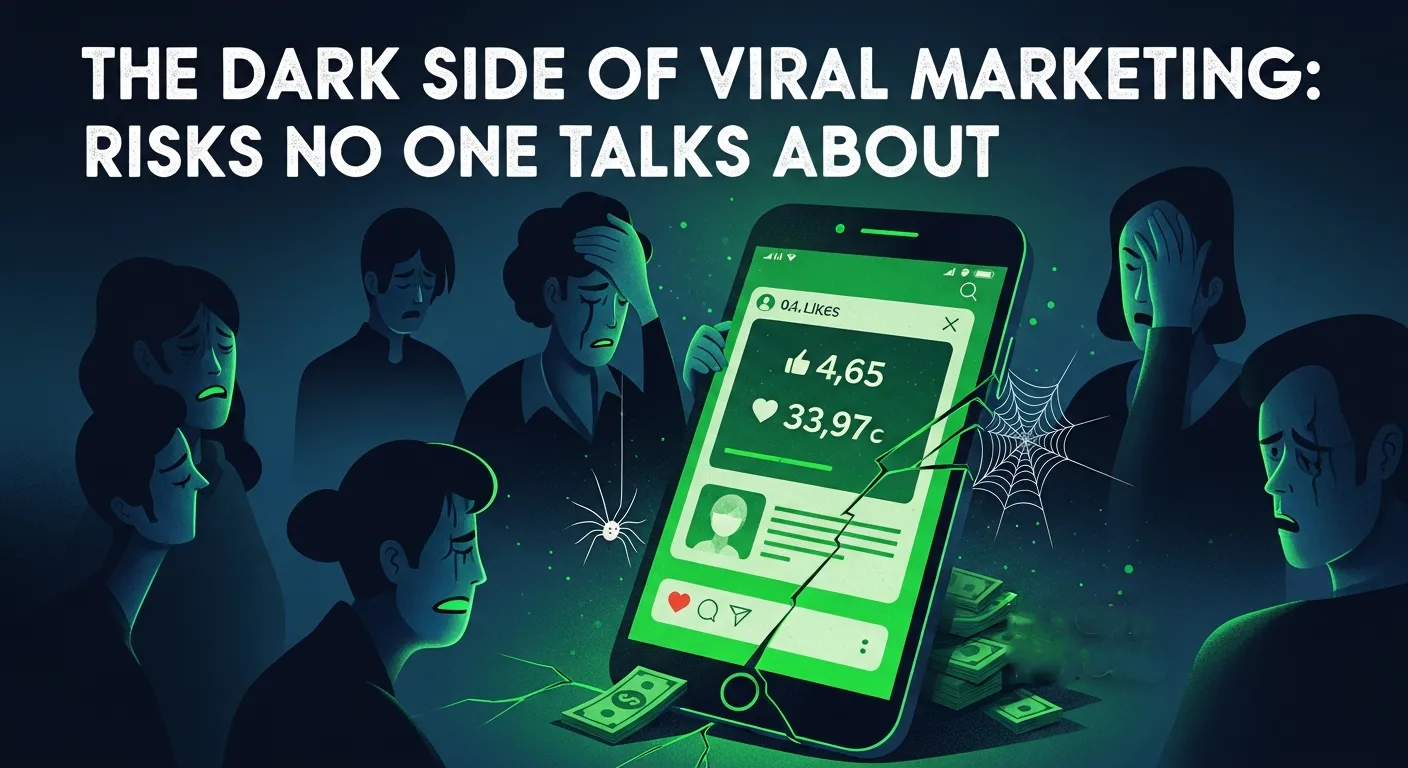
Chasing viral fame seems like a marketer’s dream, but it can quickly turn into a nightmare. Let’s explore the dark side of viral marketing and its hidden risks.
Viral marketing offers massive reach but hides significant dangers. This guide explores the dark side of viral marketing, including loss of message control, public backlash, and brand identity dilution. We will examine real-world examples and provide strategies to mitigate these risks, ensuring your marketing efforts build value, not chaos.
The Allure of Virality and Its Hidden Perils
Viral marketing is the modern-day gold rush. Brands dream of creating that one piece of content—a witty video, a clever meme, or a heartfelt story—that captures the internet’s imagination and spreads like wildfire. The promise is intoxicating: millions of views, massive brand awareness, and skyrocketing sales, all achieved with a minimal advertising budget. Success stories, like the ALS Ice Bucket Challenge or Old Spice’s “The Man Your Man Could Smell Like” campaign, are held up as the pinnacle of marketing genius.
However, beneath the surface of these celebrated victories lies a much more treacherous landscape. For every campaign that achieves positive virality, countless others misfire, backfire, or go viral for all the wrong reasons. This is the dark side of viral marketing, a reality filled with reputational damage, legal nightmares, and operational chaos that is rarely discussed in marketing textbooks.
Chasing virality without understanding these risks is like sailing in a storm without a life raft. The very nature of viral content—its speed, its unpredictability, and its reliance on public interpretation—makes it a double-edged sword. While the rewards are high, the potential for brand destruction is equally potent. The dark side of viral marketing reveals that what can build a brand overnight can also tear it down just as quickly. This guide will shine a light on these hidden dangers and provide a roadmap for navigating them.
What Is Viral Marketing, Really?
Before we dissect the risks, it’s crucial to have a clear definition. Viral marketing, as defined by sources like Wikipedia, describes any marketing technique that induces websites or users to pass on a marketing message to other sites or users, creating a potentially exponential growth in the message’s visibility and effect. The goal is to create something so inherently shareable that the audience becomes the primary distribution channel.
This user-driven spread is what makes it both powerful and perilous. You are handing the reins of your brand’s narrative over to the public. While this can lead to authentic engagement and massive reach, it also introduces a significant element of unpredictability. Understanding this dynamic is the first step toward confronting the dark side of viral marketing.
1. The Uncontrollable Narrative: Loss of Message Control
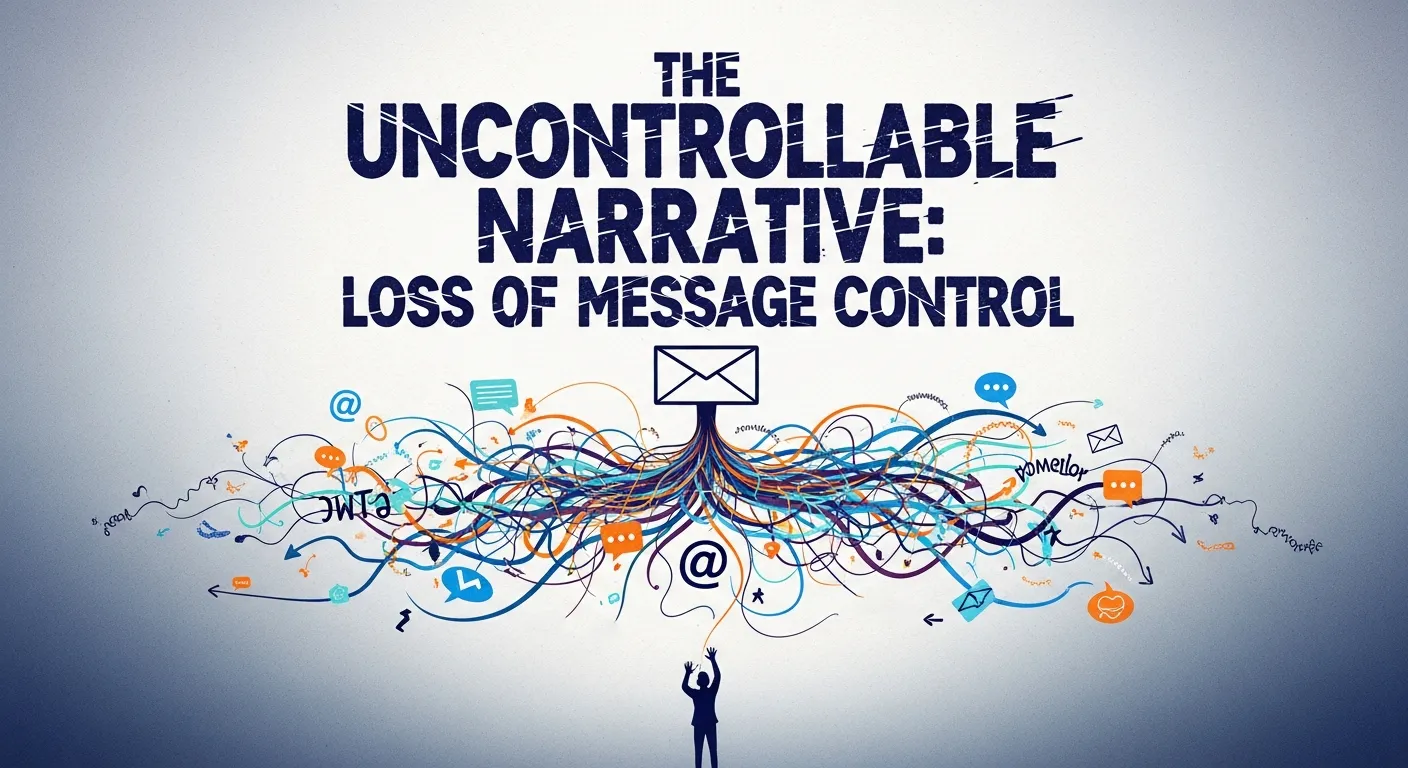
The moment your content is released into the wilds of the internet, you lose control. In traditional marketing, brands meticulously craft and control their message. With viral marketing, the audience becomes the co-author, and their interpretations, remixes, and parodies redefine the narrative. This is a fundamental aspect of the dark side of viral marketing.
A classic example is the 2017 Pepsi ad featuring Kendall Jenner. The intended message was one of unity and harmony. The public, however, perceived it as a tone-deaf and offensive trivialization of serious social justice movements like Black Lives Matter. The ad went viral, but for reasons Pepsi never intended. The hashtag #PepsiAd generated a firestorm of criticism, forcing the company to pull the commercial and issue a public apology. The message was hijacked, and Pepsi’s brand perception suffered a significant blow.
Key Takeaways:
- Meme-ification and Satire: Your serious message can be turned into a joke. Memes can strip your content of its original context, leaving only a caricature behind.
- Misinterpretation: Cultural nuances, slang, and social contexts are complex. What is acceptable in one group may be deeply offensive to another.
- The Echo Chamber Effect: Once a negative interpretation gains traction, social media algorithms can amplify it, creating a feedback loop of outrage that drowns out your intended message. This is a core danger of the dark side of viral marketing.
2. The Fleeting Nature of Fame: Short-Lived Attention and Shallow Engagement
Viral fame is notoriously fickle. A campaign can dominate the conversation for 48 hours and be completely forgotten by the next week. The dark side of viral marketing here is that it often builds buzz, not a brand. The surge in attention is temporary and rarely translates into lasting brand loyalty or meaningful customer relationships.
This phenomenon is sometimes called “viral fatigue.” Audiences are bombarded with so much content vying for their attention that they become desensitized. They might engage with a funny video, but do they remember which brand created it a week later? Often, the answer is no. This leads to a situation where brands chase short-term spikes in vanity metrics—likes, shares, views—at the expense of building long-term brand equity in marketing.
Furthermore, this short-term focus creates immense pressure to constantly produce the next viral hit, a strategy that is unsustainable and can lead to a decline in content quality. The dark side of viral marketing is that it prioritizes fleeting popularity over sustainable growth and building brand consistency.
3. The Court of Public Opinion: Backlash and Cancel Culture
In today’s hyper-aware digital landscape, the line between edgy and offensive is perilously thin. A misstep can lead to immediate and ferocious public backlash, often referred to as “cancel culture.” This is perhaps the most dangerous aspect of the dark side of viral marketing.
Even campaigns with good intentions can be perceived as tone-deaf, exploitative, or insensitive. For example, a brand might try to engage in real-time trend marketing by commenting on a social issue, only to be accused of “woke-washing” or opportunistic behavior.
Peloton’s 2019 holiday ad, “The Gift That Gives Back,” is a prime example. The ad, featuring a woman documenting her fitness journey on a Peloton bike given to her by her husband, was widely criticized as sexist and dystopian. The backlash was so intense that the company’s stock price dropped by over 9% in a single day. While Peloton recovered, the incident serves as a stark reminder of how quickly the public can turn on a brand. This reputational damage is a core component of the dark side of viral marketing. Effective digital reputation management becomes critical in such scenarios.
4. The One-Hit Wonder Trap: Excessive Pressure to Replicate Success
Achieving viral success can be both a blessing and a curse. The curse is the immense internal and external pressure to do it again. Leadership, seeing the massive ROI from one campaign, may begin to expect virality from all future marketing efforts. This creates an unhealthy environment where creative teams are pushed to chase lightning in a bottle, a fundamentally unpredictable endeavor.
This pressure often leads to:
- Inauthentic Content: Trying to force virality results in gimmicky, derivative, or desperate-feeling content that alienates audiences.
- Strategic Drift: The focus shifts from core brand marketing strategy objectives to simply “going viral.” Shareability becomes the only KPI, diluting the brand’s core message and values.
- Creative Burnout: The constant demand for viral hits can exhaust creative teams, leading to a decline in innovation and morale.
The dark side of viral marketing is that a single success can set an unsustainable precedent, distorting a company’s entire marketing culture.
5. Navigating Legal and Ethical Minefields
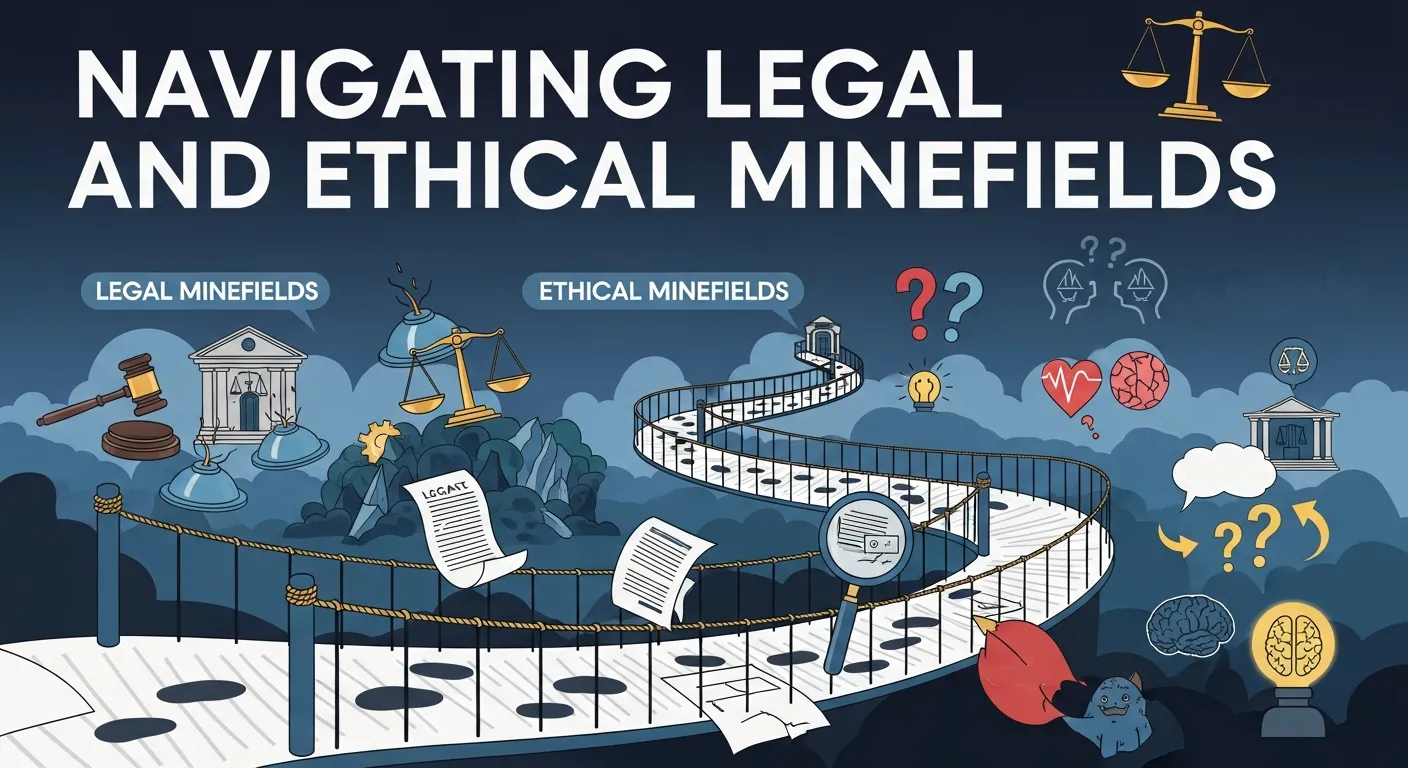
In the frantic race to create viral content, legal and ethical considerations are often overlooked. The dark side of viral marketing is littered with lawsuits and ethical breaches.
|
Risk Category |
Description |
Real-World Consequence |
|---|---|---|
|
Copyright Infringement |
Using popular music, video clips, or images without the proper license. “Everyone is using this sound on TikTok” is not a legal defense. |
Hefty fines, legal fees, and forced removal of content. |
|
Privacy Violations |
Featuring individuals in content without their explicit consent (e.g., street interviews, crowd shots). |
Lawsuits, reputational damage, and violations of regulations like GDPR. |
|
Misleading Claims |
Making exaggerated or false statements about a product’s capabilities to create a “wow” factor. |
FTC investigations, false advertising lawsuits, and loss of consumer trust. |
|
Ethical Transgressions |
Employing shock tactics, promoting harmful behaviors, or exploiting sensitive topics for attention. |
Public outrage, boycotts, and long-term damage to brand perception in marketing. |
The fast-paced nature of viral marketing makes it easy to cut corners. However, the legal and ethical consequences can be severe, turning a potential marketing win into a costly disaster. A robust brand safety in digital marketing protocol is non-negotiable.
6. The Erosion of Brand Identity: Brand Identity Dilution
Not every brand is meant to be a comedian or an activist. In an attempt to jump on trends, many companies stray from their established brand voice and identity. A luxury brand marketing a high-end product might feel tempted to create a quirky TikTok video. While it might garner views, it can also dilute the brand’s image of exclusivity and sophistication.
This inconsistency confuses the core audience and weakens the brand’s positioning. The dark side of viral marketing is that in chasing a new, broader audience, you risk alienating the loyal customers who built your brand in the first place. This is a form of brand cannibalization, where your new marketing efforts eat away at your established brand identity. Maintaining brand alignment is crucial. If a viral idea doesn’t fit your brand archetypes framework, it’s better to pass on it.
7. The Nightmare of Success: Operational Unpreparedness
Imagine your campaign goes viral beyond your wildest dreams. Your website traffic explodes by 10,000%. Orders are flooding in every second. This sounds like a great problem to have, but for a business that isn’t prepared, it’s a catastrophe. This operational failure is a very practical example of the dark side of viral marketing.
Potential consequences include:
- Website Crashes: Your servers can’t handle the traffic, leading to a poor user experience and lost sales.
- Inventory Stockouts: You sell out of your product in hours, leading to angry customers and missed revenue opportunities.
- Customer Service Overload: Your support team is overwhelmed with inquiries, leading to long wait times and frustrated customers.
- Shipping Delays: Your logistics can’t keep up with the volume of orders, resulting in broken delivery promises.
A viral success can quickly become a PR disaster if the operational backend isn’t ready to support the front-end hype. This is particularly true for small to mid-sized businesses.
8. Opening Pandora’s Box: Bots, Trolls, and Internet Chaos
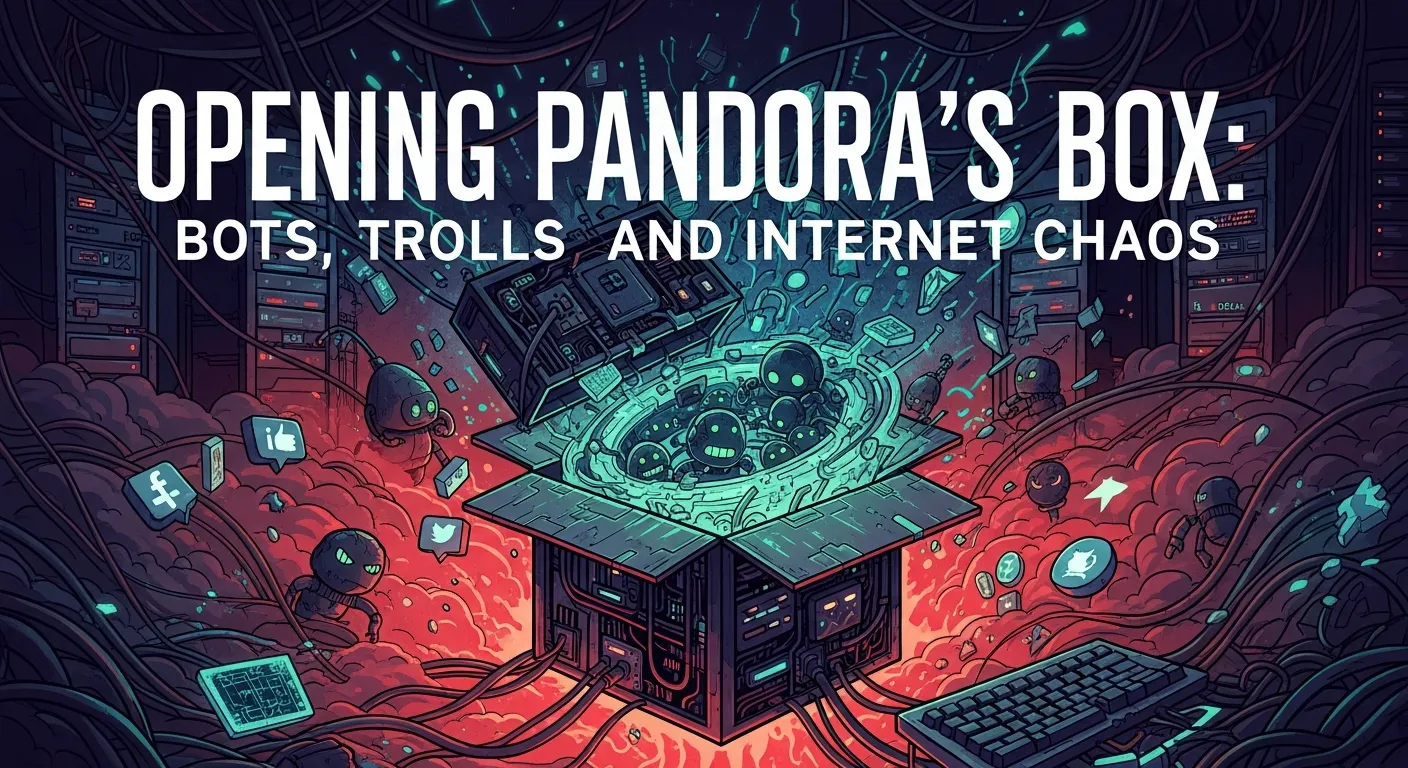
When you go viral, you don’t just reach potential customers; you reach the entire internet, including its less savory elements. The dark side of viral marketing exposes your brand to a torrent of bots, trolls, and malicious actors.
- Trolls and Haters: Individuals who seek to hijack your comment sections with negativity, hate speech, or off-topic arguments.
- Bots: Automated accounts that can spam your posts, manipulate engagement metrics, or spread misinformation.
- Scammers: Malicious actors who may create fake profiles mimicking your brand to phish for customer information or run fraudulent promotions.
Managing this influx of negativity and chaos requires a dedicated social media management team and robust crisis management services. Without them, your viral moment can quickly devolve into an unmoderated mess that damages your brand’s credibility.
9. The Mirage of Vanity Metrics: Misleading Analytics
A video with 10 million views looks impressive on a report, but what does it actually mean for your business? One of the most subtle dangers on the dark side of viral marketing is the temptation to focus on vanity metrics (likes, shares, views) while ignoring business-critical KPIs (Key Performance Indicators).
High engagement does not always equal high value. Did those 10 million views translate into sales, leads, or even an increase in positive brand perception? Viral traffic is often low-intent; users are there for the entertainment, not to make a purchase.
Relying on vanity metrics can mask serious problems in your marketing funnel. A skilled digital marketing expert knows to look deeper, using tools like Google Analytics to track the actual conversion rates from viral traffic. As sources like Ahrefs or Backlinko emphasize, traffic is only valuable if it leads to a desired outcome. The dark side of viral marketing is that it can make you feel successful while your business objectives go unmet.
How to Mitigate the Dark Side of Viral Marketing
While the risks are significant, they are not insurmountable. Brands can pursue bold, creative ideas while still protecting themselves.
- Prioritize Strategy Over Stunts: Every marketing decision should be rooted in your core brand strategy framework. Ask: Does this align with our values? Does it serve a real business goal beyond just getting attention?
- Conduct a “Pre-Mortem”: Before launching a campaign, brainstorm all the ways it could possibly go wrong. How could it be misinterpreted? What are the potential negative reactions? This helps you anticipate and prepare for backlash.
- Establish a Crisis Management Plan: Have a clear protocol for who responds, what they say, and on which channels if a campaign goes south. Speed and transparency are key in negative content management.
- Vet for Legal and Ethical Issues: Have legal and HR teams review all content before it goes live. Ensure all licenses are secured and the content adheres to your ethical branding guidelines.
- Focus on Community, Not Clicks: Instead of chasing virality, focus on building a loyal community. Create content that provides genuine value to your target audience. Viral vs. sustainable marketing is a key consideration; sustainable growth is always the better long-term bet.
Conclusion
The pursuit of viral fame is one of the most exciting and terrifying aspects of modern marketing. The potential rewards are undeniable, but the dark side of viral marketing is a minefield of reputational, legal, and operational risks. Brands that ignore these dangers do so at their peril. The key is not to abandon creativity but to ground it in strategy, ethics, and preparation. Focus on creating authentic, valuable content that resonates with your core audience. If it happens to go viral, you’ll be ready for it. If not, you’ll still have built something of lasting value for your brand.
FAQs
1. Is viral marketing just for B2C companies?
No, but the dark side of viral marketing can be different for B2B. A B2B company that goes viral for the wrong reasons can lose professional credibility, which can be harder to regain than consumer trust. B2B viral content should focus on thought leadership and industry insights rather than humor or shock value.
2. How can a small business prepare for going viral?
A small business should focus on scalability. Ensure your web hosting can handle a traffic spike, have a plan for managing inventory, and use a scalable customer service platform. Discussing the possibility with your suppliers and logistics partners beforehand is also wise.
3. What is the first thing to do if a campaign goes viral for the wrong reasons?
The first step is to listen. Monitor social media to understand why people are upset. Then, respond quickly, humbly, and transparently. A sincere apology is often more effective than a defensive corporate statement. Activating your crisis management services plan is essential.
4. Does paying for promotion kill the “viral” nature of a campaign?
Not necessarily. Many viral campaigns are “seeded” with a small amount of paid promotion to get them in front of an initial audience. The key is that the growth becomes organic after that initial push. However, relying too heavily on paid ads means it’s not truly viral.
5. How do you measure the ROI of a viral campaign if not by views?
Focus on business metrics. Track referral traffic to your website using Google Analytics, measure the conversion rate of that traffic, and monitor brand search volume increases using tools like SEMrush. Use unique discount codes or landing pages to attribute sales directly to the campaign.
6. Can a brand ever fully recover from a viral marketing disaster?
Yes, but it takes time, effort, and a genuine commitment to change. It often requires a public apology, concrete actions to address the mistake, and a long period of consistent, positive brand behavior to rebuild trust.
7. Is it better to be “safe” and “boring” than risk the dark side of viral marketing?
It depends on your brand’s risk tolerance. “Safe” marketing is less likely to cause a disaster but also less likely to generate significant buzz. A balanced approach, or “calculated risks,” is often best. The goal is to be interesting without being reckless.
8. How do you know if your content is at risk of misinterpretation?
Test it with a diverse group of people from different backgrounds before launching. What seems harmless to your internal team might have a completely different meaning to another demographic. This internal audit is a crucial step in avoiding the dark side of viral marketing.
9. Does user-generated content (UGC) have the same risks?
Yes, and sometimes more. While UGC campaigns can feel more authentic, you have even less control over the content people create using your hashtag or brand. You must have clear guidelines and be prepared to moderate and distance the brand from inappropriate submissions.
10. What is the alternative to chasing viral marketing?
Focus on a sustainable, inbound marketing strategy. Create high-quality, valuable content consistently over time. Build a loyal community through email marketing, social media engagement, and excellent customer service. This approach builds brand equity more slowly but also more reliably than chasing a viral lottery ticket.






Leave a Reply