

Fashion brands face unprecedented competition in the digital age. To survive, you must move beyond transactional relationships and implement fashion marketing strategies that foster deep, emotional loyalty with your customers.
This guide explores essential fashion marketing strategies designed to cut through the noise. We cover defining brand identity, leveraging personalization, mastering storytelling, and utilizing influencer partnerships. You will learn actionable techniques to build a resilient brand that customers trust, advocate for, and return to repeatedly.
Why Brand Loyalty is the Holy Grail of Fashion Marketing Strategies
Before dissecting specific fashion marketing strategies, we must understand the landscape. The digital shelf is infinite. Customers are bombarded with thousands of ads daily. In this environment, acquiring a new customer is significantly more expensive than retaining an existing one. This is where robust fashion marketing strategies come into play.
Brand loyalty acts as an insurance policy against market volatility. Loyal customers are less price-sensitive, more forgiving of mistakes, and, most importantly, they become voluntary brand ambassadors. When you execute the right fashion marketing strategies, you aren’t just selling a garment; you are selling an identity.
Effective fashion marketing strategies focus on increasing Customer Lifetime Value (CLV). By implementing the tactics below, you move from a “churn and burn” model to a sustainable ecosystem where brand equity grows with every interaction.
1. Define a Clear Brand Identity and Brand Architecture

The foundation of all successful fashion marketing strategies is a distinct, unwavering identity. If you do not know who you are, your customers certainly won’t.
The Role of Brand Personality in Marketing
Your brand personality is the human element of your business. Are you the rebellious outsider, the sophisticated sage, or the caring caregiver? utilizing a Brand Archetypes Framework can help clarify this. Successful fashion marketing strategies align every piece of content with this personality.
Visual and Tonal Consistency
Building Brand Consistency is crucial. Your Brand Voice Strategy must be uniform across TikTok, Instagram, email newsletters, and your website. If your Instagram is edgy and meme-heavy but your emails are stiff and corporate, you create cognitive dissonance.
Actionable Insight: Conduct a Brand Audit. Review your last 50 pieces of content. do they look like they came from the same family? If not, it’s time for a Brand Refresh or a stricter Brand Strategy Guide.
Ethical Branding and Purpose
Modern consumers, particularly Gen Z, demand Ethical Branding. They want to know your stance on sustainability, labor practices, and social issues. Brand Purpose Development isn’t just a “nice to have”—it is central to modern fashion marketing strategies.
2. Create Value Beyond the Product through Content Marketing
Great clothes are the baseline. To win, your fashion marketing strategies must deliver value that isn’t transactional. This is where Content Marketing shines.
Educational Content
Position yourself as an expert. Use Creative Content Services to produce guides on fabric care, styling tips for different body types, or the history of specific trends. For example, a denim brand could write about “The History of Selvedge Denim,” linking to a Wikipedia page for historical context.
Lifestyle Integration
Your fashion marketing strategies should position your brand as a lifestyle enabler. If you sell activewear, offer workout guides or nutrition tips. This is Inbound Marketing at its finest—drawing people in with helpful content rather than just interrupting them with ads.
Creative Webinar Ideas and Video Content
Video is king. Consider hosting live sessions. Trending Webinar Topics for fashion could include “Live Styling Sessions,” “Meet the Designer,” or “Sustainability Town Halls.” Webinar Guides suggest that live interaction builds trust faster than static text.
Content Types for Fashion Marketing Strategies
|
Content Type |
Purpose |
Best Platform |
|---|---|---|
|
Blog Posts |
SEO & Education |
Website |
|
Short-form Video |
Viral Content & Reach |
TikTok/Reels |
|
Live Streams |
Community & Trust |
Instagram/YouTube |
|
Lookbooks |
Inspiration |
Pinterest/Email |
3. Leverage Personalization at Every Touchpoint

Consumer Brand Marketing has shifted from mass broadcasting to hyper-personalization. Generic fashion marketing strategies are ignored.
Data-Driven Personalization
Use tools like Google Analytics to understand user behavior. Customer Journey Mapping allows you to see where users drop off and what they are looking for. If a customer only browses men’s shoes, your homepage and emails should dynamically reflect that interest.
Email and SMS Marketing
Email Marketing Services allow for deep segmentation. Don’t send a winter coat sale email to subscribers in tropical climates. Furthermore, SMS Marketing and Whatsapp Marketing Services are becoming potent tools for instant, personalized alerts, boasting open rates far higher than email.
AI and Predictive Trend Marketing
Advanced fashion marketing strategies now employ Ai Driven Trend Forecasting. By analyzing data, brands can predict what specific segments will want next season. Predictive Trend Marketing helps in inventory planning and personalized recommendations, reducing waste and increasing relevance.
4. Develop a Loyalty or Rewards Program
A robust rewards program is one of the most direct fashion marketing strategies to encourage repeat purchase behavior.
Beyond Points for Purchase
The best programs reward engagement, not just spending. Give points for Referral Marketing, writing reviews (Review Management Services can help organize this), or sharing User-Generated Content.
Tiered Systems and Gamification
Create tiers—Bronze, Silver, Gold. This taps into the psychology of status. Luxury Brand Marketing Strategy often relies on exclusivity; top tiers could get early access to drops or invites to exclusive events.
Emotional Rewards
Emotional Marketing suggests that rewards shouldn’t just be monetary. A handwritten note, a birthday surprise, or a donation to a charity of their choice in their name can be more powerful than a 10% discount.
5. Tell Compelling Stories via Brand Storytelling
Brand Storytelling is the art of weaving a narrative that connects your product to the customer’s self-image. It is one of the most persuasive fashion marketing strategies available.
The Hero’s Journey
Position your customer as the hero, and your product as the tool that helps them succeed. Whether it’s a suit that helps them nail an interview or a dress that makes them feel confident on a first date, the story matters.
Sourcing and Manufacturing Stories
Transparency is a key component of Ethical Branding. Share the journey of your materials. Who made the fabric? Where was it sewn? Brands like Everlane have mastered this aspect of fashion marketing strategies.
Visual Storytelling
Use Video SEO principles to ensure your visual stories get found. Optimize video titles and descriptions on YouTube and TikTok. A well-produced “Day in the Life” video of your design team can do wonders for Brand Perception In Marketing.
6. Utilize Influencer Marketing Strategically
Influencer Marketing Services have democratized celebrity endorsements. However, effective fashion marketing strategies require vetting and alignment, not just paying for posts.
Micro vs. Macro Influencers
While macro-influencers offer reach, micro-influencers often offer better engagement and Brand Alignment. Their audiences trust them more deeply. This is a crucial distinction in modern fashion marketing strategies.
Authentic Partnerships
Move away from “pay-per-post” and toward long-term ambassadorships. Co-Branding In Marketing with influencers—where they co-design a capsule collection—creates massive hype and Marketing FOMO.
Measuring Success
Use tools to track ROI. It’s not just about likes; it’s about conversions and Brand Sentiment. Social Media Management tools can help you track these metrics effectively.
7. Double Down on Customer Experience (CX)
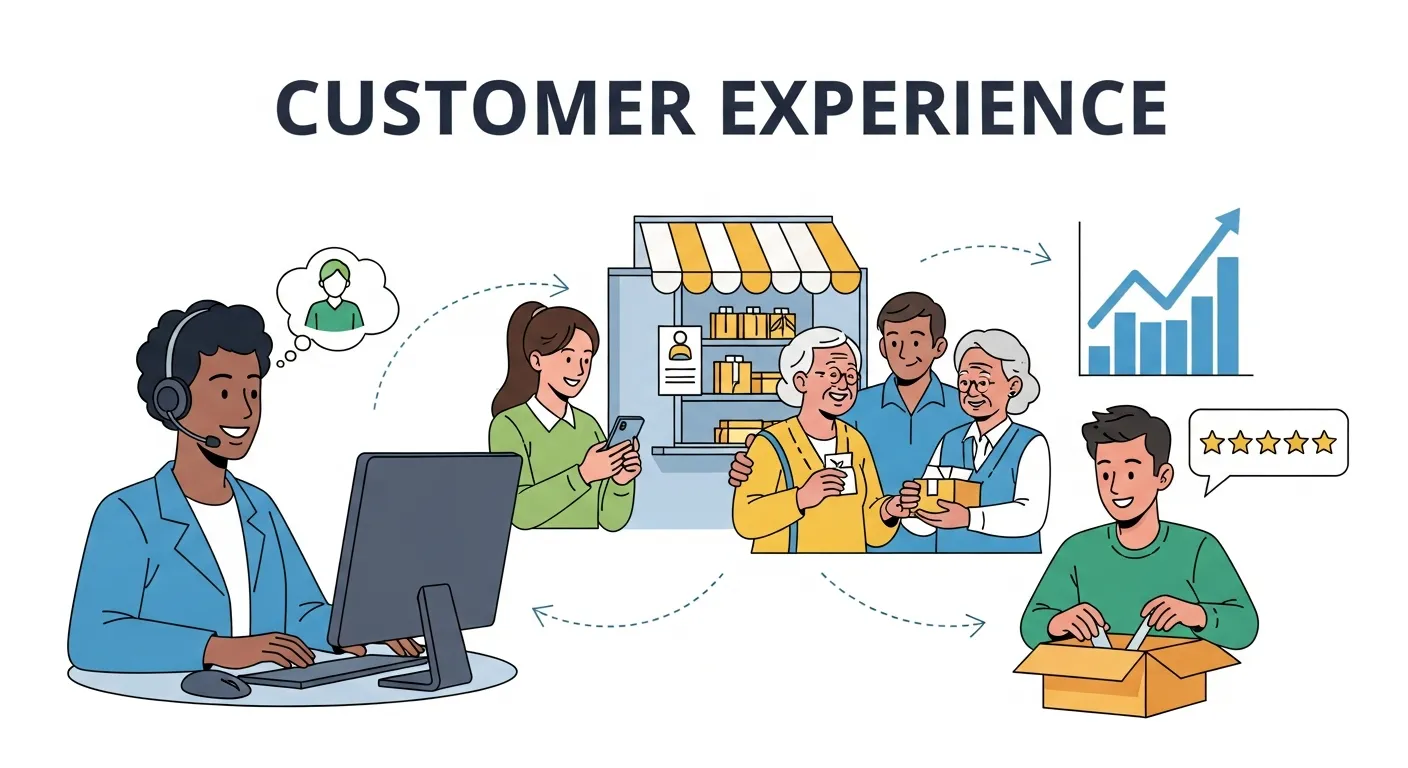
Customer Experience is the new marketing. Your fashion marketing strategies must extend to the post-purchase phase.
The Unboxing Experience
Sensory Branding plays a role here. The feel of the box, the sound of the tissue paper, the smell of the garment—all contribute to Brand Perception. A great unboxing experience often leads to organic social sharing, a key component of Viral Marketing Strategies.
Seamless Support
Crisis Management Services aren’t just for PR disasters; they are for lost packages and angry customers. Fast, empathetic support turns a negative into a positive. Online PR Services principles should be applied to customer service interactions.
User Experience (UX) Design
Your website is your flagship store. Invest in Web Design & Development. A slow, clunky site destroys Brand Equity. Ensure your Payment Gateway Solutions and Digital Payment Solutions are frictionless. If checkout is hard, you lose the sale.
8. Encourage and Amplify User-Generated Content (UGC)
UGC is the most authentic form of content. Integrating it into your fashion marketing strategies builds Social Proof.
Creating Viral Challenges
Viral Marketing on Tiktok often starts with a challenge. Encourage users to style your product in a specific way. Viral Content Marketing Strategy relies on participation, not just consumption.
Repurposing Content
With permission, use customer photos in your ads and email campaigns. It shows that real people love your product, which is often more convincing than a polished photoshoot. This is a staple of D2C (Direct to Consumer) fashion marketing strategies.
Building Community
Create a hashtag and manage it. Engage with everyone who uses it. Community Management is vital. When a brand replies to a user’s post, it deepens the connection instantly.
9. Focus on Consistent, Authentic Content Marketing and SEO
SEO Services are often overlooked in fashion, but organic traffic is high-quality traffic. Your fashion marketing strategies must include a robust SEO plan.
Keyword Strategy
Use tools like SEMrush or Ahrefs to find what your customers are searching for. Target long-tail keywords like “sustainable summer dresses for weddings” rather than just “dresses.”
Local SEO
If you have physical stores, Local SEO Services are non-negotiable. Ensure your Google My Business profile is updated.
Blogging
A blog is a long-term asset. Write about Business Trends, Fashion Marketing Strategies, or style guides. This builds Brand Authority and keeps your website fresh, which Google loves.
Link Building
Ethical Link Building helps your site’s authority. Guest post on fashion blogs or get featured in industry publications. Guest Posting Services can help facilitate this, but ensure the content is high quality.
10. Listen and Evolve With Your Audience
The market moves fast. Agile Marketing is required. Your fashion marketing strategies must be fluid.
Social Listening
Use Brand Monitoring Services to track mentions of your brand and competitors. What are people saying? Sentiment Analysis can warn you of Brand Longevity Challenges before they become critical.
Feedback Loops
Send surveys. Use Net Promoter Score (NPS) to measure loyalty. Brand Strategy Consulting Guide principles suggest that the customer’s voice should be the loudest one in the boardroom.
Adaptation
If data shows a shift—for example, a move toward Viral VS Sustainable Marketing—you must adapt. Brand Adaptation Strategies are essential for survival. Maybe you need to introduce a resale platform or change your packaging.
Conclusion
Building brand loyalty in a noisy world requires more than just flashy ads; it demands a holistic approach to your fashion marketing strategies. By defining a clear identity, creating genuine value, personalizing experiences, and listening to your audience, you can transform casual browsers into lifelong devotees. The most effective fashion marketing strategies are those that humanize the brand, making it a reliable partner in the customer’s journey of self-expression. Start implementing these strategies today, and watch your brand equity—and your sales—soar.
Frequently Asked Questions (FAQ)
1. What are the most cost-effective fashion marketing strategies for small brands?
For small brands, Content Marketing and Social Media Management are highly cost-effective fashion marketing strategies. Focus on Organic Social Media growth by posting consistent, high-value content on platforms like TikTok and Instagram. Influencer Marketing Services with micro-influencers can also yield a high ROI without the high price tag of traditional advertising. Referral Marketing is another low-cost strategy where you incentivize existing customers to bring in new ones.
2. How does SEO fit into fashion marketing strategies?
SEO is critical for long-term growth. Unlike paid ads, which stop working when you stop paying, SEO Services provide sustainable traffic. By optimizing your product pages and blog posts for keywords related to Fashion Marketing Strategies and specific product terms, you capture high-intent traffic. Technical SEO, such as optimizing site speed and mobile responsiveness (App Development Services may be needed here), ensures a smooth user experience, which is a ranking factor.
3. Can luxury brands use the same fashion marketing strategies as fast fashion?
While the core principles overlap, Luxury Brand Marketing Strategy differs significantly from mass-market strategies. Luxury relies on scarcity, exclusivity, and Brand Heritage, whereas fast fashion relies on volume, speed, and Trend Marketing. Luxury brands should focus more on Personal Reputation Management and High-Touch Customer Service, while fast fashion benefits more from Viral Marketing on Tiktok and FOMO Marketing.
4. What is the role of data in modern fashion marketing strategies?
Data is the backbone of successful fashion marketing strategies. Google Analytics and social insights help you understand Customer Journey Mapping. Data informs Inventory Planning, Personalization, and Predictive Trend Marketing. Without data, you are guessing. Advanced brands use Ai Driven Trend Forecasting to stay ahead of the curve and minimize markdowns.
5. How do I measure the ROI of my fashion marketing strategies?
To measure ROI, you need to track specific KPIs such as Customer Acquisition Cost (CAC), Customer Lifetime Value (CLV), and Return on Ad Spend (ROAS). For content, look at engagement rates and organic traffic growth. Brand Equity KPIs like Brand Awareness and Brand Sentiment are harder to measure but can be tracked via Brand Monitoring Services and surveys.
6. Why is brand storytelling considered one of the top fashion marketing strategies?
Brand Storytelling is effective because it bypasses the logical brain and appeals to emotion. In fashion, people buy with their hearts, not just their heads. A compelling story about your founder, your sustainable practices (Ethical Branding), or the craftsmanship behind a product creates a connection that price cuts cannot achieve. It differentiates you in a crowded market.
7. How can I use viral marketing without damaging my brand image?
Viral Marketing Strategies can be risky. To ensure Brand Safety In Digital Marketing, focus on authentic, positive content rather than controversy. Ensure any viral challenge or trend you participate in aligns with your Brand Values. Viral VS Sustainable Marketing is a balance; viral hits give spikes, but consistent value builds the brand. Avoid the Dark Side of Viral Marketing, such as clickbait or insensitive trends.
8. What is the difference between Inbound and Outbound fashion marketing strategies?
Outbound Marketing involves pushing your message out to people who may not be looking for it (e.g., TV ads, cold emails). Inbound Marketing focuses on creating valuable content and experiences that attract customers to you (e.g., blogs, social media, SEO). Modern Fashion Marketing Strategies lean heavily on inbound methods because they build trust and are generally less intrusive and more cost-effective.
9. How do I handle a brand crisis using fashion marketing strategies?
Crisis Management Services and Brand Crisis Management plans are essential. If you face a backlash, acknowledge it quickly and transparently. Do not delete negative comments; address them (Negative Content Management). A sincere apology and a clear plan of action can actually improve Brand Perception if handled well. Silence is often damaging.
10. How often should I update my fashion marketing strategies?
Fashion is fast-paced. You should review your analytics monthly and do a deep dive quarterly. Business Trends and Consumer Brand Marketing tactics shift rapidly. Perform a Brand Audit annually to ensure your Brand Architecture and Brand Voice Strategy are still relevant. Be ready to pivot if a new platform (like TikTok did) becomes dominant. Agile Marketing is the key to longevity.






Leave a Reply