

Ever wonder how a single video makes a brand famous overnight? Viral marketing harnesses the power of social sharing to skyrocket visibility. Let’s explore how it works.
Viral marketing is a strategy where content spreads rapidly from person to person, creating massive exposure for a brand. This guide covers the definition, benefits, and key components of successful campaigns. You will learn actionable steps to launch your own viral strategy, from emotional resonance to platform selection, ensuring your message reaches millions.
Understanding Viral Marketing: More Than Just Luck
At its most basic level, viral marketing is a style of promotion that relies on an audience to generate the message for a product or service. Marketing is considered “viral” when it reaches the point where it is being spread by the general public rather than just the target audience. It is the digital equivalent of word-of-mouth marketing, but amplified by the speed and reach of the internet.
When this works, it feels like magic. A video gets shared, a meme gets reposted, and suddenly, everyone is talking about a brand that might have been obscure yesterday. However, achieving this state isn’t just about luck. It involves a deep understanding of human psychology, consumer brand marketing principles, and the algorithms that govern our social feeds.
The goal of viral marketing is to create content that is so compelling that people want to share it. They don’t just view it; they pass it on. This creates a compounding effect. If one person shares it with five friends, and they each share it with five more, the growth becomes exponential. This mechanism allows viral marketing to achieve results that traditional advertising budgets simply cannot match.
Why Is Viral Marketing So Powerful?
The power of viral marketing lies in social proof. We trust our friends and family more than we trust brands. When a friend shares a video, we are far more likely to watch it than if it appeared as a sponsored ad. This organic reach builds brand awareness and brand authority in a way that paid media struggles to replicate.
According to data from sources like Wikipedia, the concept of viral content parallels the spread of biological viruses. The “infection” rate depends on the “vectors” (social media platforms) and the “virulence” (shareability) of the content. By mastering these elements, businesses can leverage viral marketing to disrupt industries and gain significant market share.
The Core Benefits of Viral Marketing
Why do brands chase the elusive viral hit? The return on investment for a successful viral marketing campaign can be astronomical.
1. Unmatched Brand Awareness
Viral marketing can put your brand in front of millions of eyes in a matter of days. This level of exposure is often impossible with traditional outbound marketing unless you have a Super Bowl-sized budget. It cements your brand positioning in the public consciousness, making your company a household name.
2. Extremely Cost-Effective
While producing high-quality content costs money, the distribution in a viral marketing campaign is essentially free. You aren’t paying for every impression or click. The audience does the heavy lifting for you. This dramatically lowers your Customer Acquisition Cost (CAC) and boosts your overall marketing efficiency.
3. Rapid Growth
Viral marketing is the fastest way to grow. Startups have used viral marketing strategies to acquire millions of users in months. Think of Dropbox or TikTok itself; their growth was fueled by viral loops and referral mechanics that are hallmarks of viral marketing.
4. Non-Invasive Nature
Unlike a pop-up ad that interrupts the user experience, viral marketing is content that users actively choose to consume and share. This positive interaction enhances brand perception in marketing, associating your company with entertainment or value rather than annoyance.
7 Components of a Successful Viral Campaign
Creating a viral marketing masterpiece requires a specific set of ingredients. While you can’t guarantee virality, including these elements significantly increases your odds.
1. Emotionally Resonant Content
Content that goes viral almost always triggers a strong emotional response. Whether it is hilarity, awe, anger, or inspiration, high-arousal emotions drive sharing. Emotional marketing is the engine of viral marketing.
People share to express themselves. If your content makes them feel smart, funny, or righteous, they will pass it on to signal those traits to their peers. A study on Backlinko might suggest that long-form content attracts links, but in the social world, emotional punches attract shares.
2. Simplicity and Clarity
The internet moves fast. If people have to think too hard to understand your joke or message, they will scroll past. Viral marketing demands simplicity. The core concept should be understood in seconds. This aligns with brand simplification trends where clear, concise messaging wins.
3. A Touch of Controversy
Safe content rarely goes viral. Content that sparks debate invites comments, and comments signal to algorithms that the post is engaging. However, this is a double-edged sword requiring careful brand crisis management planning. The controversy should align with your brand values and not alienate your core customer base.
4. Relatability
“It me.” That simple reaction is the gold standard of viral marketing. Memes work because they are relatable. They articulate a shared human experience. When audiences see themselves in your content, they share it to validate that experience.
5. Call-to-Action (CTA)
Sometimes, you just have to ask. A clear CTA can be the nudge a user needs to share. This doesn’t mean “Buy Now.” In viral marketing, the CTA is usually “Tag a friend who does this” or “Try this challenge.”
6. Timing and Trends
Riding the wave of existing trends is a staple of viral marketing. Real time trend marketing involves monitoring cultural conversations and inserting your brand into the narrative. Tools like Google Trends are invaluable here. If everyone is talking about a new TV show or a specific meme format, adapting it to your brand can yield massive engagement.
7. Easy Shareability
Friction kills virality. Your content must be easy to share across platforms. If you are creating a video, ensure it is formatted for vertical viewing on mobile. If it is a blog post, include social sharing buttons. This technical aspect of viral marketing is often overlooked but critical.
How to Launch Your First Viral Marketing Campaign
Ready to break the internet? Here is a step-by-step roadmap to building a viral marketing strategy that delivers results.
Step 1: Identify Your Audience
You cannot go viral with “everyone.” You go viral with a specific group who then spreads it to everyone else. Define your brand archetypes framework and understand who you are talking to. What do they find funny? What are their pain points? Consumer brand marketing begins with deep empathy for the user.
Step 2: Set Clear Goals
What is the point of your viral marketing effort? Is it brand awareness? Is it lead generation? Or perhaps you are trying to shift brand perception in marketing? Defining this early helps you measure success later.
Step 3: Brainstorm Creative Ideas
This is where creative content services come into play. Brainstorm ideas that defy expectation. Look at viral marketing examples from competitors. What worked? What fell flat? Use creative webinar ideas or interactive content formats to stand out.
Viral Content Angles
|
Angle |
Why It Works |
Example |
|---|---|---|
|
The Utility Angle |
Solves a problem in a clever way. |
“Life Hacks” videos. |
|
The Humor Angle |
Entertains and relieves stress. |
Old Spice “The Man Your Man Could Smell Like”. |
|
The Shock Angle |
Grabs attention immediately. |
Dollar Shave Club’s blunt launch video. |
|
The Heartwarming Angle |
Inspires and uplifts. |
Dove’s “Real Beauty” sketches. |
Step 4: Choose Your Platforms
Different platforms have different viral mechanics.
- TikTok: The current king of viral marketing. The algorithm is designed to show new content to large audiences regardless of follower count. Perfect for viral marketing on TikTok.
- Twitter/X: rapid-fire, text-based virality. Great for witty remarks and real time trend marketing.
- Instagram: Visual and aesthetic. Reels are the primary driver of viral marketing here.
- LinkedIn: Professional virality. Thought leadership and B2B digital marketing strategies thrive here.
Step 5: Amplify with Influencers
Influencer marketing services can be the spark that lights the fire. Getting a few key influencers to share your content early on signals to the algorithms that this content is worth promoting. This is often referred to as “seeding” a campaign.
Step 6: Go Live and Monitor
Launch your campaign and glue your eyes to the data. Use brand monitoring services to track mentions. Respond to comments immediately. Engagement in the first hour is crucial for viral marketing success.
Step 7: Capitalize on Momentum
If it starts to work, double down. This is where agile brand adaptation strategies come in. If a video blows up, make a Part 2. If a hashtag trends, engage with everyone using it. Do not let the flame die out.
The Role of Psychology in Viral Marketing
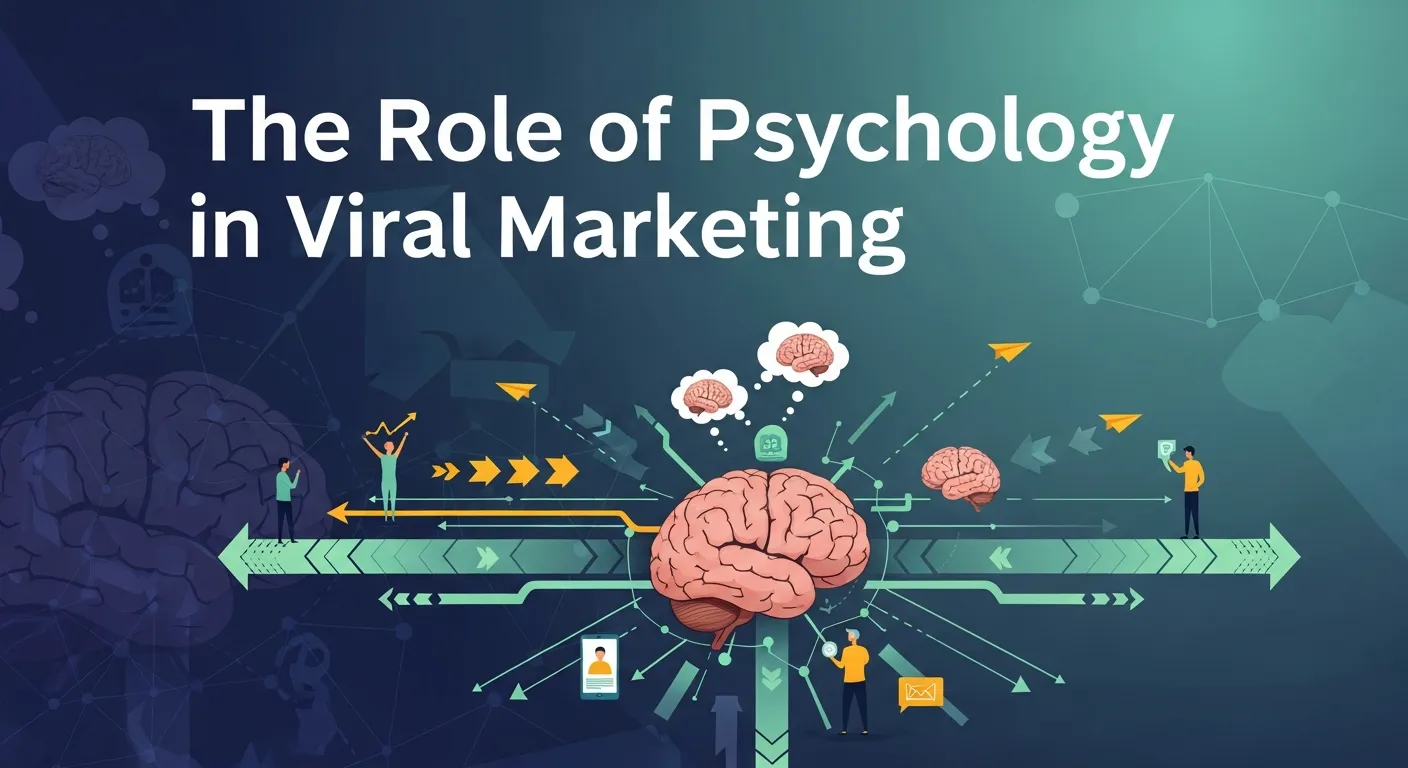
To truly master viral marketing, one must understand the psychology of sharing. Why do we share?
According to Jonah Berger, author of Contagious, there are six principles (STEPPS) that drive viral marketing:
- Social Currency: We share things that make us look good.
- Triggers: Top-of-mind, tip-of-tongue. We share what we are thinking about.
- Emotion: When we care, we share.
- Public: Built to show, built to grow.
- Practical Value: News you can use.
- Stories: Information travels under the guise of idle chatter.
Integrating these principles into your brand storytelling ensures your viral marketing efforts are scientifically sound.
Marketing FOMO
Fear Of Missing Out (FOMO) is a powerful driver. Limited-time challenges or exclusive content can create urgency. Marketing FOMO pushes users to share quickly so they—and their friends—don’t miss the trend.
Viral Marketing Strategies for Different Industries
Viral marketing isn’t just for B2C snack brands. It applies everywhere.
Viral Marketing for B2B
B2B brands often think they are too boring for viral marketing. Wrong. B2B digital marketing strategies can leverage virality through insightful data studies, contrarian industry takes, or humorous commentary on work life. Tools like SEMrush or Ahrefs often produce data-driven studies that go viral in the SEO community because they offer immense practical value.
Viral Marketing for Non-Profits
Viral content strategies for non-profits and NGOs often rely on the emotional angle. The ALS Ice Bucket Challenge is the quintessential example. It combined a challenge, social currency, and a good cause.
Luxury Brand Marketing
High-end brands use luxury brand marketing strategy to create exclusivity. Their version of viral marketing often involves high-aesthetic visuals or celebrity partnerships that create aspiration.
Advanced Tactics: Viral Marketing in the AI Era
The landscape of viral marketing is shifting with technology.
AI-Driven Trend Forecasting
Tools are now available that use AI to predict which topics are about to trend. Predictive trend marketing allows brands to create content before the peak of a trend, positioning them as innovators.
Algorithmic Optimization
Understanding the specific algorithm of each platform is a job for a digital marketing expert. For instance, TikTok prioritizes watch time and re-watches. Therefore, viral marketing videos there often have loops or fast-paced editing to keep retention high.
User-Generated Content (UGC) Campaigns
Encouraging your audience to create content for you is the holy grail. Viral social media campaigns often involve a challenge or a specific hashtag. This creates a library of content that serves as social proof and keeps the viral marketing loop spinning.
Measuring Viral Success
How do you know if your viral marketing is working? You need to track the right metrics.
- Viral Coefficient: The number of new users generated by each existing user. If this is greater than 1, you have viral growth.
- Social Shares: The raw number of shares across platforms.
- Reach/Impressions: How many people saw the content.
- Brand Mentions: Are people talking about you? Social media management tools can track this volume.
- Referral Traffic: Check Google Analytics to see how much traffic is coming from social sources.
Common Viral Marketing Mistakes to Avoid
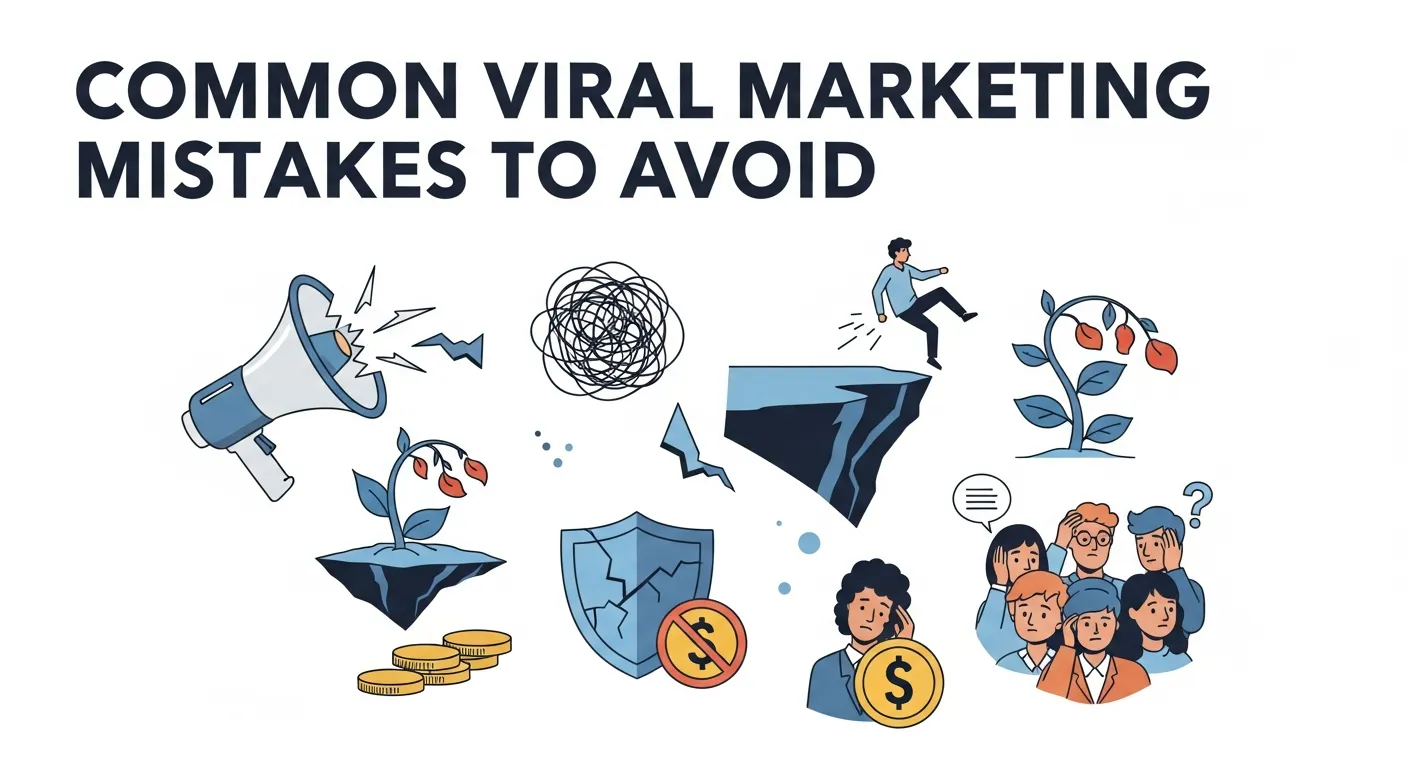
Even the best brand strategy consulting guide can’t save you if you make these fundamental errors.
Over-Branding
If your video looks like a commercial, it won’t go viral. The branding should be subtle. Viral marketing is about the audience, not the logo.
Ignoring the “Dark Side”
Not all virality is good. Negative content management is essential. Sometimes a campaign goes viral for the wrong reasons. Having a crisis management services plan in place is non-negotiable.
Trying Too Hard
“How do you do, fellow kids?” Audiences can smell inauthenticity. If a trend marketing AI data strategy suggests a trend that doesn’t fit your brand voice, skip it. Forced viral marketing is cringe-worthy and damages brand reputation.
Forgetting the Funnel
Going viral is great, but then what? You need a viral marketing funnel to capture that attention. Ensure you have a strategy for lead generation or sales conversion ready to catch the traffic influx.
The Future of Viral Marketing
As we look ahead, viral marketing will continue to evolve. We will see more micro trend marketing, where brands target smaller, hyper-specific niches rather than the general public. Video SEO will become crucial as platforms like TikTok and YouTube become search engines in their own right.
Furthermore, the integration of immersive experiences and sensory branding into digital content could open new frontiers for viral marketing. Imagine viral content you can “feel” through haptic feedback or experience in AR.
Ultimately, the core of viral marketing remains unchanged: human connection. Technology changes the medium, but the message must still resonate with the human heart and mind.
Conclusion
Viral marketing is a high-stakes, high-reward game that creates massive opportunities for brands willing to take risks. It is not about tricking an algorithm; it is about connecting with people so deeply that they become your greatest advocates. By focusing on emotional resonance, keeping things simple, and leveraging the right platforms, you can transform your brand from a quiet participant to the loudest voice in the room. Start brainstorming, stay authentic, and get ready to watch your numbers climb. The next big viral hit could be yours.
Frequently Asked Questions (FAQs)
1. Is viral marketing expensive?
Not necessarily. The production costs can be low—sometimes just a smartphone video is enough. The distribution is organic, meaning you don’t pay for the reach. However, a budget for seed marketing (paid ads to get the ball rolling) and high-quality content creation services can help.
2. Can any business use viral marketing?
Yes. Whether you are in B2B, B2C, or a non-profit, the principles of viral marketing apply. It is about finding the relatable, shareable angle within your industry. Even “boring” industries can go viral with the right creative approach, often using humor or surprising facts.
3. How long does a viral campaign last?
The lifespan of viral marketing content is usually short. A trend might last a few days to a few weeks. This is why agile brand adaptation strategies are crucial—you need to capitalize on the attention immediately before it fades.
4. What is the “Viral Coefficient”?
The viral coefficient (K) measures how many new users each existing user brings in. If K > 1, your user base grows exponentially. If K < 1, the growth will eventually stop. It is a key metric for apps and software using viral marketing.
5. How do I handle negative viral attention?
If you go viral for the wrong reasons, acknowledge the issue quickly and transparently. Brand crisis management is vital. Don’t delete comments unless they are abusive; address the criticism. Sometimes, a good recovery can turn negative PR into positive brand equity.
6. Does viral marketing help SEO?
Indirectly, yes. While social shares aren’t a direct ranking factor, the massive traffic and potential backlinks from media coverage (like news sites linking to your viral video) signal authority to Google. This boosts your overall SEO services efforts.
7. Should I use influencers for viral marketing?
Yes. Influencers act as “super-spreaders.” Partnering with them gives your viral marketing campaign an initial boost of credibility and reach. Ensure their audience aligns with your target market.
8. What is the difference between viral marketing and buzz marketing?
They are similar, but buzz marketing focuses on getting people talking (word-of-mouth), often through events or stunts, while viral marketing focuses specifically on the digital sharing of content. Viral marketing is the mechanism of the spread.
9. Can I predict what will go viral?
No one can guarantee virality. However, using predictive trend marketing and analyzing data can improve your odds. Testing different content formats on a small scale before launching a full campaign helps identify what resonates.
10. Is luck a factor in viral marketing?
Yes, timing and luck play a role. However, “luck is what happens when preparation meets opportunity.” By consistently producing high-quality, shareable content based on sound viral marketing principles, you create more opportunities to get “lucky.”






Leave a Reply