


Trend marketing for social commerce leverages platforms like TikTok, combining viral content, authenticity, data insights, and seamless shopping experiences to convert engagement into sales and drive sustainable brand growth.
In today’s digital landscape, trend marketing for social commerce has emerged as a pivotal strategy for brands aiming to convert viral interest into tangible sales. With platforms like TikTok seamlessly blending entertainment, community engagement, and built-in shopping features, businesses can now take advantage of consumer enthusiasm in real time. This year, short-form video content continues to redefine how audiences discover products, turning fleeting moments of engagement into enduring customer relationships. As algorithms surface trending topics and sounds, brands that understand and adopt a streamlined approach—from concept to checkout—can accelerate visibility and revenue growth. In this guide, we explore how to harness TikTok’s unique capabilities, leverage user participation, deploy data-driven insights, and build an omnichannel journey that guides today’s consumers from discovery to purchase.
Understanding the Emergence of Social Commerce
Social commerce integrates social media engagement with e-commerce functionality, reducing friction between browsing and buying. On platforms like TikTok, shoppers can watch a product in action, read real-time comments, and complete purchases without leaving the app. According to Pew Research Center, over 60% of Gen Z users now prefer making purchases through social channels, underscoring this shift. In today’s environment, mastering trend marketing for social commerce requires grasping TikTok’s ecosystem: the For You Page, viral hashtag challenges, and shoppable video tags. These elements combine to foster authentic storytelling and facilitate community involvement around brand narratives rather than straightforward advertising.
The key to success is rapid adaptation. A 15-second clip featuring a clever product hack can reach millions within hours, generating user-generated content (UGC) and boosting conversions. Brands that monitor emerging hashtags, collaborate with creators, and integrate shoppable spots are poised to capitalize on these micro-trends. Furthermore, data from TikTok for Business indicates that shoppable videos often achieve up to 40% higher conversion rates compared to standard posts. Understanding these dynamics empowers marketers to craft a trend marketing for social commerce strategy that turns views into checkouts.
Crafting Engaging TikTok Content and Harnessing UGC

Authenticity remains the cornerstone of TikTok engagement. Instead of polished commercials, audiences respond to relatable, unscripted moments. When planning content, aim for a 15–30 second narrative arc: introduce a problem, demonstrate your product as a solution, and reveal a genuine reaction. Incorporating trending sounds and hashtags—while preserving your brand voice—ensures content appears in relevant discovery feeds. For example, a beauty label might storyboard a quick “day-to-night” makeup transformation set to a viral audio clip, inviting viewers to try the look themselves.
User-generated content accelerates social proof at scale. Launch a branded hashtag challenge or incentivize customers with exclusive discounts to share their experiences. Curate top UGC clips into compilation videos or feature them in paid ads, amplifying reach organically. Highlighting real customers humanizes your brand and reduces purchase hesitation. When shoppers see peers endorsing a product, they’re more likely to trust the recommendation and click through to your in-app shop link. In today’s digital landscape, this community-driven approach is critical for the sustainable growth of AI in trend marketing for social commerce.
Leveraging Built-In Social Commerce Features and Influencer Collaboration
TikTok’s shopping features streamline the buyer journey by embedding product catalogs, shoppable tags, and in-app checkout directly into your content. After setting up a TikTok for Business account and linking your e-commerce catalog, enable product tags on videos so viewers can purchase with a single tap. To heighten urgency and engagement, host live shopping events, where interactive demos and time-limited offers drive real-time conversions. During these sessions, answer audience questions, showcase product benefits up close, and use on-screen prompts to guide viewers to your checkout.
Influencer and micro-influencer partnerships amplify reach while maintaining authenticity. Macro-influencers can spark broad awareness, but micro-influencers often deliver higher engagement among niche audiences. Identify creators whose style aligns with your brand values, provide clear yet flexible briefs, and measure performance via UTM parameters and promo codes. Long-term collaborations foster deeper trust, turning one-off campaigns into ongoing sales drivers. By blending influencer credibility with shoppable content, brands can bolster their trend marketing for social commerce efforts and generate lasting momentum.
Driving Decisions with Data, Analytics, and AI
Real-time analytics and AI tools underpin data-driven trend marketing for social commerce. TikTok’s native insights dashboard offers metrics on video views, watch time, and engagement rates, while social listening platforms help you monitor emerging hashtags and sentiment. Identify peak engagement windows, popular sound bites, and demographic breakdowns to optimize posting schedules and creative elements. For more advanced forecasting, integrate external signals from Google Trends and other social channels to anticipate rising topics before they peak.
Artificial intelligence further personalizes the shopping experience. Deployed chatbots can guide users through product options, answer FAQs, and suggest complementary items based on browsing behavior. AI-driven retargeting ads dynamically showcase products that viewers previously engaged with on TikTok, nudging them back to complete their purchase. Machine learning algorithms can segment audiences by interests and purchase intent, enabling hyper-targeted promotions that align with ongoing trends. This data-centric approach ensures your brand is both proactive and adaptive in today’s fast-evolving social commerce environment.
Key Insights on Trend Marketing for Social Commerce
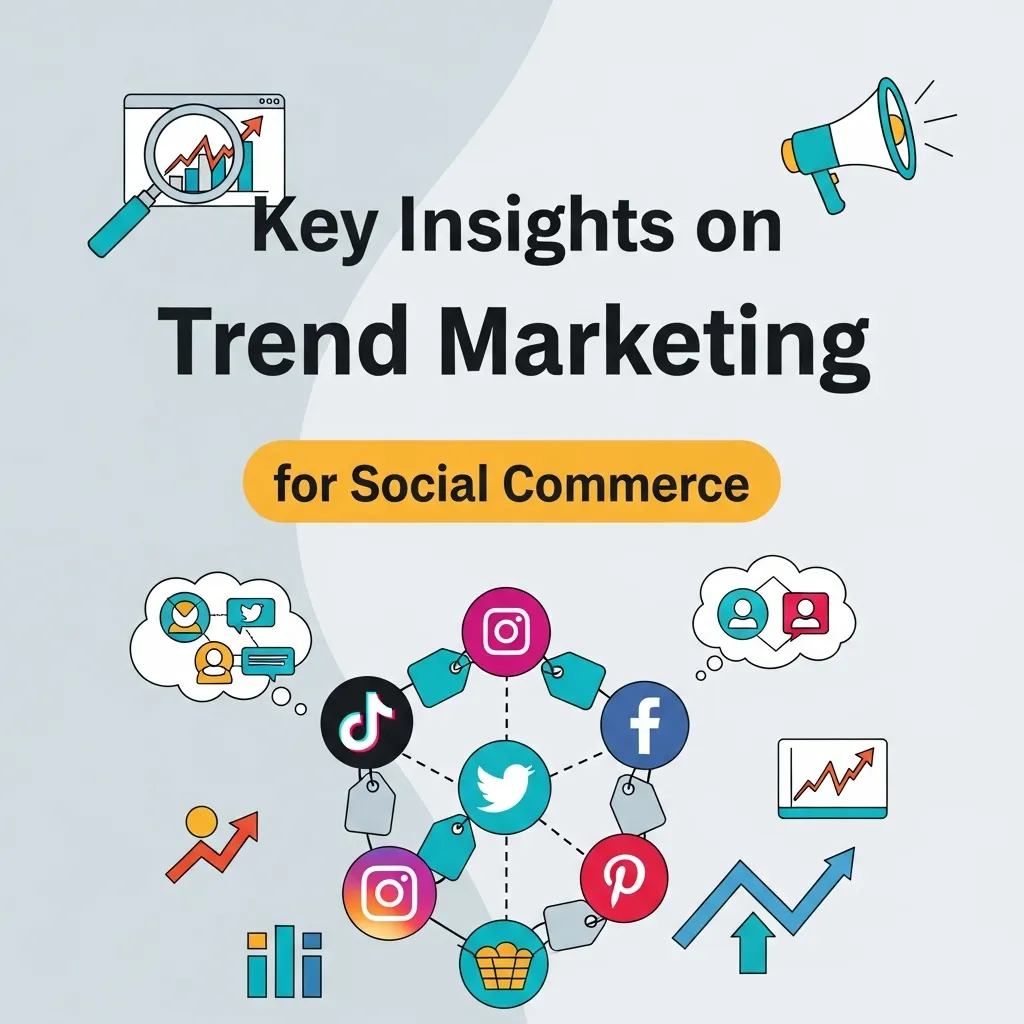
Trend marketing for social commerce is no longer just about jumping on viral moments—it’s about building a structured, agile system that converts attention into action. Platforms like TikTok have transformed the traditional marketing funnel into a seamless loop where discovery, engagement, and purchase happen almost simultaneously. This shift demands that brands think beyond content creation and focus on experience design.
At the core of this approach is speed and relevance. Trends evolve rapidly, often peaking within days or even hours. Brands that succeed are those with a responsive content strategy, capable of producing and publishing within tight timeframes. However, speed alone isn’t enough—content must also feel authentic and aligned with audience expectations. Overly promotional or delayed responses to trends can reduce credibility and limit reach.
Another critical factor is the integration of community-driven content. User participation not only amplifies reach but also strengthens trust. Encouraging customers to create and share content fosters a sense of belonging and transforms passive viewers into active brand advocates. This organic amplification is often more impactful than traditional advertising.
Data and analytics further enhance effectiveness. Tools like Google Trends help brands anticipate emerging interests, while platform insights guide optimization of content formats, timing, and messaging. This data-driven approach ensures that campaigns are not only creative but also strategically aligned with consumer behavior.
Finally, success in trend marketing for social commerce depends on delivering a consistent, frictionless journey across all touchpoints. Whether a customer discovers a product through a viral video or a creator collaboration, the path to purchase must be smooth and intuitive. By combining agility, authenticity, community engagement, and data intelligence, brands can turn short-lived trends into long-term growth opportunities.
Creating Seamless Omnichannel Journeys and Overcoming Challenges
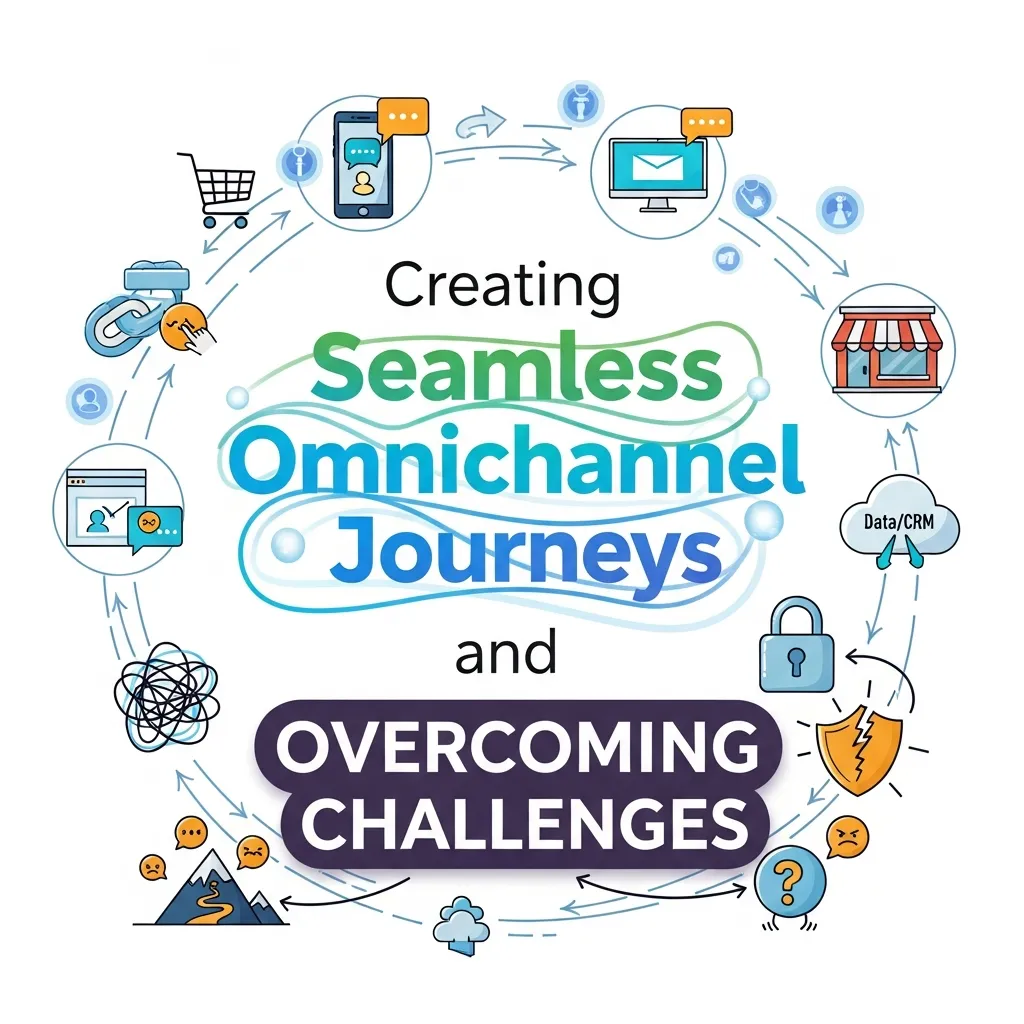
A cohesive customer journey spans TikTok, website, email, and even brick-and-mortar locations. Synchronize inventory and customer data across all touchpoints to offer consistent messaging and real-time availability. Implement click-and-collect options or QR code incentives to bridge offline and online experiences. Consistent branding and a unified checkout flow make it effortless for trend-driven shoppers to complete purchases on their preferred channel, boosting average order values and lifetime loyalty.
Despite the opportunities, trend marketing on TikTok presents challenges. The rapid pace of trending topics demands organizational agility; missing a trend window by days can blunt impact. Balancing authentic creator content with brand guidelines requires a clear creative framework and pre-approved templates. Data privacy regulations also necessitate transparent user consent protocols for personalized targeting. To mitigate these risks, assemble a rapid-response team, maintain a reservoir of evergreen content, and prioritize first-party data gathering. By addressing these hurdles head-on, brands can sustain momentum and capitalize on the full potential of trend marketing for social commerce.
Conclusion
In today’s digital landscape, transforming viral TikTok moments into revenue hinges on a holistic trend marketing for social commerce strategy. By understanding social commerce fundamentals, creating genuine TikTok content, leveraging user-generated and influencer collaborations, deploying data-driven insights, and crafting a seamless omnichannel journey, marketers can guide audiences from discovery to checkout. Embracing this comprehensive framework empowers brands to convert fleeting trends into sustainable growth and positions them at the forefront of social commerce innovation.






Leave a Reply