

Have you ever wondered why a simple chicken sandwich tweet can shut down drive-thrus across America? Or why a fast-food mascot dating simulator becomes a gaming sensation? In the digital age, food isn’t just for eating—it’s for sharing, tweeting, and debating. Viral food marketing campaigns have transformed the landscape of advertising, proving that the right mix of creativity and timing can generate more buzz than a Super Bowl commercial.
This extensive guide dissects the mechanics of viral food marketing campaigns, exploring how brands like Wendy’s, Popeyes, and Taco Bell have redefined industry standards. We will delve into the anatomy of virality, the psychology of social sharing, and the strategic importance of authenticity. You will learn actionable strategies for building brand awareness, leveraging seasonal trends in marketing, and measuring success beyond simple vanity metrics. Whether you are a marketer or a foodie, this article reveals the ingredients needed to cook up an internet sensation.
The Anatomy of Viral Food Marketing Campaigns
What separates a standard advertisement from viral food marketing campaigns that dominate our feeds? It is rarely about the budget. Some of the most memorable campaigns of the past decade haven’t come from multimillion-dollar TV spots but from agile social media teams who understand the pulse of the internet.
Successful viral food marketing campaigns share a specific DNA. They aren’t just selling calories; they are selling culture. Understanding these core elements is crucial for any brand looking to replicate this success.
Authenticity Trumps Production Value
In the world of viral food marketing campaigns, polish is often the enemy of engagement. Modern consumers, especially Gen Z and Millennials, have a finely tuned radar for corporate speak. They crave content that feels real, raw, and human.
- Lo-fi Aesthetics: Many successful TikTok food trends rely on smartphone footage rather than studio setups. This signals to the viewer, “I am just like you,” rather than “I am trying to sell you something.”
- Voice over Visuals: While visual appeal is key, the voice behind the content matters more. A grainy meme with a hilarious caption often outperforms a 4K commercial.
- Brand Personality In Marketing: Authenticity means leaning into your specific Brand Personality In Marketing. If your brand is quirky, be quirky. If it’s serious, don’t force humor.
Timing is Everything: The Art of the Real-Time Response
To execute successful viral food marketing campaigns, you cannot operate on a standard approval timeline. The internet moves at the speed of light.
- Newsjacking: Brands that can insert themselves into current events or News and Current Events without seeming desperate often win big.
- Cultural Moments: Leveraging Seasonal Trends In Marketing or pop culture moments creates relevance. For instance, creating Holiday and Festival Marketing content that taps into specific nostalgia can spark viral sharing.
Emotional Resonance and Storytelling
Food is inherently emotional. It connects us to memories, family, and comfort. Viral food marketing campaigns that tap into these feelings—whether it’s the joy of a Summer Discount ice cream or the comfort of a holiday meal—create a deeper bond. Brand Storytelling is the vehicle that carries your message from a simple ad to a shared experience.
Game-Changing Fast Food Feuds
If there is one arena where viral food marketing campaigns have truly exploded, it is the fast-food sector. The “Twitter Wars” era redefined what was acceptable in B2C communication, moving from polite customer service to aggressive, hilarious roasting.
The Wendy’s Twitter Revolution
Wendy’s didn’t just participate in viral food marketing campaigns; they invented a new genre. By roasting competitors and followers alike, they shattered the “customer is always right” paradigm.
- Strategy: Their strategy relied on a distinct, consistent Brand Voice. They weren’t just funny once; they were a reliable source of entertainment.
- Impact: This approach garnered billions of impressions and, crucially, drove sales. It proved that Brand Voice Strategy is a tangible asset.
- Lesson: A strong Brand Persona can turn a burger chain into an internet celebrity.
Popeyes vs. Chick-fil-A: The Chicken Sandwich Wars
The “Chicken Sandwich Wars” of 2019 is the gold standard for viral food marketing campaigns. It began with a simple product launch but exploded because of a single tweet: “Y’all good?”
- The Catalyst: Popeyes challenged the market leader, Chick-fil-A, directly but playfully. This invited consumers to pick a side, turning a lunch choice into a tribal identity.
- Scarcity and FOMO: The sandwich sold out. This scarcity, fueled by Marketing FOMO (Fear Of Missing Out), turned the sandwich into a rare commodity. People weren’t just buying lunch; they were hunting for treasure.
- The Result: It generated an estimated $65 million in equivalent media value. This case study illustrates how Competitive Brand Analysis and bold Product Positioning can create a cultural phenomenon.
Creative Campaigns That Redefined Food Culture
Not all viral food marketing campaigns rely on conflict. Some succeed by being bizarre, innovative, or deeply nostalgic.
KFC’s Colonel Sanders Reinvention
KFC faced a challenge: an aging brand with a mascot from a bygone era. Their solution? Lean into the absurdity.
- The Strategy: They didn’t hide the Colonel; they multiplied him. By casting different actors (and even a CGI influencer) as the Colonel, they turned their mascot into a meme.
- Brand Refresh: This was a masterclass in Brand Refresh tactics. They kept the heritage but updated the delivery for the digital age.
- Gaming the System: They even released a dating simulator game. This is a prime example of Brand Extension Marketing reaching into unexpected niches to generate buzz.
Taco Bell’s Breakfast Launch
Breaking into the breakfast market is notoriously difficult. Taco Bell did it by attacking the “boring” breakfast status quo.
- The Stunt: They found real people named Ronald McDonald and paid them to endorse Taco Bell. It was cheeky, legally safe, and instantly shareable.
- Visual Identity: They used distinct Visual Branding to differentiate their “breakfast crunchwrap” from the standard muffin sandwich.
- Outcome: This campaign successfully established them as a major player in the breakfast hours, showcasing effective Market Penetration through viral tactics.
The Psychology Behind Shareable Food Content
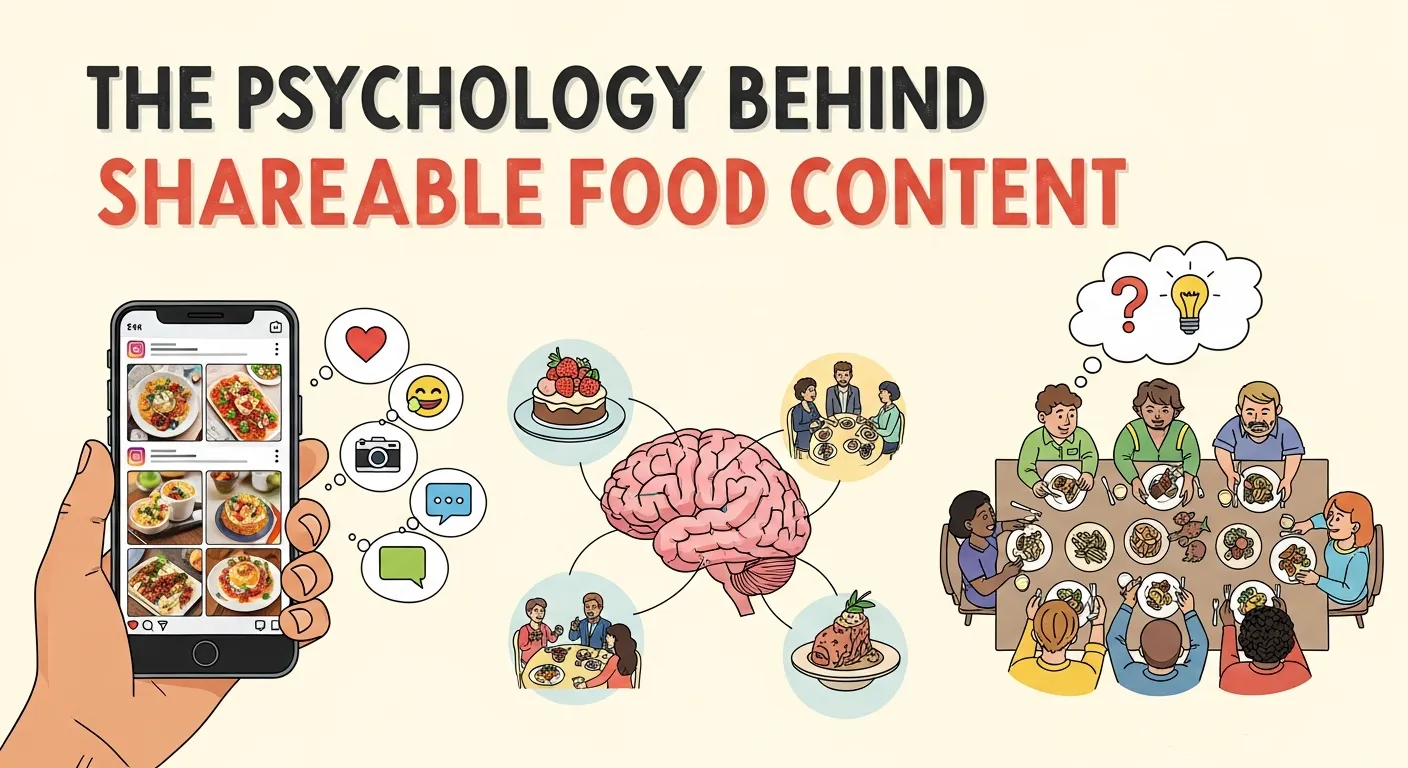
Why do we share food content? Understanding the psychology is key to engineering viral food marketing campaigns.
Visual Appeal (The “Food Porn” Factor)
We eat with our eyes first. Viral food marketing campaigns almost always feature stunning or shocking visuals.
- Sensory Branding: High-quality audio (ASMR) of crunching or fizzing, combined with close-up visuals, triggers a sensory response. This is Sensory Branding at its finest.
- The “Gross-Out” vs. “Delicious” Scale: Sometimes, intentionally messy or over-the-top food goes viral because of the spectacle. Think of massive milkshakes or cheese pulls.
Social Currency
People share things that make them look cool, in-the-know, or funny.
- Insider Status: Secret menus are a classic example. Knowing about a secret item gives the customer social currency. Viral food marketing campaigns often leverage this by “leaking” secret hacks.
- Identity Signaling: Sharing a post about sustainable sourcing or vegan options signals the sharer’s values. Ethical Branding plays a huge role here.
The FOMO Factor
Marketing FOMO is a powerful driver. Limited-time offers (LTOs) like the Pumpkin Spice Latte or the McRib rely entirely on scarcity.
- Seasonal Marketing Ideas: These products are events, not just menu items. Effective Seasonal Marketing Ideas turn a beverage into a marker of the season.
- Urgency: “Get it before it’s gone” creates an immediate call to action that evergreen content lacks.
Strategies for Building Your Own Viral Campaign
You don’t need a billion-dollar budget to launch viral food marketing campaigns. You need a strategy.
1. Leverage Seasonal Trends in Marketing
Seasonality in Marketing provides a built-in calendar of opportunities.
- Cross Channel Seasonal Marketing: Don’t just post on Instagram. Coordinate your Email Marketing Tips for Seasonal Campaign with your TikTok challenges.
- Holiday Promotions: Move beyond generic “Happy Holidays” posts. Create a Holiday and Festival Marketing campaign that disrupts the norm. For example, a “Anti-Valentine’s Day” meal for singles.
- Summer Discount: Instead of a standard Summer Discount, create a challenge: “Free ice cream if the temperature hits 100 degrees.”
2. Master Platform-Specific Trends
Viral food marketing campaigns must be native to the platform.
- TikTok: Utilize trending audio and challenges. Viral Marketing on Tiktok requires understanding the specific humor and editing style of the app.
- Instagram: Focus on aesthetics and User Experience and Branding. The “Instagrammability” of your physical location or product packaging is crucial.
- YouTube: Long-form reviews or “mukbang” collaborations work best here. Digital marketing on Youtube allows for deeper storytelling.
3. Collaborate and Co-Brand
Co-Branding In Marketing is a shortcut to new audiences.
- Influencer Marketing for Product: Don’t just send free food. Co-create a menu item with a creator. This gives them skin in the game and incentivizes them to promote it.
- Unexpected Partnerships: A sneaker brand collaborating with a donut shop? These unexpected pairings generate PR and hype.
4. User-Generated Content (UGC)
The best viral food marketing campaigns hand the microphone to the audience.
- Challenges: “Show us how you eat your [Product].”
- Contests: “Name our next flavor.”
- Benefit: UGC is free content that serves as powerful social proof. It builds Brand Authority and trust.
Measuring Success Beyond Engagement Metrics
A viral post that doesn’t sell product is just vanity. To truly evaluate viral food marketing campaigns, you need to look deeper.
Sales Attribution
Did the likes translate to lunch orders?
- Digital Payment Solutions: Track coupon code redemptions. Modern Payment Gateway Solutions allow for precise tracking of campaign-specific codes.
- Foot Traffic: Use geofencing or simply track store visits during the campaign window.
Brand Health and Sentiment
Brand Perception In Marketing can change overnight.
- Sentiment Analysis: Are the comments positive, or are you being mocked? Tools for Brand Monitoring Services are essential here.
- Brand Awareness: Did your un-aided brand recall increase?
- Long-Term Equity: Did this stunt build Brand Equity In Marketing, or was it a cheap trick that damaged your premium positioning?
Customer Acquisition Cost (CAC)
Viral food marketing campaigns often lower CAC significantly because the reach is organic (free). Compare the cost of your viral video production to the cost of paid ads for the same reach.
The Role of Influencers in Viral Food Marketing
You cannot discuss viral food marketing campaigns without mentioning the creators who often spark them.
Micro vs. Macro Influencers
- Social Media Influencer: Big names provide reach, but Micro-Influencers often provide better engagement and conversion.
- How to Become a Social Media Influencer: Understanding the creator’s journey helps brands partner better. Creators need creative freedom. Constricting them with strict briefs kills the vibe.
Long-Term Ambassadorships
Instead of one-off posts, consider Brand Ambassadorships. This builds Brand Consistency. A creator who genuinely loves your New Seasons Market Catering service will sell it better over six months than in one viral video.
Common Pitfalls to Avoid
Not all attempts at viral food marketing campaigns succeed. Some crash and burn.
1. Forced Relevance (“Hello, Fellow Kids”)
Using slang incorrectly or jumping on a meme that is three weeks old makes a brand look out of touch. Cultural Branding requires deep understanding, not surface-level imitation.
2. Insensitivity
Food is cultural. Appropriating a culture’s cuisine without respect or understanding can lead to a Brand Crisis Management nightmare. Always run campaigns through a diverse team.
3. Operational Failure
The worst thing that can happen to viral food marketing campaigns is that they work too well. If you go viral but run out of stock immediately (without a plan) or your app crashes, you frustrate customers. Ensure your Supply Chain and App Development Services are ready for the spike.
Advanced Tactics: The Future of Viral Food Marketing
As we look forward, viral food marketing campaigns are becoming more sophisticated.
AI and Data-Driven Virality
Trend Marketing ai Data Strategy is emerging. Brands are using AI to predict flavor trends and content formats before they happen. Ai Driven Trend Marketing allows for proactive rather than reactive campaigns.
Sonic Branding
The sound of a soda can opening or a specific jingle. Sonic Branding on platforms like TikTok is massive. Creating a “branded sound” that others use in their videos is the ultimate viral hack.
The “Drop” Culture
Borrowing from fashion, food brands are doing “drops.” Limited edition merchandise or flavors released at a specific time. This creates Marketing FOMO and drives immediate traffic.
Conclusion
The secret sauce of viral food marketing campaigns isn’t a single ingredient. It is a recipe that combines deep audience understanding, fearless creativity, and the agility to move at the speed of the internet.
Brands that succeed in this space understand that they are not just feeding stomachs; they are feeding conversations. They embrace Brand Storytelling, leverage Seasonal Trends In Marketing, and aren’t afraid to show a little personality.
Whether you are a local Four Season Meat Market or a global franchise, the potential to go viral is in your hands. It requires taking risks, being authentic, and prioritizing engagement over perfection. So, stop broadcasting and start interacting. Your next campaign could be the one that breaks the internet.
Frequently Asked Questions (FAQs)
1. What makes viral food marketing campaigns different from traditional advertising?
Viral food marketing campaigns rely on organic sharing and community participation rather than paid distribution. They are often more authentic, less polished, and designed to entertain or spark conversation, whereas traditional ads focus on product features and broadcasting a message.
2. Can small businesses create viral food marketing campaigns?
Absolutely. In fact, small businesses often have an advantage because they can be more nimble and authentic. A local bakery showing a behind-the-scenes failure or a funny customer interaction can go just as viral as a multinational corporation’s campaign. Authenticity wins over budget.
3. How important is timing for viral food marketing campaigns?
Timing is critical. Jumping on a trend too late can make a brand look desperate. The best campaigns either set the trend or react to News and Current Events within hours. utilizing a Trend Calendar can help you plan for predictable Seasonal Marketing Ideas.
4. What role does “appetite appeal” play in virality?
Visuals are paramount. “Food porn”—high-quality, indulgent visuals—triggers a physical response. However, “ugly delicious” food can also go viral if it has a compelling story or humor attached to it. It’s about the emotional reaction the visual provokes.
5. How do I measure the ROI of viral food marketing campaigns?
Look beyond likes. Track website traffic, coupon redemptions, foot traffic, and sales data during the viral window. Also, consider the “earned media value”—how much would it have cost to buy that many impressions via ads?
6. Are viral food marketing campaigns risky?
Yes. High reward comes with high risk. Edgy humor can backfire. Cultural appropriation can lead to boycotts. It is essential to have a Brand Crisis Management plan in place and to ensure your content aligns with your core Brand Values.
7. Can B2B food companies use viral marketing?
Yes, but the tone will be different. A New Seasons Market Career page might go viral for its positive workplace culture, or a Four Season Meat Market might go viral for its sustainable sourcing transparency. B2B virality often centers on expertise and industry humor.
8. What is the lifespan of viral food marketing campaigns?
Viral moments are fleeting, often lasting only a few days to a couple of weeks. The key is to have a retention strategy—Email Marketing Services or loyalty programs—to capture the audience once they arrive so you can market to them long-term.
9. How can I use influencers for my campaign?
Identify creators who align with your Brand Archetypes Framework. Don’t just look for follower count; look for engagement. Co-create content with them rather than treating them like a billboard. Influencer Marketing for Product launches is particularly effective.
10. What is the “Chicken Sandwich Effect”?
This refers to the phenomenon where a single viral product launch lifts the entire brand’s sales and visibility. It shows that one successful viral food marketing campaign can have a halo effect, driving interest in the rest of the menu and increasing overall market share.






Leave a Reply