

Social media has become one of the most important communication channels between businesses and their customers. Millions of people share opinions, discuss products, ask questions, and recommend brands across platforms such as Facebook, Instagram, LinkedIn, TikTok, Reddit, and X. For businesses, understanding these conversations can provide valuable insights into customer expectations, market trends, and brand reputation. This is where Social Media Listening Software becomes essential.
Social Media Listening Software helps organizations monitor online conversations, identify brand mentions, understand audience sentiment, and evaluate how people perceive their products or services. Instead of checking multiple platforms manually, businesses can use these solutions to collect and analyze relevant information from different online sources. Whether a company wants to improve customer relationships, understand competitors, discover emerging trends, or measure marketing performance, social listening provides the information needed to make better decisions. In this guide, we will explore the major types of monitoring and analytics solutions, their benefits, and how businesses can use them to strengthen their digital marketing strategies.
Social Media Monitoring Tools
Social media monitoring tools help businesses track conversations, comments, hashtags, keywords, and brand mentions across different social networking platforms. These tools allow marketing teams to understand what people are saying about their businesses and identify important discussions that may require attention. Traditional monitoring mainly focuses on collecting information about online activities. For example, a company can monitor its brand name, product names, campaign hashtags, and industry-related keywords. Whenever users mention these terms, the software can collect relevant information and display it through an organized dashboard.
Social Media Listening Software makes this process more efficient by bringing information from multiple sources into one place. Businesses can identify customer complaints, respond to questions, discover positive reviews, and recognize opportunities to engage with potential customers. Monitoring tools are particularly useful for customer service teams because they help businesses respond to problems before they become larger reputation issues. When customers receive timely responses, they are more likely to develop trust and maintain relationships with a brand. Companies can also use monitoring insights to understand which content attracts attention and which marketing campaigns generate meaningful conversations. This information helps businesses improve their communication strategies and create content that better matches audience interests.
Social Listening Platforms
Social listening platforms go beyond simply tracking mentions and collecting online conversations. They analyze discussions to identify customer preferences, industry developments, emerging topics, and changes in public opinion. For example, a clothing company might notice that customers are increasingly discussing sustainable materials and environmentally friendly packaging. By identifying this conversation early, the company can adjust its product messaging and develop campaigns that reflect customer interests.
Social Media Listening Software provides businesses with an organized way to understand these discussions and discover patterns that may not be immediately visible. Instead of focusing only on individual comments, companies can evaluate broader conversations happening across different communities. Social listening platforms also help marketing departments understand customer expectations. Businesses can identify frequently discussed product features, common service problems, and questions that customers repeatedly ask. These findings can support product development, customer experience improvements, and content planning.
Another advantage is the ability to identify industry influencers and active community members. Brands can discover individuals who regularly discuss relevant topics and build meaningful relationships with them. For businesses developing a broader digital presence, understanding how online conversations connect with their digital infrastructure is equally important. A well-designed website or application can help organizations turn audience interest into meaningful customer interactions. Companies exploring this process can also read this complete guide to developing a web app to understand how modern web applications support digital business activities.
Social Media Analytics Software
 Social media analytics software helps businesses measure the performance of their social media activities through data and reporting. It provides insights into engagement, impressions, reach, audience growth, content performance, and other important marketing indicators. While social listening explains what people are discussing, analytics software helps organizations understand how their social media strategies are performing. Businesses can compare different campaigns, identify successful content formats, and evaluate whether their marketing activities are producing the expected results.
Social Media Listening Software can complement these analytics capabilities by connecting engagement information with customer conversations and audience sentiment. This allows businesses to understand not only how many people interacted with a post but also how they responded to its message. For example, a campaign may generate thousands of comments and shares, but the conversations might reveal that customers are confused about the product or dissatisfied with a particular feature. Without understanding the context behind engagement, marketers could mistakenly consider the campaign completely successful.
Analytics reports also help organizations identify their strongest social media channels. If a business receives more meaningful engagement from LinkedIn than Instagram, it may decide to adjust its content distribution strategy. Regular performance analysis allows marketing teams to make informed decisions, manage budgets effectively, and improve future campaigns based on measurable results rather than assumptions.
Brand Monitoring Tools
Brand monitoring tools help organizations understand how their businesses are discussed and perceived across the internet. These solutions track brand names, product mentions, company representatives, branded hashtags, and other relevant keywords. Brand reputation can influence customer purchasing decisions. A positive recommendation may encourage someone to try a product, while repeated complaints can discourage potential customers from choosing a company.
Social Media Listening Software supports brand monitoring by collecting relevant conversations and helping businesses identify changes in customer perception. Companies can use these insights to understand what customers appreciate, where they experience difficulties, and which aspects of their services require improvement. Brand monitoring is also useful during product launches, promotional campaigns, and public announcements. Businesses can evaluate audience reactions shortly after publishing content and identify whether their communication is producing the intended response.
Another important benefit is identifying unauthorized brand usage or misleading information. Businesses can monitor conversations involving their names and investigate potentially harmful claims before they spread further. Consistent monitoring allows organizations to maintain a clearer understanding of their public image and develop communication strategies that support long-term customer trust.
Online Reputation Management Software
Online reputation management software helps businesses monitor, maintain, and improve how customers perceive them across digital channels. It can collect reviews, identify negative feedback, monitor brand mentions, and help organizations respond to customer concerns. A company’s online reputation is influenced by many factors, including product quality, customer support, pricing, delivery experiences, and public communication. Even a single unresolved customer complaint can affect how potential buyers evaluate a business.
Social Media Listening Software helps organizations identify reputation-related conversations across social networks and other online sources. Businesses can use these insights to understand recurring complaints, recognize positive customer experiences, and respond appropriately. For example, if customers repeatedly mention delayed deliveries, the company can investigate its fulfillment process and communicate improvements. Similarly, positive customer feedback can reveal which services or product features create the strongest satisfaction.
Reputation management should not focus only on responding to negative comments. Businesses should also encourage genuine customer feedback, maintain transparent communication, and demonstrate that they take customer concerns seriously. Organizations that combine social listening with effective customer support can build stronger relationships and improve their credibility in competitive markets.
Social Media Sentiment Analysis
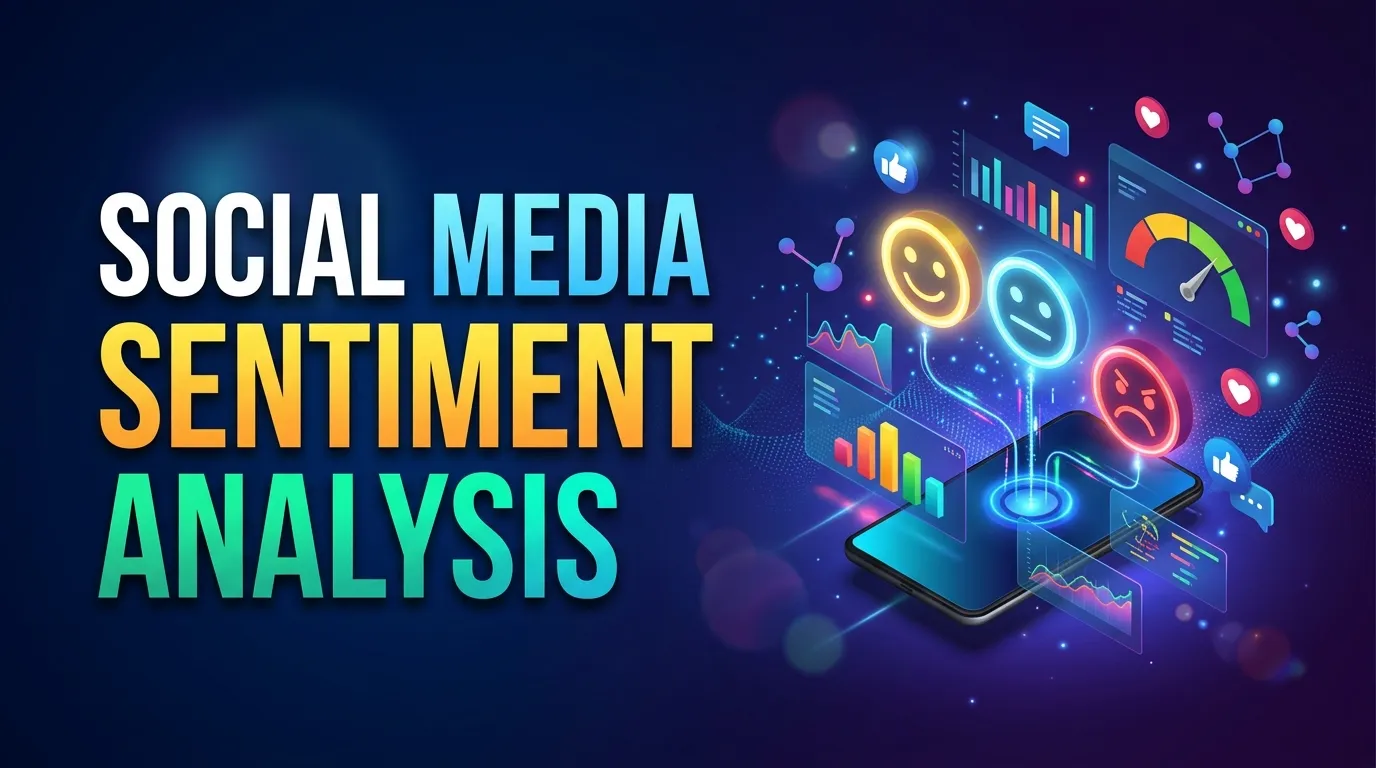 Social media sentiment analysis is the process of evaluating whether online conversations express positive, negative, or neutral opinions about a brand, product, service, or topic. This analysis helps businesses understand the emotional context behind customer discussions. For example, a customer might mention a product positively while discussing its quality but express dissatisfaction with its pricing. Sentiment analysis helps organizations identify these differences and understand the overall direction of public opinion.
Social Media Listening Software often includes sentiment analysis capabilities that use artificial intelligence and natural language processing to examine large volumes of online conversations. These technologies can categorize comments and identify patterns that would be difficult to evaluate manually. Businesses can use sentiment insights to measure customer reactions before and after marketing campaigns, product launches, or changes in company policies. If negative sentiment increases after a particular announcement, marketing and customer service teams can investigate the reason.
However, automated sentiment analysis is not always perfect. Sarcasm, slang, cultural differences, and complicated language can sometimes produce inaccurate classifications. Human review remains important when evaluating sensitive or high-impact conversations. When used carefully, sentiment analysis gives organizations a better understanding of customer opinions and helps them make more informed business decisions.
Customer Feedback Monitoring Tools
Customer feedback monitoring tools help businesses collect and analyze opinions shared through social media comments, online reviews, discussion forums, surveys, and other digital channels. Customer feedback is valuable because it provides direct information about real experiences with a company’s products and services. It can reveal problems that internal teams might not notice through traditional performance reports.
Social Media Listening Software allows businesses to organize customer feedback and identify repeated themes across different platforms. For instance, a software company might discover that users frequently request a particular feature or experience difficulties during account registration. These insights can help product development teams prioritize improvements based on actual customer needs. Customer support departments can also identify recurring issues and develop more effective solutions.
Feedback monitoring is especially important for businesses that operate in competitive industries. Understanding what customers like or dislike about existing products can help organizations discover opportunities to differentiate their offerings. Businesses should also communicate with customers after identifying their feedback. Responding to concerns, explaining improvements, and acknowledging suggestions demonstrates that customer opinions matter. This approach can strengthen trust and encourage long-term loyalty.
Social Media Engagement Tracking
Social media engagement tracking measures how audiences interact with a brand’s content across different platforms. Common engagement indicators include likes, comments, shares, saves, clicks, mentions, and other interactions. Understanding engagement helps businesses evaluate whether their content is attracting attention and encouraging meaningful participation. However, high engagement does not automatically mean a campaign is successful. Marketers must also consider the quality and context of the interactions.
Social Media Listening Software helps businesses connect engagement measurements with actual conversations. This makes it easier to understand why audiences respond positively or negatively to particular posts. For example, a promotional video may receive many views but generate very few meaningful comments. Another educational post may attract fewer views but encourage detailed questions and product inquiries. Both results provide different types of marketing insights.
Video content is particularly important for modern engagement strategies. Businesses can use listening and analytics insights to identify popular topics, understand audience preferences, and improve future video campaigns. They can also explore this guide on how to measure and improve video marketing ROI to understand how video performance connects with wider marketing objectives. Engagement tracking also helps businesses determine the best content formats, publishing schedules, and communication styles for their audiences.
Brand Mention Tracking Software
 Brand mention tracking software focuses on identifying whenever a company, product, service, or relevant keyword appears in online conversations. Not every brand mention includes a direct tag or notification. Customers may discuss a company without using its official social media username. As a result, businesses that depend only on platform notifications can miss important conversations.
Social Media Listening Software helps address this challenge by tracking relevant keywords and identifying mentions across supported online sources. Businesses can discover conversations that would otherwise remain unnoticed. Brand mention tracking is useful for identifying customer recommendations, product complaints, media discussions, and potential partnership opportunities. It can also help companies understand how frequently their brands are mentioned compared with competitors.
For example, a restaurant may discover that customers frequently recommend its signature dish in local community discussions. The business can use this information to create relevant promotional content and strengthen its connection with existing customers. Mention tracking can also support influencer identification. Businesses can find people who regularly discuss their products or industry and evaluate opportunities for authentic collaboration. To get meaningful results, organizations should maintain relevant keyword lists and regularly review their tracking settings. Including product names, common spelling variations, branded hashtags, and important campaign terms can improve monitoring coverage.
Competitor Social Media Analysis Tools
Competitor social media analysis tools help businesses understand how competing brands communicate with their audiences, promote their products, and perform across social media platforms. Analyzing competitors can reveal useful information about industry positioning, content strategies, audience interests, promotional activities, and customer expectations.
Social Media Listening Software makes competitive analysis more effective by helping organizations identify discussions involving competing brands and compare relevant audience conversations. Businesses can discover which topics attract attention, what customers appreciate about competitors, and where competing products may have weaknesses. For example, an online retail company might discover that customers frequently complain about limited payment options offered by competing stores. This information could help the company improve its own payment experience and highlight that advantage in its marketing campaigns.
Competitive listening can also help organizations identify emerging industry trends. When several competitors begin discussing a new product category or customer requirement, businesses can investigate whether the topic represents an opportunity for their own products or services. Social media trends can change quickly, making continuous research important. Companies can explore how social media viral trends start and spread to better understand the conversations and content patterns that influence online audiences. Businesses should also connect competitor insights with their broader marketing activities. For example, customer discussions can help identify relevant topics for webinars, educational campaigns, and lead-generation activities. Organizations planning these campaigns can review webinar conversion strategies and webinar marketing best practices to understand how audience engagement and effective promotion support business growth. The objective of competitor analysis is not simply to copy successful campaigns. Instead, businesses should use the information to identify gaps, understand customer expectations, and develop strategies that distinguish their brands from others.
Conclusion
Understanding online conversations has become an important part of successful digital marketing. Customers regularly share opinions, discuss products, recommend services, and communicate their experiences across multiple platforms. Businesses that pay attention to these conversations can discover valuable opportunities to improve their products, customer service, and marketing strategies. Social Media Listening Software provides the tools needed to monitor brand mentions, analyze sentiment, track customer feedback, evaluate engagement, and understand competitors. By combining monitoring capabilities with analytics and reputation management, organizations can develop a clearer picture of their digital presence.
FAQ
1. What is social media listening software?
Social media listening software is a digital solution that helps businesses monitor and analyze conversations across social media platforms and other online sources. It identifies brand mentions, customer opinions, industry discussions, and relevant trends to help organizations understand their audiences and improve marketing decisions.
2. How does social media listening software work?
The software collects publicly available or otherwise authorized online information based on selected keywords, hashtags, brand names, and topics. It organizes relevant conversations and uses analytics or artificial intelligence to identify patterns, measure sentiment, and generate reports that businesses can use for decision-making.
3. What is the difference between social media monitoring and social listening?
Social media monitoring mainly focuses on tracking individual mentions, comments, and conversations so businesses can respond to them. Social listening goes further by analyzing broader discussion patterns, customer opinions, and industry trends to understand what those conversations mean for the business.
4. Why is social media listening important for businesses?
Social listening helps businesses understand customer expectations, identify service problems, monitor brand reputation, discover market trends, and evaluate competitor activities. These insights can improve customer experiences, support product development, and strengthen digital marketing strategies.
5. Can social media listening software track competitors?
Yes. Many solutions allow businesses to monitor competitor brand names, product mentions, hashtags, and industry-related discussions. This information helps organizations understand competitor positioning, identify audience preferences, and discover opportunities to improve their own strategies.
6. What is sentiment analysis in social media listening?
Sentiment analysis evaluates the emotional tone of online conversations and categorizes opinions as positive, negative, or neutral. It helps businesses understand customer reactions to products, services, campaigns, and brand announcements.
7. Can small businesses benefit from social media listening tools?
Yes. Small businesses can use listening tools to monitor customer feedback, identify local conversations, understand competitors, and discover potential customers. Even basic monitoring capabilities can provide useful insights without requiring a large marketing team.
8. What features should businesses look for in social media listening software?
Businesses should consider keyword monitoring, brand mention tracking, sentiment analysis, competitor analysis, engagement reporting, customizable dashboards, alerts, and data visualization. Integration options, supported platforms, ease of use, and pricing are also important considerations.
9. How can social media listening improve customer service?
It helps businesses identify customer questions, complaints, and concerns across online channels. Support teams can respond more quickly, recognize recurring problems, and use customer feedback to improve products and services. Timely communication can also strengthen customer satisfaction and trust.
10. How often should businesses monitor social media conversations?
Businesses should monitor relevant conversations regularly rather than relying on occasional reviews. Many organizations benefit from continuous monitoring and automated alerts for important brand mentions, customer complaints, and industry developments. The ideal frequency depends on business size, industry, audience activity, and available resources.






Leave a Reply