

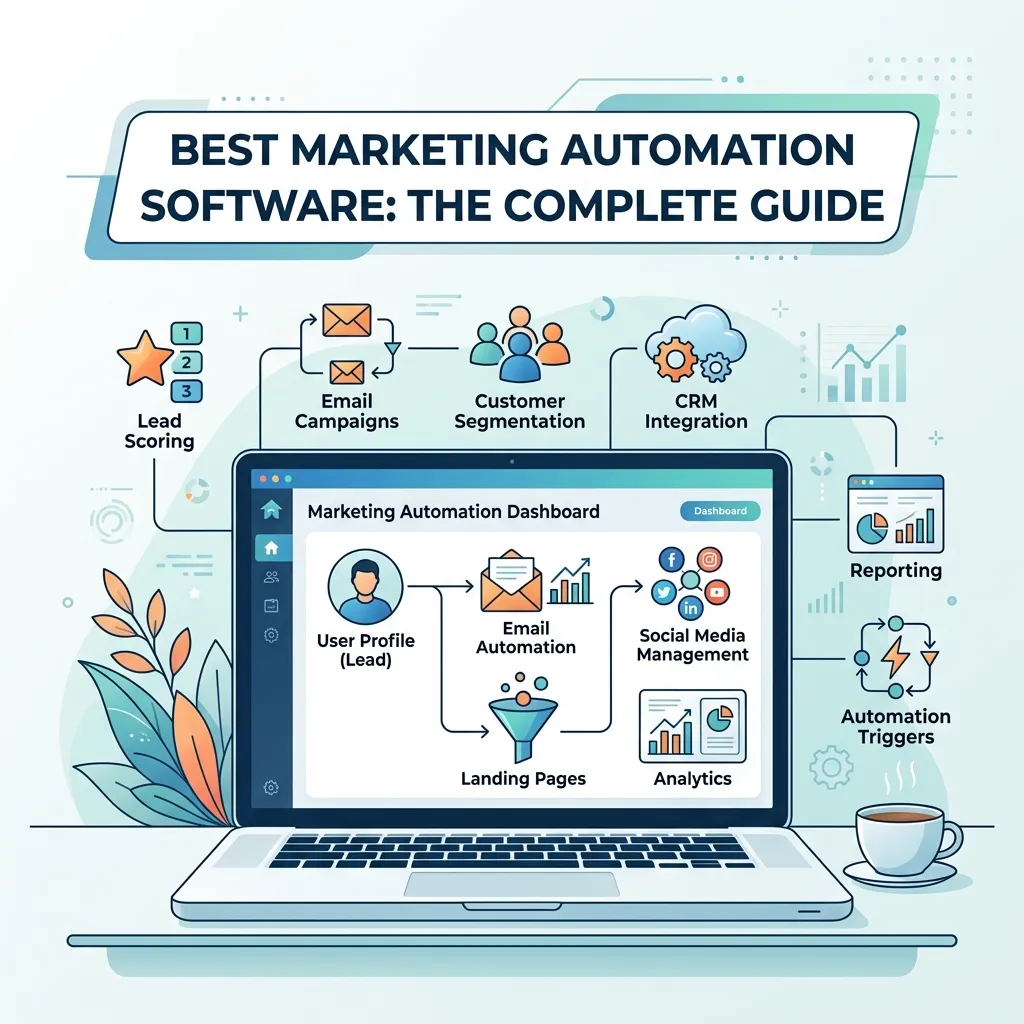
The best marketing automation software isn’t one universal winner — it’s whichever platform matches your company’s size, technical resources, and the complexity of your buyer journey. This guide breaks down the leading options across small business, mid-market, and enterprise categories, what actually separates them beyond marketing copy, and a practical framework for choosing the right one instead of defaulting to whichever name comes up most often in search results.
Searching for the best marketing automation software turns up dozens of “top 10” lists, most of which rank the same handful of platforms in a slightly different order depending on who’s writing the article. The truth is that ranking these tools on a single scale misses the point entirely — a platform built for enterprise account-based marketing solves a completely different problem than one built for a five-person SMB team trying to automate its first welcome email sequence.
This guide organizes the strongest marketing automation platforms by the buyer they actually serve, walks through what separates the SMB-friendly tools from the enterprise suites, and gives you a framework for matching a platform to your team rather than chasing whichever name shows up most often in review sites.
What Marketing Automation Software Actually Does
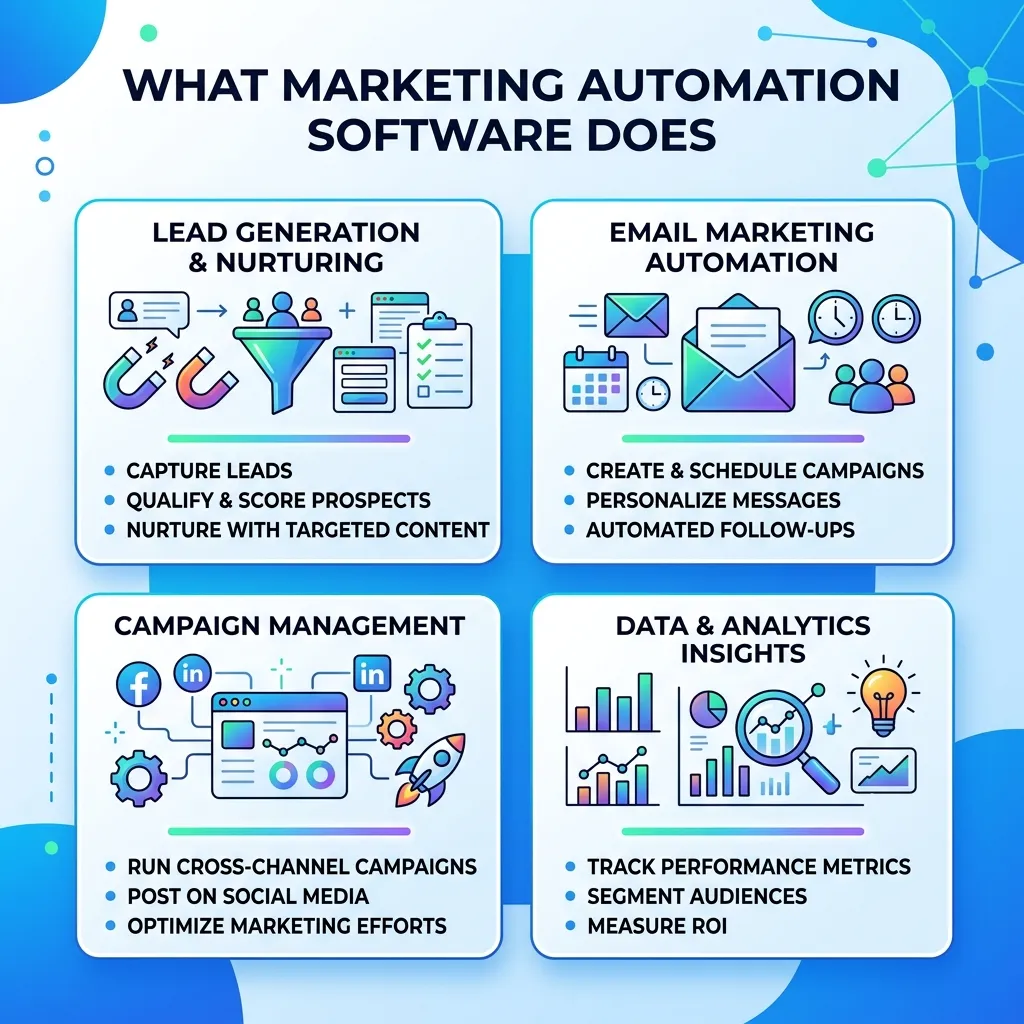
At a functional level, marketing automation software triggers actions — sending an email, updating a CRM record, scoring a lead, or launching a retargeting ad — based on a contact’s behavior rather than requiring a marketer to manually execute each step. The core capabilities buyers consistently look for include workflow automation, audience segmentation, lead scoring, and reporting that connects marketing activity back to actual revenue outcomes, not just open and click rates in isolation.
The category has effectively split into three buyer segments, and understanding which one describes your business is the fastest way to narrow a long list of options down to a handful worth evaluating seriously.
The Three Segments of Marketing Automation Software
SMB-Friendly, All-in-One Platforms
Small and mid-sized businesses generally want a platform that combines email marketing, basic automation, and often a lightweight CRM into a single, approachable tool. ActiveCampaign is frequently cited as a strong pick in this category, offering a visual automation builder capable of fairly sophisticated branching logic without requiring a dedicated marketing operations specialist to run it. Brevo and Mailchimp also fit here, with Brevo in particular standing out for combining generous free-tier limits with straightforward automation building, making it a common starting point for teams testing automation for the first time.
B2B-Focused Platforms with Deep CRM Integration
Businesses running longer sales cycles with a dedicated sales team typically need marketing automation tightly coupled to a CRM. HubSpot is the platform most frequently recommended in this segment, largely because its marketing, sales, and CRM functionality live in one connected system rather than requiring separate tools stitched together through integrations. Our guide on marketing automation and CRM integration covers what to look for in this kind of connected setup regardless of which specific platform you choose.
Enterprise-Grade Suites
At the top end, the platforms most often cited as the best marketing automation software for large-scale needs — Adobe Marketo Engage, Salesforce’s marketing automation offering, and Oracle Eloqua — serve large organizations with complex, multi-channel campaigns, dedicated marketing operations teams, and budgets to match. These platforms offer substantially more depth in lead scoring, account-based marketing, and advanced attribution, but they also require real implementation investment and ongoing administration that smaller teams typically don’t have the resources to support.
E-commerce Deserves Its Own Category
Ecommerce brands have distinct needs that the best marketing automation software for general B2B use doesn’t always serve well — dynamic product recommendations, real-time catalog syncing, and cart-abandonment flows built around actual purchase behavior rather than generic lead scoring. Klaviyo has become the platform most closely associated with this use case specifically because of how deeply it integrates with ecommerce platform data, letting automation trigger off real purchase and browsing behavior rather than surface-level engagement signals alone.
How to Actually Choose the Best Marketing Automation Software for Your Business
Rather than starting from a ranked list, work through these questions in order:
- What’s your primary buyer journey? A long B2B sales cycle needs different automation logic than a same-day ecommerce purchase decision.
- Do you need a native CRM, or do you already have one? Some platforms bundle CRM functionality tightly; others are built to plug into a CRM you already use.
- What’s your team’s technical capacity? Enterprise suites deliver more power but demand more setup and ongoing management than most small teams can realistically support.
- What’s your realistic budget once you scale past the entry tier? Many platforms price attractively at the entry level and become significantly more expensive once you need real automation depth, so evaluate total cost at the tier you’ll likely need in a year, not just the starting price.
- How does it fit your existing marketing stack? A platform that requires replacing tools you already rely on adds migration cost that’s easy to underestimate upfront.
Common Features Worth Comparing Beyond the Marketing Copy
Vendor websites tend to emphasize the same buzzwords — AI-powered, all-in-one, enterprise-grade — which makes genuine comparison difficult without looking past the headline claims. A few areas worth scrutinizing directly rather than taking at face value:
- Workflow builder depth. Test whether the visual automation builder can handle the actual branching logic your campaigns need, not just simple linear sequences.
- Native integrations versus third-party connectors. A platform that connects to your CRM or ecommerce platform natively behaves very differently than one that requires a middleware tool to bridge the gap.
- Reporting that ties back to revenue. Open and click rates are easy to report on; attribution connecting automation to actual pipeline or sales is what separates genuinely useful reporting from vanity metrics.
- AI feature maturity. Nearly every platform now claims AI capability, but the actual usefulness varies enormously between genuinely helpful content or send-time optimization and superficial features added mainly for marketing purposes.
Why “Best” Depends Entirely on Company Stage
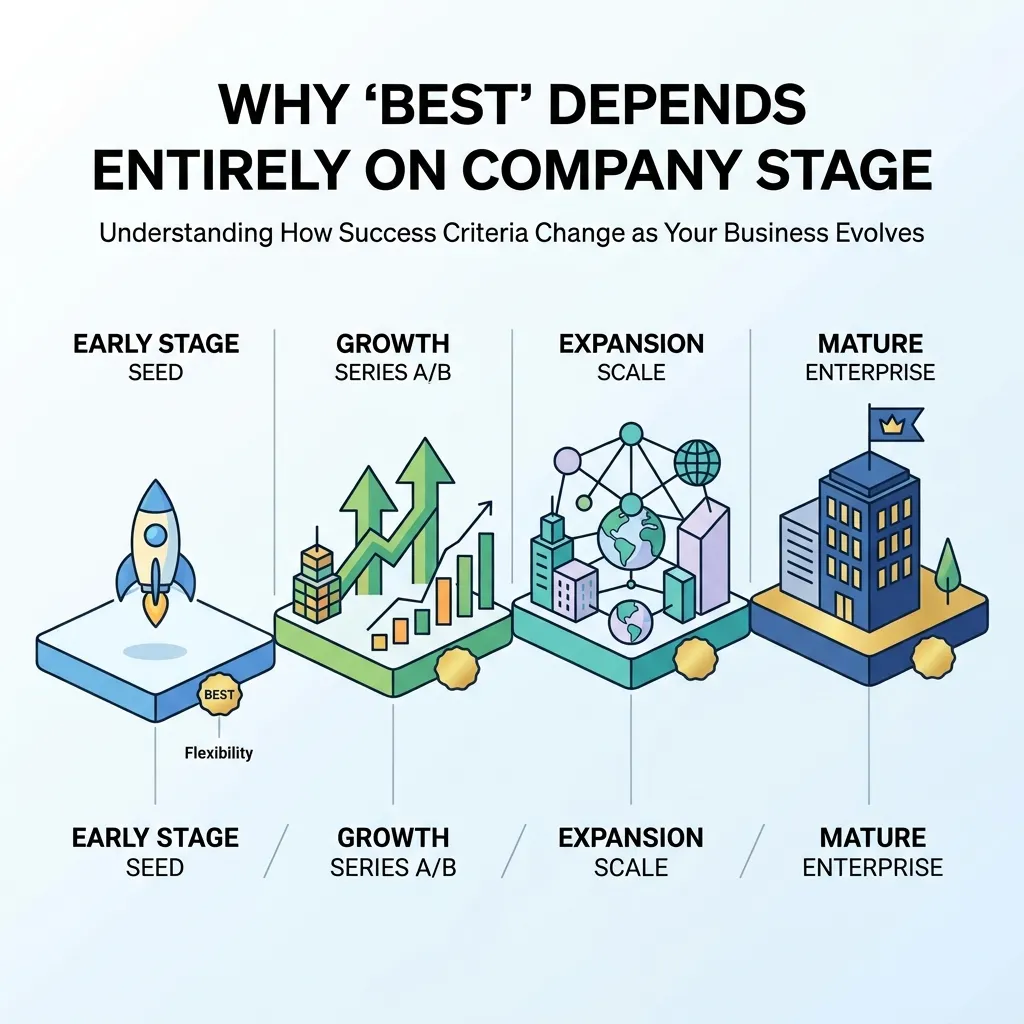
A platform that’s overkill for a five-person startup might be exactly right for the same company two years later with a dedicated marketing operations hire. It’s worth building a strategy first and choosing software second, since automating a poorly defined process just scales the confusion faster. Our guide to building a marketing automation strategy is a useful starting point before evaluating specific platforms, since the right tool becomes far more obvious once the underlying strategy and workflows are actually mapped out.
For small businesses specifically weighing whether they’re even ready for a dedicated platform yet, our guide on marketing automation for small business covers how to know when manual processes have genuinely outgrown a spreadsheet-and-email approach and are ready for real automation software.
Real-World Scenarios: Matching Software to Situation
Abstract buyer segments are useful, but seeing how they play out in practice makes the decision easier. A ten-person DTC brand doing most of its revenue through an online store is usually better served by an ecommerce-native platform than by a general-purpose B2B tool, even if the B2B tool has a longer feature list on paper — the automation triggers it needs (cart abandonment, post-purchase flows, browse abandonment) are purpose-built in ecommerce platforms and often bolted on awkwardly elsewhere.
A 50-person B2B software company with a dedicated sales team, by contrast, usually gets more value from a platform with tight CRM integration, since lead handoff between marketing and sales is where the highest-value automation work happens. And a 500-person enterprise running account-based marketing across multiple regions typically needs the depth an enterprise suite provides, even though that same platform would be needlessly complex and expensive for either of the two smaller examples above.
None of these scenarios points to a universal “best” answer — they point to the same conclusion from three different directions: the right choice depends entirely on the shape of the business asking the question. Treating the best marketing automation software as a fixed ranking rather than a fit-based decision is exactly what leads so many businesses to buy a platform that looks impressive in a demo but never gets fully adopted by the team using it day to day.
Migrating to a New Platform Later
It’s worth acknowledging upfront that switching marketing automation software later is a real project, not a quick swap. Contact data, automation logic, and integration setups all need to be rebuilt or migrated, and campaigns in flight during a transition can break in ways that are hard to catch until after the fact. This isn’t a reason to avoid changing platforms when a genuine mismatch exists, but it is a reason to weigh the decision carefully upfront rather than treating the first platform choice as low-stakes and easily reversible.
Common Mistakes When Choosing Marketing Automation Software
- Buying based on brand recognition alone. The most commonly recommended platform in generic “best of” lists isn’t automatically the best fit for your specific buyer journey and team size.
- Underestimating pricing at the tier you’ll actually need. Entry-level pricing on many platforms doesn’t reflect the cost of the automation depth most businesses eventually require.
- Skipping the strategy step. Automation software amplifies whatever process you already have, including a badly designed one, so mapping out workflows before shopping for software saves significant rework.
- Ignoring integration depth with existing tools. A platform with a weak or third-party-dependent CRM integration creates ongoing friction that’s easy to underestimate during a sales demo.
- Choosing enterprise features you won’t use. Paying for advanced account-based marketing or predictive scoring capabilities your team doesn’t have the resources to configure and maintain is a common source of wasted spend.
A Quick Word on Comparing Marketing Automation to Simpler Alternatives
Not every business is ready for full marketing automation software, and it’s worth being honest about whether a simpler tool actually covers your current needs before investing in a more complex platform. Our comparison of email marketing versus marketing automation is a useful gut check for teams unsure whether they’ve genuinely outgrown a straightforward email tool or are being sold on complexity they don’t yet need.
Evaluating Platforms the Way You’d Evaluate Any Tool Category

The instinct to compare platforms by fit rather than by an abstract “best” ranking holds up across marketing software categories generally. Wompromotion’s comparison of brand advocacy platforms makes a similar point in a different category — the right platform choice depends on matching a tool’s strengths to your team’s actual workflow and resources, not chasing whichever option tops a generic ranking. The same logic applies directly to choosing marketing automation software: define what you actually need first, then evaluate platforms against that specific list rather than a marketing department’s claims.
Conclusion
There’s no single answer to what the best marketing automation software is — the right platform depends on your buyer journey, technical resources, existing CRM setup, and realistic budget at the tier you’ll actually need. SMB-friendly all-in-ones like ActiveCampaign and Brevo serve teams that want simplicity and fast setup. CRM-integrated platforms like HubSpot suit businesses with dedicated sales teams and longer cycles. Enterprise suites like Marketo and Salesforce serve organizations with the resources to support real implementation complexity, and ecommerce-specific tools like Klaviyo serve brands whose automation needs to trigger off purchase behavior rather than generic lead scoring. Define your strategy and requirements first, then match a platform to that reality rather than a ranked list, and you’ll end up with software that actually gets used rather than one more subscription quietly underperforming in the background.
Frequently Asked Questions About Marketing Automation Software
What is the single best marketing automation software?
There isn’t one universal answer — the right platform depends on your business size, buyer journey, and whether you need deep CRM integration, ecommerce-specific features, or enterprise-scale complexity.
Is HubSpot the best marketing automation software for small businesses?
HubSpot works well for businesses that want CRM and marketing tightly integrated, but its pricing can climb quickly at higher tiers, so simpler SMB-focused platforms may be a better fit for very small teams.
What’s the difference between SMB and enterprise-grade marketing automation software?
SMB platforms prioritize ease of use and fast setup, while enterprise suites offer deeper lead scoring, account-based marketing, and attribution capabilities but require more implementation and ongoing administration.
Is Klaviyo considered marketing automation software?
Yes, Klaviyo is a marketing automation platform built specifically for ecommerce, with deep integration into store and purchase data that general-purpose platforms don’t always match.
Do I need a CRM before choosing marketing automation software?
Not necessarily. Some platforms include a native CRM, while others are designed to integrate with a CRM you already use, so the right choice depends on your existing tech stack.
How much does marketing automation software typically cost?
Costs vary widely by platform and tier, with SMB-friendly tools generally more affordable at entry level and enterprise suites requiring significantly larger budgets and implementation investment.
What features matter most when comparing marketing automation platforms?
Workflow automation depth, native integrations, segmentation, lead scoring, and reporting that ties activity back to actual revenue outcomes are the features most worth comparing closely.
Can a small business outgrow its marketing automation software?
Yes. As buyer journeys, team size, and campaign complexity grow, businesses often need to migrate to a platform with deeper automation logic or tighter CRM integration than what they started with.
Is AI a meaningful differentiator between marketing automation platforms in 2026?
AI capability is now common across most platforms, but maturity varies significantly, so it’s worth testing actual AI features rather than relying on marketing claims alone.
Should I choose marketing automation software based on price or features first?
Neither in isolation. The better approach is defining your actual workflow needs first, then comparing platforms that meet those needs at a price your business can sustain long-term.
What’s the biggest risk of choosing the wrong marketing automation software?
Automating a poorly defined process, which scales confusion and wasted effort rather than genuine efficiency, regardless of how powerful the underlying platform is.
How often should a business re-evaluate its marketing automation software?
Reviewing your platform choice annually, or whenever your buyer journey or team size changes significantly, helps confirm that what you once considered the best marketing automation software for your situation still fits, rather than assuming the original choice remains correct indefinitely.






Leave a Reply