

In the ever-shifting world of fashion, what is celebrated today can be obsolete by tomorrow. For brands, this rapid cycle presents a crucial challenge: how to stay relevant. This guide dives deep into the art and science of trend marketing in fashion, showing you how to capture the cultural zeitgeist, connect with consumers, and transform fleeting moments into lasting brand loyalty.
This comprehensive article provides a strategic roadmap for mastering trend marketing in fashion. We’ll explore the psychology of trend adoption, methods for identifying trends before they peak, and platform-specific strategies for social media dominance. You will gain actionable insights on building authentic influencer partnerships, creating campaigns that resonate, measuring true ROI, and avoiding common pitfalls. This is your definitive guide to ensuring your brand doesn’t just follow trends, but becomes a tastemaker.
Understanding Trend Marketing in Fashion
At its core, trend marketing in fashion is the strategic practice of aligning a brand’s products, messaging, and campaigns with emerging cultural patterns and consumer behaviors. It’s about more than just slapping a trending color on a t-shirt. It’s a sophisticated discipline that involves listening, predicting, and participating in cultural conversations in a way that feels both timely and authentic to your brand identity.
The fashion industry uniquely operates on multiple trend cycles simultaneously:
- Micro-Trends: These are fleeting aesthetics, often popularized on platforms like TikTok, that may last only a few weeks or months (e.g., “Cottagecore,” “Barbiecore”).
- Seasonal Trends: These are more predictable patterns tied to the fashion calendar, like spring florals or autumn earth tones. They are a core component of seasonal trends in marketing.
- Macro-Trends: These are broad, long-term shifts in societal values that influence fashion for years, such as sustainability, gender fluidity, and the rise of remote-work-appropriate attire.
A successful approach to trend marketing in fashion requires a brand to discern which trends are merely flashes in the pan and which represent significant shifts worthy of investment. For a brand specializing in luxury brand marketing, jumping on a low-quality, fast-fashion meme trend might dilute its brand equity. Conversely, a Gen Z-focused brand ignoring a major TikTok challenge could appear out of touch. Mastering trend marketing in fashion means making these strategic choices correctly and consistently.
The Psychology Behind Fashion Trend Adoption
To excel at trend marketing in fashion, one must first understand the “why” behind consumer behavior. The psychology of trend marketing in this industry is deeply rooted in fundamental human desires.
- Social Belonging: Humans are social creatures. Adopting a trend is a way to signal belonging to a particular group or community. When a brand successfully positions its products within a trend, it isn’t just selling a garment; it’s offering a ticket to a cultural movement.
- Self-Expression: Fashion is a primary form of personal identity expression. Trends provide a new vocabulary for consumers to tell the world who they are. Effective trend marketing in fashion taps into this by showing how a product can empower an individual’s unique style.
- The Fear of Missing Out (FOMO): Social media has amplified marketing FOMO to an unprecedented degree. The constant stream of new styles creates a sense of urgency. Consumers see influencers and peers adopting new looks, triggering a desire to participate before the moment passes.
- Social Proof: When consumers see celebrities, influencers, or a large number of peers embracing a style, it validates the trend and reduces the perceived risk of adoption. This is why influencer marketing for product placement is so powerful in fashion.
By understanding these psychological drivers, brands can craft fashion marketing strategies that resonate on an emotional level, encouraging organic adoption rather than forcing a sale.
Identifying Fashion Trends Before They Peak
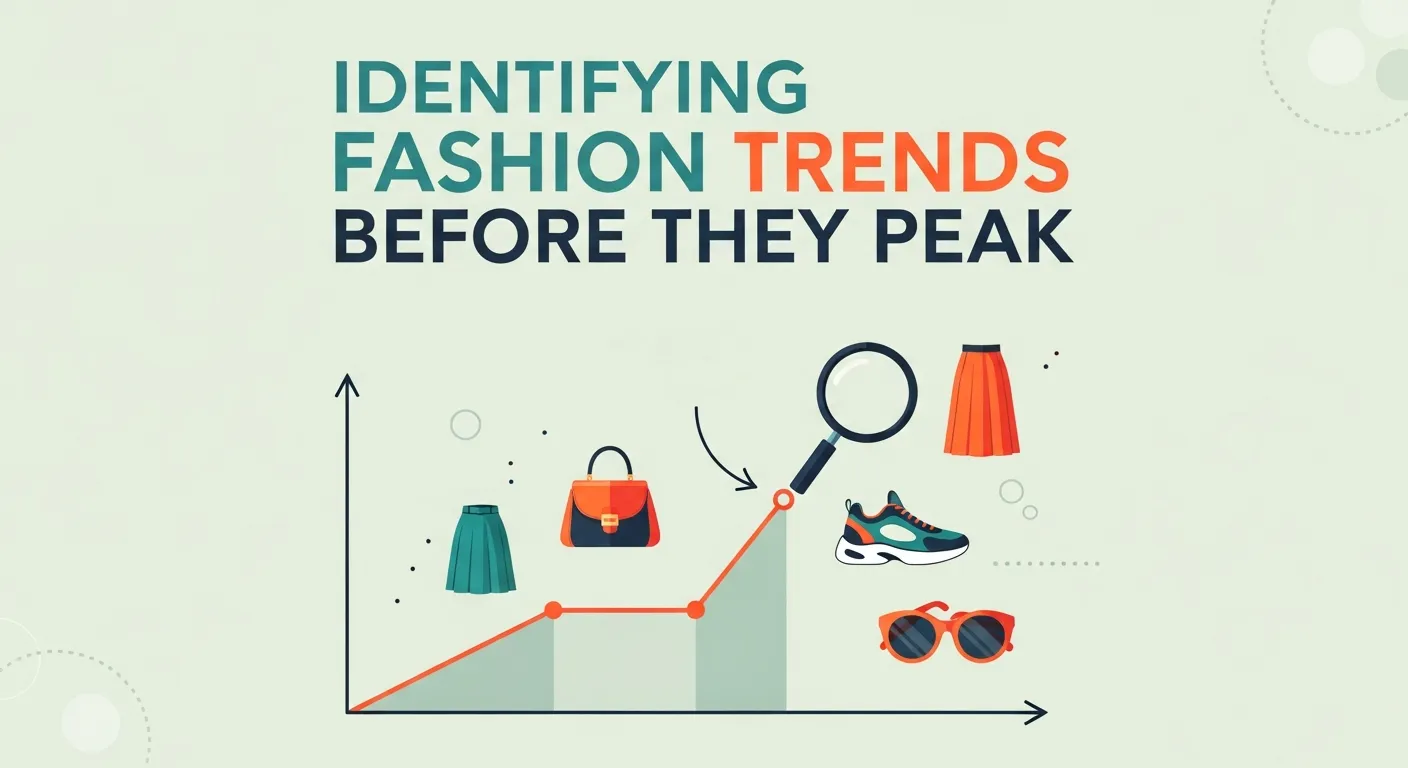
The most significant advantage in trend marketing in fashion comes from spotting trends early. Being a leader, rather than a follower, builds brand authority and captures the market before it becomes saturated. Here’s how to build an effective trend-spotting system.
Digital Listening and Social Media Monitoring
- TikTok and Instagram: These platforms are the petri dishes of modern fashion. Monitor emerging hashtags, trending audio used in “Get Ready With Me” videos, and the content of micro-influencers. These smaller creators are often the true innovators.
- Pinterest Trends: Pinterest functions as a visual search engine for future plans. Its trend prediction reports are highly accurate because they are based on what users are searching for and saving for future purchases, providing invaluable data for trend marketing in fashion.
- Data and AI: Utilize tools that employ an AI-driven trend forecasting model. Platforms like Heuritech or WGSN use AI to analyze millions of social media images and posts, identifying patterns and predicting which styles will become mainstream. This is the new frontier of trend marketing in fashion.
Traditional and Industry Sources
- Street Style Analysis: Fashion weeks in New York, London, Milan, and Paris are still relevant. However, the real trends are often found on the streets outside the shows. Analyze what editors, buyers, and influencers are wearing.
- Cultural Event Monitoring: Major cultural events, from the Met Gala to Coachella, often launch or solidify fashion trends. Observe how pop culture moments influence consumer searches and desires.
- Competitor and Market Analysis: A thorough competitive brand analysis is crucial. What micro-trends are your competitors jumping on? What macro-trends are they investing in? This helps you identify gaps and opportunities in your own trend marketing in fashion strategy.
|
Trend Source |
Type of Insight |
How to Use It |
|---|---|---|
|
TikTok Creators |
Emerging micro-trends, aesthetics |
Partner with creators, incorporate aesthetics into quick-turnaround capsules |
|
Pinterest Trends |
Future consumer purchasing intent |
Plan future collections, optimize SEO for upcoming trend terms |
|
Fashion Week Street Style |
Industry-insider adoption, styling ideas |
Inform styling for campaigns, validate emerging silhouettes or colors |
|
WGSN/Trend Forecasting |
Macro and long-term cultural shifts |
Guide long-term brand positioning strategy and collection development |
Leveraging Social Media for Trend Marketing
Social media is the primary arena for executing trend marketing in fashion. A one-size-fits-all approach will fail; each platform requires a tailored strategy.
Instagram: The Visual Showcase
Instagram remains the powerhouse for consumer brand marketing in fashion.
- Reels: Create dynamic video content demonstrating how to style a trending item in multiple ways. Use trending audio to increase reach.
- Stories: Use polls and quizzes to gauge audience interest in emerging trends. This direct feedback is invaluable. Share behind-the-scenes content of your team’s trend research process to build transparency.
- Carousels: Develop “How-To” guides for adopting a trend, reinforcing your brand as a helpful authority in the space.
TikTok: The Trend Engine
Viral marketing on TikTok has rewritten the rules of trend marketing in fashion.
- Participate, Don’t Intrude: Don’t just run ads. Create content that feels native to the platform. Participate in relevant challenges or create your own branded hashtag challenge.
- Creator Partnerships: Collaborate with TikTok creators who embody your brand voice. Give them creative freedom to integrate your product authentically into their content.
- Sound is Key: Create or use trending sounds. A sound can make a video go viral even more than the visuals. This is a form of sonic branding.
Pinterest: The Inspiration Hub
Pinterest is where consumers go to plan. It’s a crucial platform for long-lead trend marketing in fashion.
- Trend-Based Boards: Create boards dedicated to emerging trends like “Dopamine Dressing” or “Coastal Grandmother,” featuring your products alongside aspirational imagery.
- SEO Optimization: Users on Pinterest are actively searching. Optimize your pin descriptions with keywords related to the trends to capture this high-intent traffic.
Influencer Partnerships and Trend Amplification
Strategic influencer partnerships are a cornerstone of modern trend marketing in fashion. The key is authenticity and strategic alignment.
The Power of Micro-Influencers
While a mega-influencer can offer massive reach, micro-influencers (10k-100k followers) often deliver higher engagement and more authentic connections. Their followers trust their recommendations, making them incredibly effective for driving action around a new trend. Partnering with them early in a trend’s lifecycle positions your brand as a discovery, not a bandwagon-jumper.
Building Authentic Relationships
The most effective influencer campaigns come from genuine relationships.
- Long-Term Ambassadorships: Instead of one-off posts, build ongoing partnerships. This allows the influencer to integrate your brand naturally over time, strengthening the brand consistency of the message.
- Co-Creation: Involve influencers in the design process or let them curate a collection. This gives them a sense of ownership and motivates them to promote the products genuinely.
- Creative Freedom: Avoid overly restrictive briefs. The influencer knows their audience best. Provide guidelines but allow them to create content in their own voice. This is vital for successful trend marketing in fashion.
Creating Authentic Trend-Based Campaigns
Audiences can spot inauthentic marketing from a mile away. For trend marketing in fashion to succeed, it must feel genuine and aligned with your brand’s core identity.
The Brand Alignment Check
Before jumping on a trend, ask critical questions:
- Does this trend align with our brand values? A brand built on ethical branding and sustainability should avoid promoting fast-fashion hauls.
- Can we add a unique perspective? Don’t just copy. How can your brand interpret this trend in a way that is unique to its brand personality?
- Is this trend respectful? Be wary of cultural appropriation. Research the origins of a trend. A mistake here can lead to a significant brand crisis management situation.
Integrating Trends into Your Brand Story
Successful trend marketing in fashion weaves trends into the brand’s larger narrative. Instead of creating a separate “trend campaign,” show how the trend is a natural extension of your brand’s aesthetic. This is effective brand storytelling. For example, a heritage brand might frame a new trend as a modern reinterpretation of an archival piece.
Measuring Success in Trend Marketing
To prove the value of trend marketing in fashion, you need to track metrics that go beyond likes and views.
|
Metric Category |
Key Performance Indicators (KPIs) |
What It Tells You |
|---|---|---|
|
Engagement Quality |
Comments, Shares, Saves, Sentiment Analysis |
The depth of audience interest and emotional response to your campaign. |
|
Brand Perception |
Share of Voice, Brand Mentions, Follower Growth |
How the campaign is influencing your brand’s position in the market. |
|
Conversion & Sales |
Click-Through Rate (CTR), Conversion Rate, Sales Lift |
Whether the trend is driving actual commercial results. |
|
Long-Term Value |
Customer Lifetime Value (CLV) of acquired customers |
If the campaign is attracting valuable, long-term customers. |
By analyzing these metrics, you can understand which trend marketing in fashion initiatives are delivering real ROI and refine your strategy over time. Using tools like Google Analytics to track referral traffic from social media is essential.
Avoiding Common Trend Marketing Pitfalls
The fast pace of trend marketing in fashion is fraught with potential missteps. Awareness is the first step to avoidance.
- The Late Adopter Problem: Jumping on a trend after it has peaked makes a brand look out of touch. Implement a rapid response system for content creation and approvals.
- Trend Overload: Chasing every single trend dilutes your brand identity. Be selective. It’s better to perfectly execute one aligned trend than to poorly participate in five.
- Ignoring the “Why”: Participating in a trend without understanding its cultural context can lead to tone-deaf messaging. This is especially risky with trends born from social or political movements.
- Forgetting Your Core Audience: While trend marketing in fashion can attract new customers, it shouldn’t alienate your loyal base. Ensure your trend-based content still speaks to the people who have supported you from the start.
Future-Proofing Your Trend Marketing Strategy
The landscape of trend marketing in fashion is constantly evolving. To stay ahead, brands must be forward-thinking.
- Sustainability and Conscious Consumption: The future of trends is less about buying new things and more about styling existing ones. Brands that provide styling inspiration and promote longevity will win.
- Technology Integration: Augmented Reality (AR) try-on filters, virtual showrooms, and AI-powered stylists will become standard tools in trend marketing in fashion.
- Hyper-Personalization: Using data to deliver trend recommendations tailored to individual customer preferences will move from a novelty to an expectation.
- Global Inclusivity: Trends are no longer dictated solely by Western fashion capitals. Brands must have a global perspective, recognizing and respectfully engaging with trends emerging from all corners of the world.
Conclusion
Mastering trend marketing in fashion is not about having a crystal ball. It is about building a system of listening, a culture of creativity, and the strategic discipline to act decisively. It requires a delicate balance between reacting to the moment and staying true to your brand’s long-term vision.
The brands that will thrive are those that view trends as opportunities to connect, entertain, and add value to their customers’ lives. By focusing on authenticity, leveraging data, and embracing strategic risk-taking, you can ensure your brand is always one step ahead, shaping culture rather than just reacting to it. This proactive approach is the very essence of successful trend marketing in fashion.
Frequently Asked Questions (FAQs)
1. What is the difference between a fad and a trend in fashion?
A fad is a short-lived craze that appears suddenly and disappears just as quickly, often lacking deeper cultural roots. A trend has a longer lifespan and reflects a broader shift in consumer behavior or aesthetics. Effective trend marketing in fashion focuses on identifying and leveraging trends, not chasing fads.
2. How can a small fashion brand with a limited budget compete in trend marketing?
Small brands can excel by being agile. Focus on micro-trend marketing and organic content on platforms like TikTok. Leverage user-generated content and build strong relationships with a few key micro-influencers. Authenticity and creativity are more important than budget.
3. How do you measure the ROI of trend marketing in fashion?
Track a mix of metrics: engagement quality (comments, saves), brand lift (follower growth, share of voice), and commercial results (website traffic from social media, conversion rates on trend-related products, use of special promo codes).
4. Is it possible for a brand to create its own trend?
Yes, but it’s difficult. It usually requires a highly innovative product, a strong brand identity, and a strategic push with influential partners. More often, brands succeed by identifying a nascent trend and amplifying it to become mainstream.
5. How important is speed in trend marketing?
Speed is critical, especially for micro-trends. A trend can peak and fade within weeks. Brands need streamlined approval processes and agile content creation teams to capitalize on these moments.
6. What are the biggest risks associated with trend marketing in fashion?
The biggest risks are cultural appropriation, appearing inauthentic or “cringey,” jumping on a trend too late, and diluting your brand identity by chasing too many irrelevant trends. A solid brand safety protocol is essential.
7. How does sustainability affect trend marketing?
It’s a major factor. Consumers are increasingly wary of trends that promote overconsumption. Smart trend marketing in fashion now highlights styling existing pieces, upcycling, or investing in high-quality, timeless items that align with a current aesthetic.
8. Which social media platform is most important for fashion trends?
Currently, TikTok is the primary engine for creating and popularizing new fashion trends. Instagram remains crucial for visual storytelling and driving purchases, while Pinterest is key for long-term inspiration and planning. A multi-platform strategy is best.
9. How do you choose the right influencers for a trend campaign?
Look beyond follower count. Analyze their engagement rate, audience demographics, and, most importantly, their brand alignment. The influencer’s personal style should genuinely match the trend and your brand’s aesthetic for the partnership to feel authentic.
10. Can trend marketing work for luxury fashion brands?
Yes, but the approach must be elevated. Luxury brand marketing should focus on macro-trends (like sustainability or quiet luxury) rather than fleeting micro-trends. They can interpret trends through high-quality craftsmanship and sophisticated storytelling, reinforcing their premium positioning.






Leave a Reply